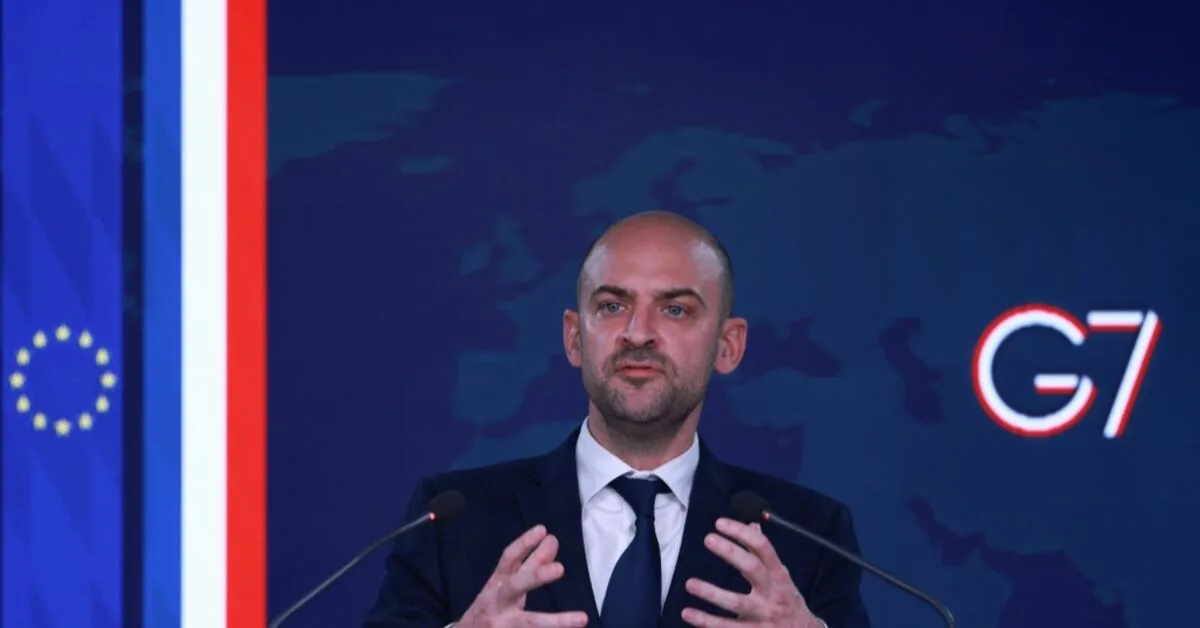
The foreign ministers of the Group of Seven (G7) emphasized the necessity of preventing a security vacuum in Lebanon after the withdrawal of the United Nations peacekeeping forces during a meeting held on Tuesday in Paris. Jean-Noël Barrot, the French foreign minister, stated at the meeting: "We reached a consensus on the need to move quickly towards a new security structure."
Challenges Facing Lebanon
Barrot also acknowledged that no progress has been made regarding the succession of the United Nations Interim Force in Lebanon (UNIFIL), which has been stationed in the country since 1978 and includes about 7,500 personnel from nearly 50 countries. Under pressure from the United States, the United Nations Security Council decided last year to end the UNIFIL mission on December 31, 2026.
Read more: Public opinion in the U.S. calls for an end to the war with Iran by the new Congress
Impact of Conflicts on Lebanon's Security
The militant group Hezbollah has dragged Lebanon into a wider war in the Middle East. This group has responded to Israeli attacks, which have led to extensive airstrikes and a ground invasion by Israel into Lebanon, reportedly killing over 4,300 people. Barrot stated: "I hope we can reach a consensus. Our common goal includes the withdrawal of Israel from southern Lebanon, the disarmament of Hezbollah, and the restoration of a strong government that has control over the use of weapons."
Proposals for Lebanon's Future Security
Isabel Caillas, the European Union's foreign policy chief, announced in October that the EU supports a United Nations peacekeeping mission in southern Lebanon. U.S. Secretary of State Marco Rubio also emphasized on Monday in a conversation with Emmanuel Macron, the President of France, that the succession for UNIFIL may require a civilian mission.
Rubio stated: "We need a verification system that is trusted by all, and both sides must adhere to their commitments under existing agreements." One of the available options is a transitional mechanism using UNIFIL forces, which may require a United Nations Security Council resolution that could face a veto from the United States.
Meanwhile, Europeans have proposed the establishment of an international military coalition to support the Lebanese armed forces in the disarmament mission of Hezbollah. These proposals and developments seem to contribute to the establishment of a sustainable security structure in Lebanon.
Read more: Zelensky: Ukraine's battlefield successes strengthen Kyiv's position in negotiations · Russia and Ukraine show flexibility in Abu Dhabi negotiations over land exchange