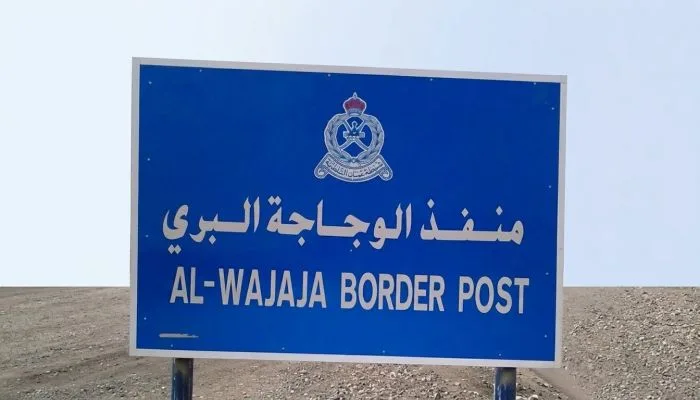
Hassan bin Mohsen Al-Sharqi, the Inspector General of Police and Customs in Oman, officially issued a decree to establish free markets at three key border points in the country. These markets include Al-Wajjah Outlet, Khatmah Malha Outlet, and Al-Rub' Al-Khali Outlet. The aim of this action is to strengthen and accelerate economic and commercial movement in Oman, as well as to increase the country's attractiveness for tourists and travelers.
Objectives and Benefits of Free Markets
The establishment of these free markets allows travelers to purchase products and goods at competitive prices without paying customs duties and taxes. This can significantly contribute to increasing trade volume and facilitating the buying and selling process at the borders.
Read more: Jindal Steel Oman and Oman Cement Company Signed a Strategic Cooperation
Furthermore, free markets will also help enhance the tourism industry and improve logistical infrastructure in Oman. By creating these facilities, travelers can have a diverse and quality shopping experience during their journey, which will ultimately lead to an improved overall travel experience in Oman.
Economic and Social Implications
The establishment of free markets in Oman will not only help improve the country's economic situation but may also have positive social impacts. With the increase in tourism volume and the facilitation of buying and selling goods, new job opportunities will be created, which can help reduce the unemployment rate in the region.
Additionally, this action may also attract both foreign and domestic investors, as free markets are recognized as economic attractors. Given Oman's geographical location and easy access to global markets, the country can become a commercial and tourism hub in the region.
Read more: Oman's Ministry of Commerce Explained Trademark Compliance Regulations · Canada is Sending 300 Business Delegates to India