Afsaneh Aqila, the commander of the women's Basij unit in Mehrestan County, was killed in a violent incident. This event, which occurred on Wednesday in Sistan and Baluchestan province, once again highlights serious security deficiencies in this region of the country.
Details of the Incident
According to reports, Aqila was shot in front of her home and killed. Iranian state media have not provided further details about this incident or its perpetrators. This murder is considered one of the latest signs of the security crisis in southeastern Iran, where unrest and violence have increased in recent years.
Read more: Iran is increasing attacks on ships in the Strait of Hormuz by changing tactics
The Role of the Basij and the Status of Women
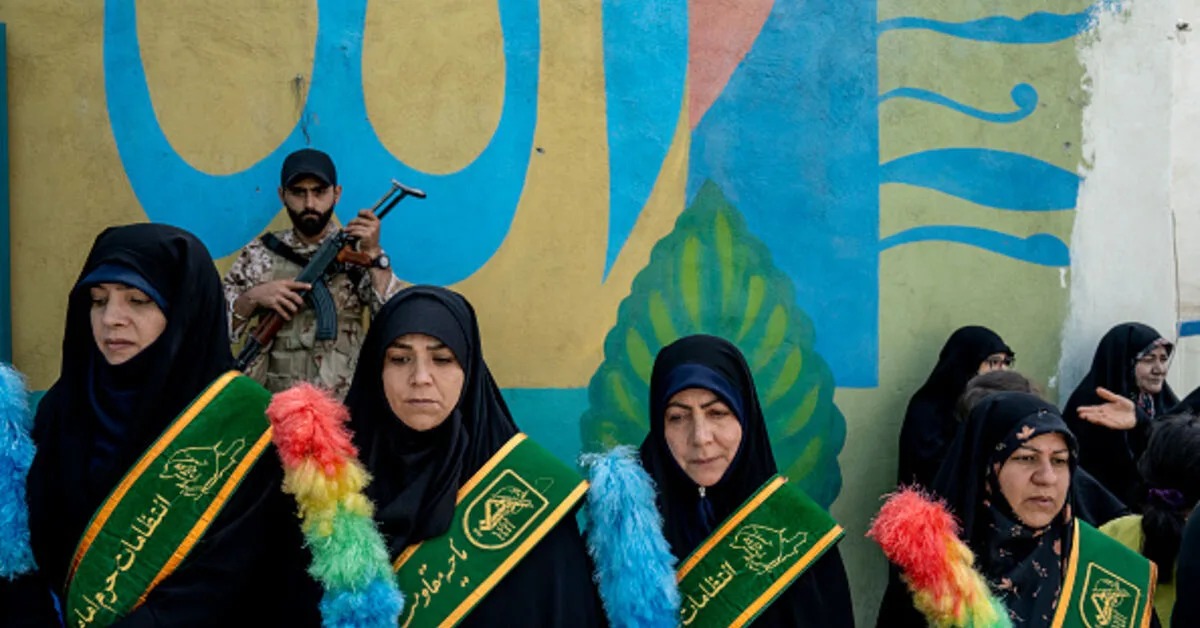
The Basij is a volunteer paramilitary force under the supervision of the Islamic Revolutionary Guard Corps, tasked with suppressing dissent and supporting the Islamic Republic of Iran. Women in this organization not only participate in pro-government demonstrations but also receive training in the use of weapons. The murder of Aqila, who was a key figure in the women's Basij, is not only a human tragedy but may also have profound effects on the activities of the Basij and the security status of women within this institution.
This incident and other similar cases raise questions about the safety and security of female activists in Iran and demonstrate that despite efforts to establish a supportive system for women in the Basij, serious dangers still exist. Analysts believe that this murder could serve as a wake-up call for the Iranian government to reconsider its security and social policies.
Security and Social Consequences
The murder of Afsaneh Aqila could have significant security and social repercussions. On one hand, it may increase insecurity among female activists and members of the Basij, and on the other hand, it could likely lead to a decrease in women's participation in social and political activities. This could weaken the role of women in the Basij and consequently in other social spheres.
Ultimately, this incident serves as a serious reminder of the existing security challenges in Iran, especially in border areas. The government must take serious and effective measures to address these threats and protect the lives of citizens, particularly women active in social and military fields.
Read more: The United States government banned attacks on Iran before the midterm elections · The spokesperson for the Iranian Foreign Ministry emphasized realistic dialogue about the security of the Persian Gulf