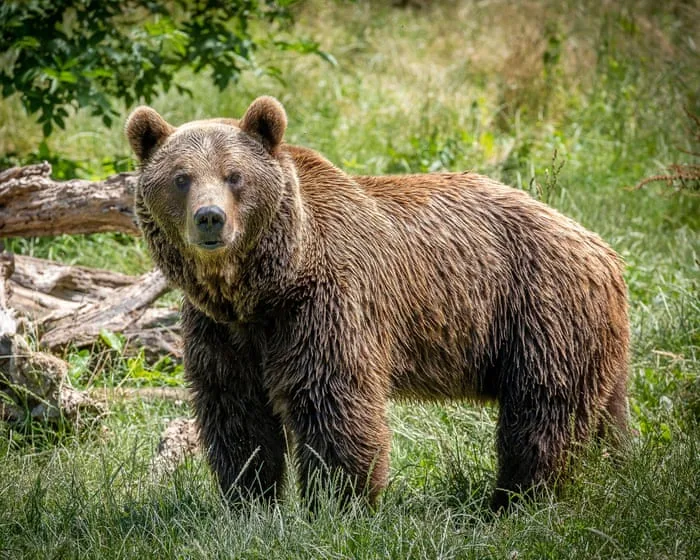
In the heart of the beautiful Asturias mountains, Cantabrian brown bears are slowly returning to their natural world. These bears, which were once on the verge of extinction, now offer a unique opportunity to observe them thanks to environmental efforts and responsible tourism.
A Bitter Yet Hopeful History
In the late 1980s, only a few brown bears were seen around Pola de Somiedo. A mother bear who had lost her paw due to hunting traps and her two cubs, along with two other adult bears, painted a heartbreaking picture of the status of this endangered species. At that time, the overall population of bears in the Cantabrian mountains had dwindled to about 60 bears.
But today, this story has remarkably changed. It is now estimated that the bear population has reached over 500 individuals. Luis Frichila, a nature guide, believes that as long as the number of bears does not reach 1,000, they will still be classified as an endangered species. However, this population increase means that observing these amazing creatures in Somiedo Natural Park, one of Spain's first protected areas, has become easier than ever.
Responsible Tourism and Nature Conservation
Controlled tourism in this area not only helps the local economy but also aids in the conservation of these bears. Visitors can enjoy watching these bears while adhering to environmental principles, thereby helping to preserve their habitat. This bridge between humans and nature itself tells the story of nature's power to restore and revive species.
However, challenges still exist, and the need for awareness and protection of these species is felt more than ever. Can we, as a society, continue to preserve these natural beauties? This is a question whose answer lies in our hands.