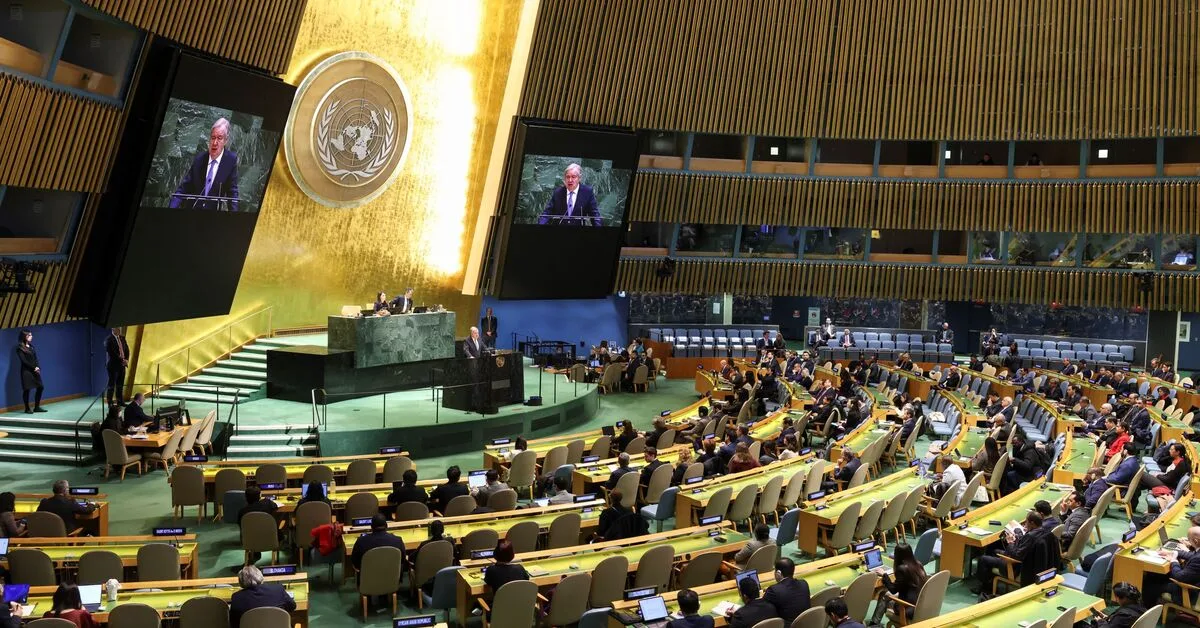
The United Nations General Assembly will be held in New York with the presence of leaders from various countries, including the President of the United States. This assembly takes place at a time when tensions in the Middle East, especially the war in Iran and the intensification of activities by the Houthis in Yemen, have impacted the region.
Key Speeches at the Assembly
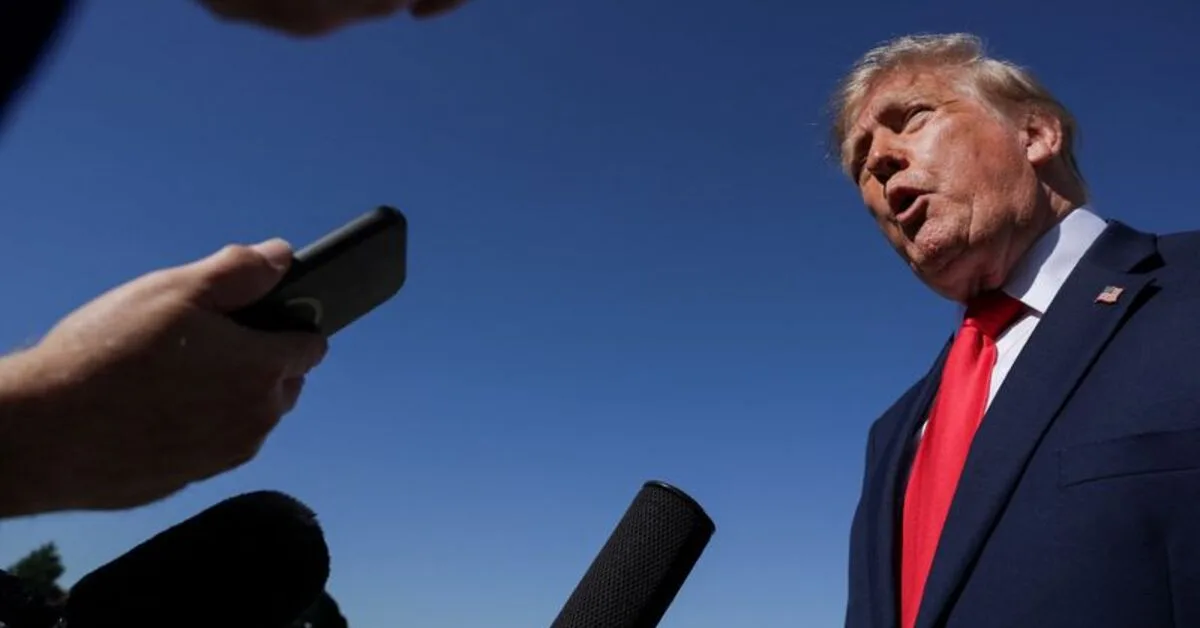
The United States government, led by Donald Trump, which has recently reduced its funding to United Nations organizations, will speak at this assembly on Tuesday. Additionally, leaders from Turkey, Jordan, Qatar, and Egypt will also represent their countries at this important international event.
On Wednesday, the speeches of the President of Iran, Masoud Pezeshkian, and the President of Syria, Ahmad al-Shahrour, are considered two other important speeches. Also, on Thursday, Benjamin Netanyahu, the Prime Minister of Israel, will express his views. The presence of these officials reflects the diversity of perspectives and challenges in the region.
Absence of Key Leaders and Its Consequences
China will not be represented by its President, Xi Jinping, who is scheduled to meet Trump in Washington on Thursday, at this assembly. The absence of key leaders may affect the outcomes of discussions and international agreements and indicate changes in the diplomatic approaches of major countries.
One senior U.S. official said: "This assembly is held in a city that the President loves. The United Nations General Assembly is one of the few places and times where over 150 prime ministers, presidents, and foreign ministers gather simultaneously." This gathering can be an opportunity to address global challenges and crises, of which the Middle East is a part.
Overall, the United Nations General Assembly is viewed as an opportunity for exchanging views and examining the existing crises in the Middle East and other parts of the world. Given the current state of wars and tensions, this assembly is expected to lead to deep and impactful discussions that may influence the future policies of the attending countries.