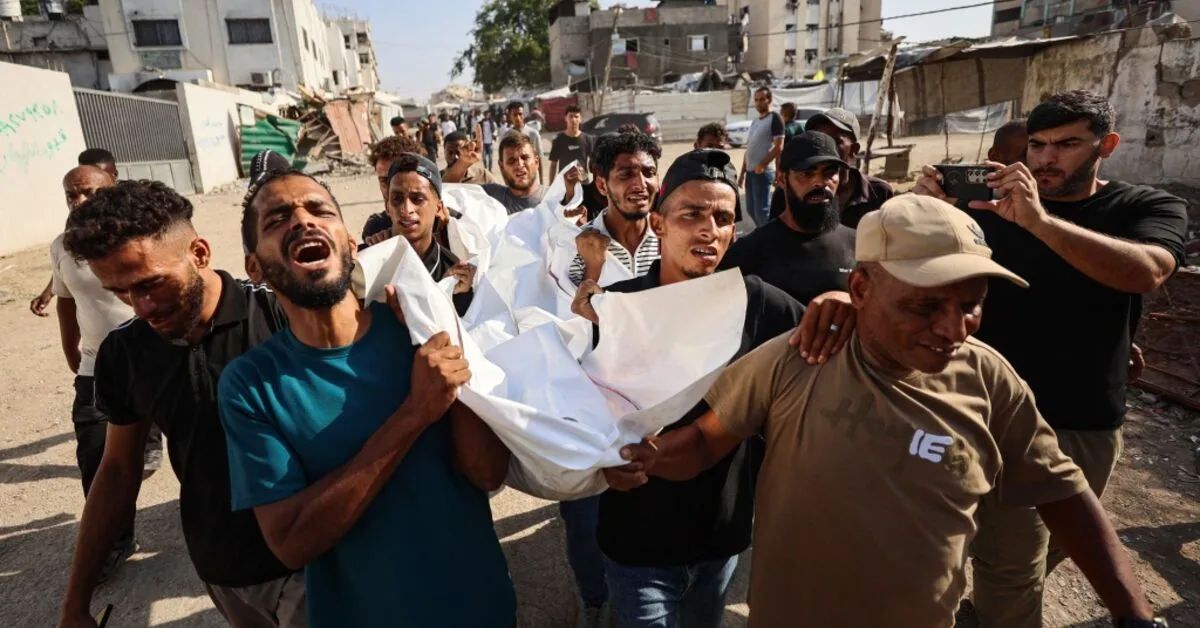
The United Nations, expressing serious concern about the critical situation in the city of Taiz in Yemen, announced that time is running out to send humanitarian aid to this city, which is under pressure due to the Houthi siege. This siege began in early October, and Houthi forces have blocked the communication routes between this city and Aden, the temporary capital of the Yemeni government.
Immediate Need for Humanitarian Aid
The United Nations humanitarian agency (OCHA) has emphasized that safe, sustainable, and unimpeded access to humanitarian aid is critically necessary to deliver essential items and life-saving assistance to those in need. According to Jens Laerke, OCHA spokesperson, "Taiz has been cut off for more than 20 days" and added that the situation is such that war and conflicts are preventing aid from entering and people from leaving.
Water Crisis and Medical Services
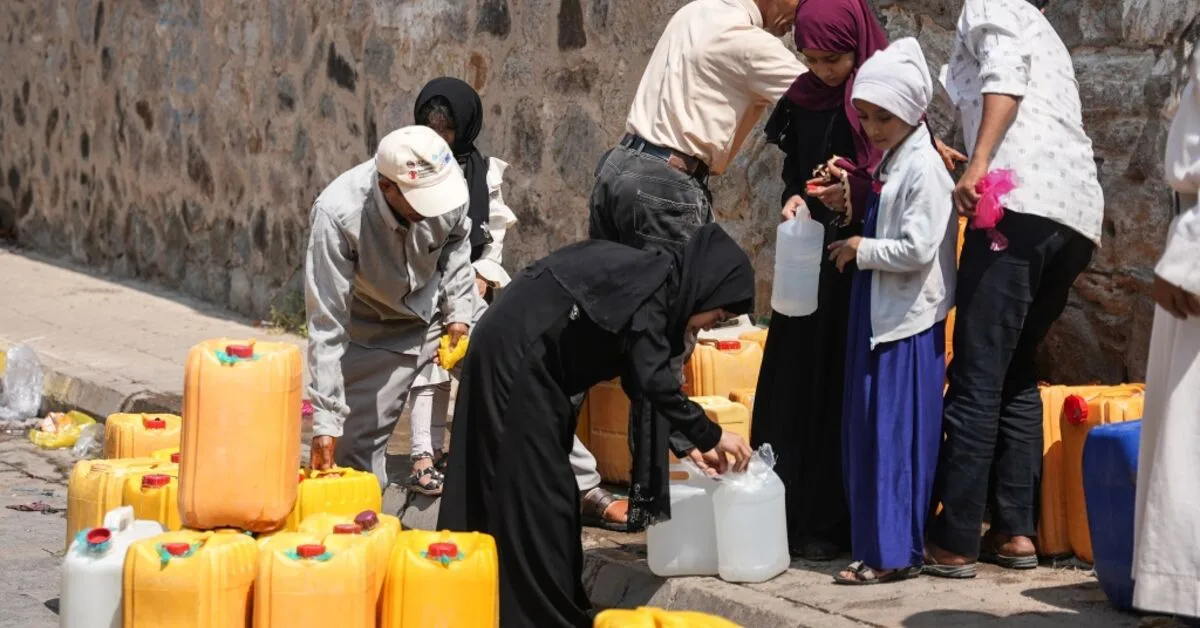
The OCHA spokesperson also expressed concerns about the decreasing water resources in Taiz, as most residents rely on water delivered by trucks. With roads closed and a shortage of fuel for trucks, water production in this city has significantly decreased, and the cost of delivered water has nearly tripled. This situation has impacted the daily lives of people and made conditions unbearable for them.
Additionally, the World Health Organization has announced that hospitals in Taiz province are facing severe shortages of fuel, oxygen, medicine, and medical supplies. "Hospital services have been severely disrupted, and stocks have dangerously decreased. Urgent actions are necessary to maintain life-saving services for thousands of patients," said Christian Lindmeier, spokesperson for the organization.
In Taiz, 42 health centers have reported severe shortages of resources, which affects oxygen production, emergency transport, and the cold chain for vaccines. UNICEF has also stated that over 168,000 children in Taiz have been assessed this year, with more than 52,000 of them severely malnourished.
The situation of malnutrition in this area has been described as extremely concerning, and it seems that this crisis is worsening. UNICEF spokesperson Ricardo Pires has termed this situation as "very concerning" and emphasized that addressing the basic needs of the people in this city must be done as soon as possible.