On Tuesday, the United States conducted limited attacks on Qeshm Island in the Strait of Hormuz. These attacks followed reports from Iranian media of five explosions in the area. Qeshm Island plays a significant role as a strategic point in the waters of Hormuz and a center of tensions in the Middle East.
Details of the Attacks and Reactions
The reported attacks have been described as defensive, and anonymous American sources have indicated that this action is part of several recent unexpected attacks. American officials have not publicly announced these attacks to prevent the perception that Washington intends to resume large-scale military operations. The United States Central Command has also remained silent in response to requests for immediate comment.
Read more: Iranian negotiators in Doha for Qatar mediation talks
Political and Diplomatic Developments
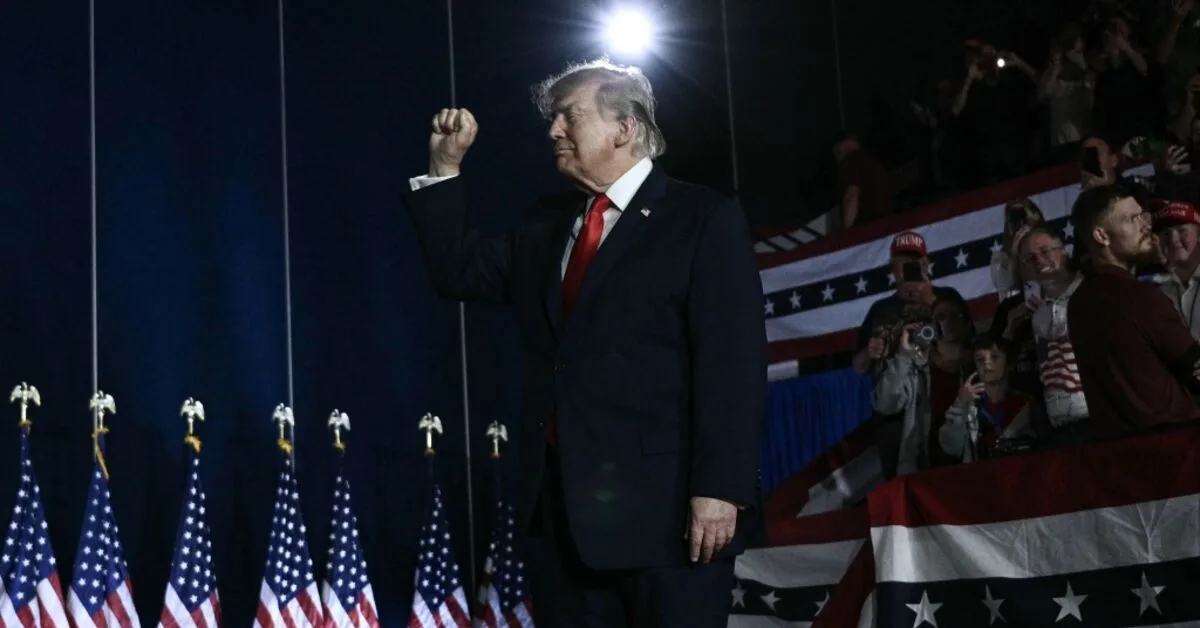
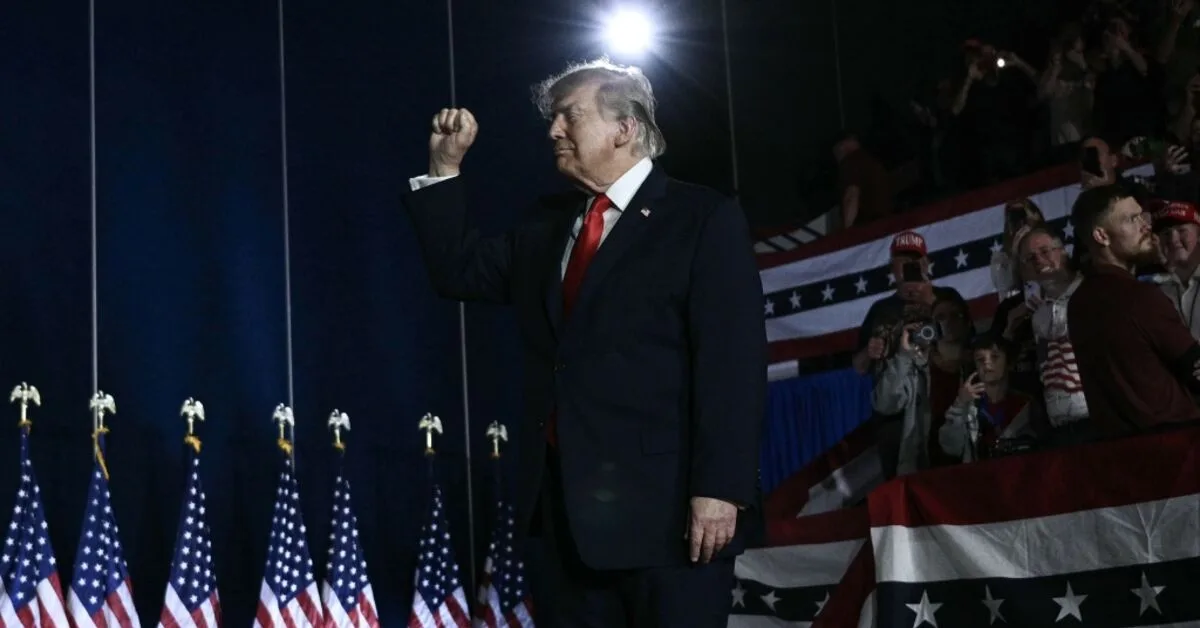
These attacks come as President Donald Trump stated in a message on his social media that "Iran wants a deal that could happen soon." These remarks come as American voters prepare to participate in the midterm elections, with public dissatisfaction over the war and rising prices being major issues in this election.
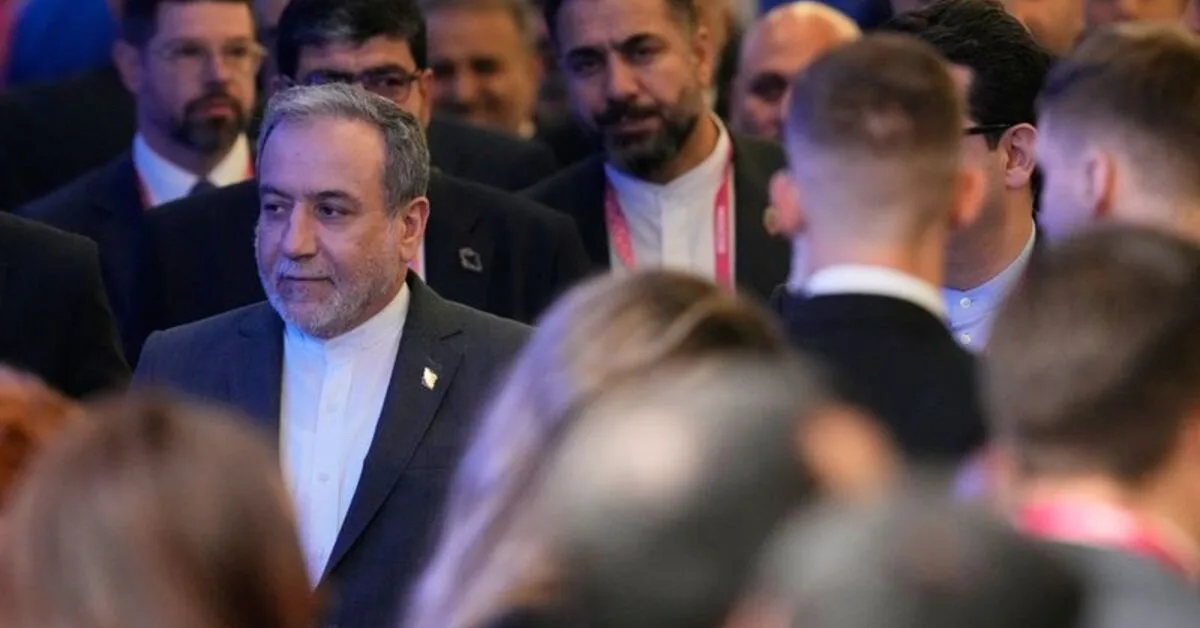
Additionally, Iran's Foreign Minister, Abbas Araghchi, announced the establishment of indirect negotiations with the United States, stating that "given the sensitivity and importance of the current situation, consultations and reviews are being conducted very intensively." Furthermore, Mohammad Baqer Qalibaf, Iran's chief negotiator in talks with the United States, announced that Iran is ready to reopen the Strait of Hormuz within two days if Washington agrees to its demands.
Economic Consequences
Oil prices have also dropped by more than seven percent following these developments, indicating optimism about the end of the recent eight-month war. U.S. Vice President, J.D. Vance, expressed hope that an agreement would be reached soon, saying, "We have certainly made progress. We will see if we can move further." Additionally, China has called for a return to diplomacy, and Iran and Saudi Arabia have held talks in Beijing.
These developments are particularly significant as Iran has threatened a broad response if the war resumes. Iranian officials have also arranged for a large banner in central Tehran with a threatening message directed at the President of the United States.
Read more: The public session of the Islamic Consultative Assembly chaired by Ali Nikzad has begun · Seyed Abbas Araghchi: Iran has no hostility towards the countries of the Gulf Cooperation Council