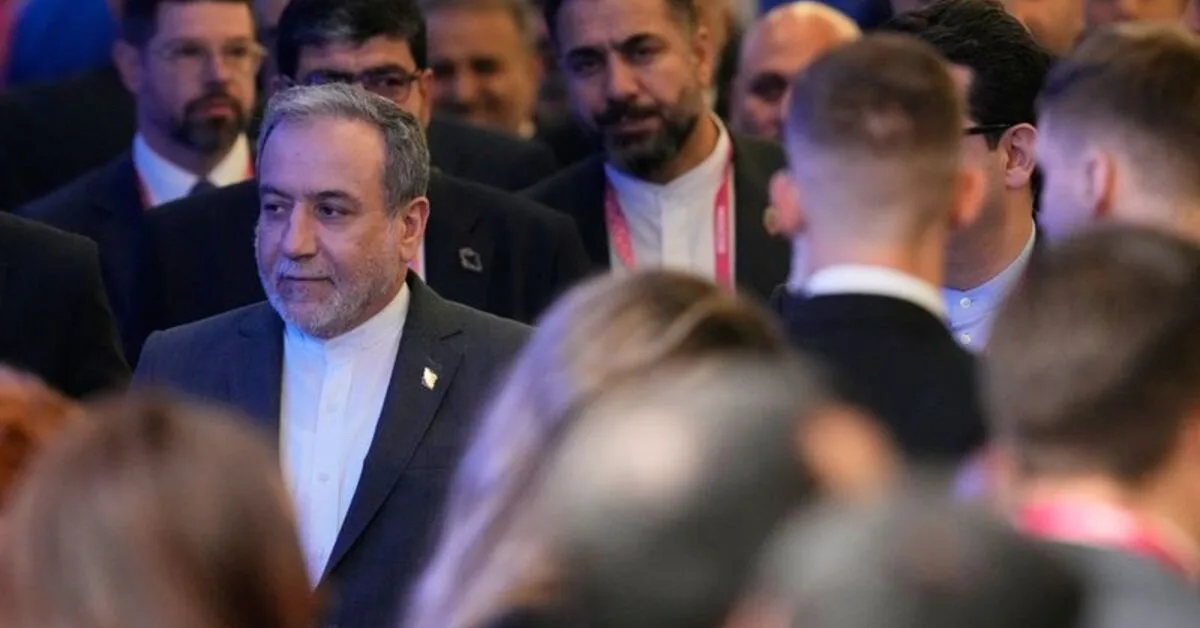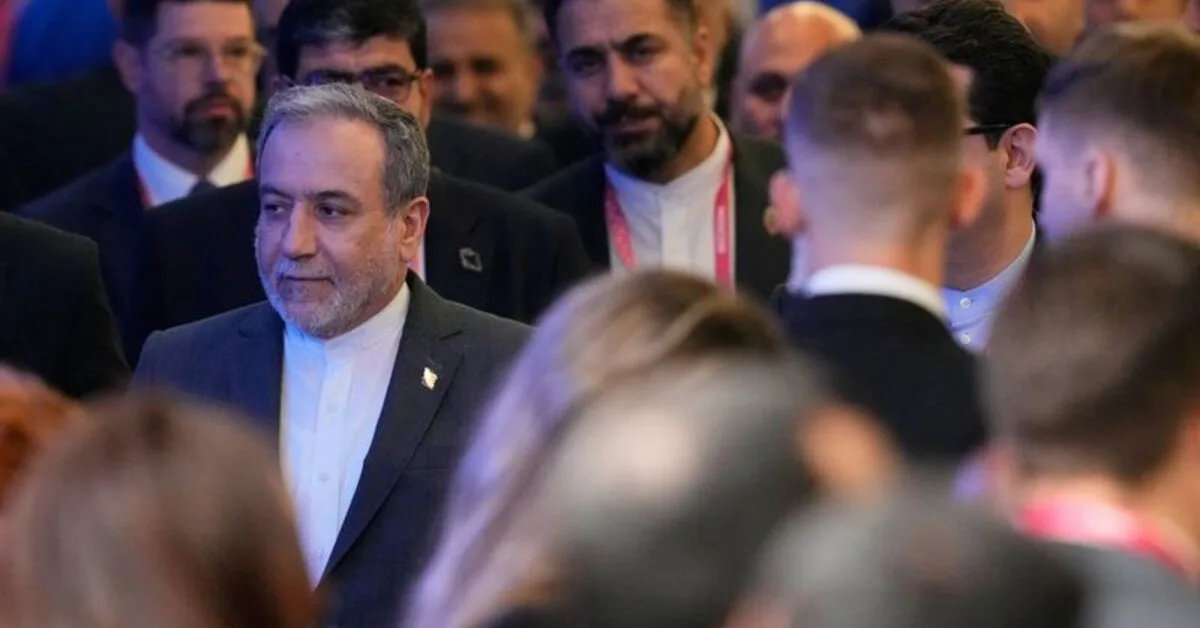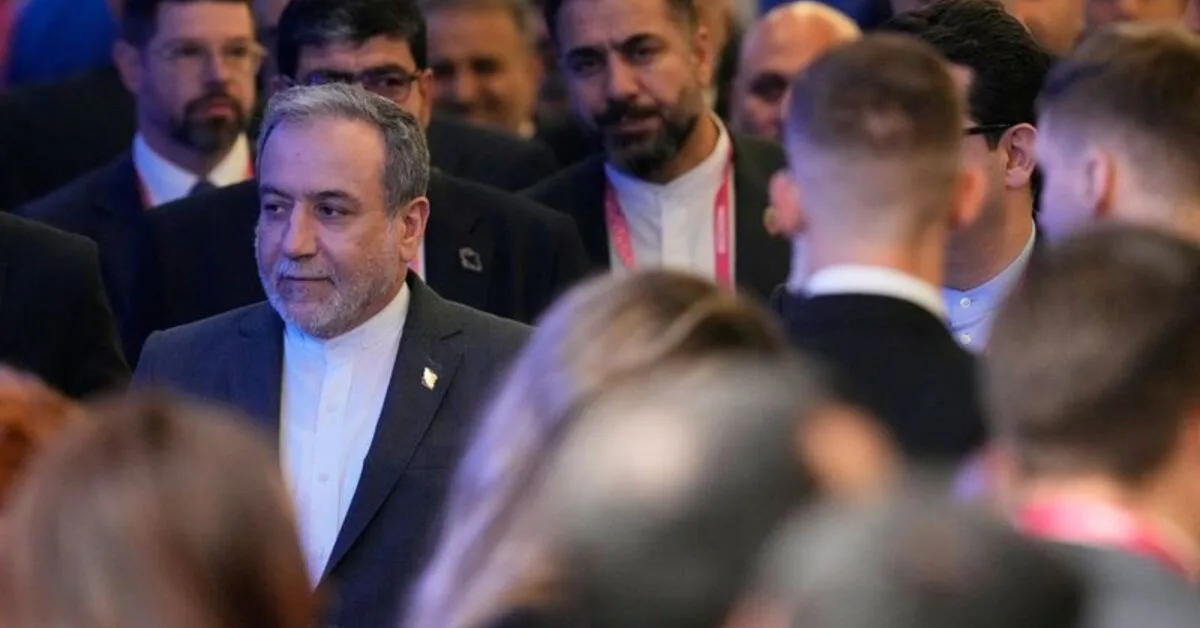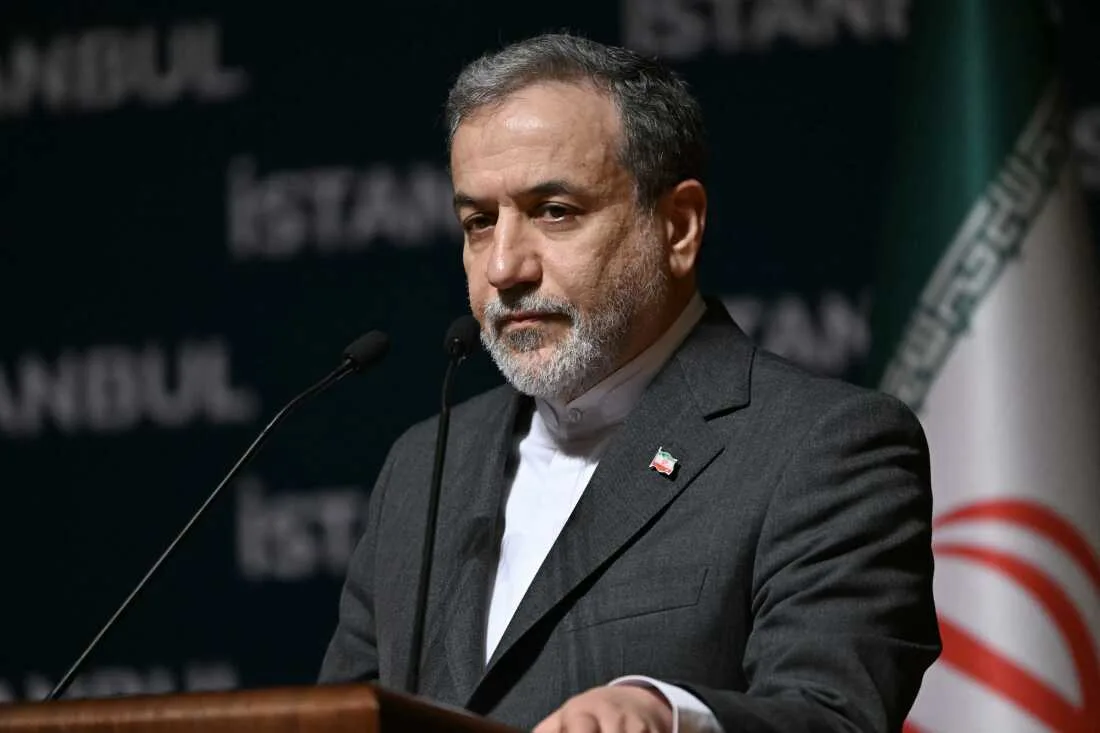
Iranian negotiators have traveled to Doha to engage in Qatar's mediation talks aimed at ending the war between Iran and the United States. These negotiations follow over twelve hours of discussions in Tehran and represent a shift in the diplomatic approach between the two countries.
Mediation Talks and Iran's Response
Iran's Foreign Minister, Abbas Araghchi, has emphasized that Tehran has responded positively to a letter sent by U.S. Vice President, J.D. Vance, considering it a positive step towards opening dialogue. Araghchi has also confirmed that an Iranian delegation has gone to Doha to continue negotiations, and he is currently consulting with his colleagues in Qatar.
Read more: Islamic Consultative Assembly: Minister of Economy Received a Yellow Card
Araghchi stated that discussions regarding Iran's conditions for reaching an agreement are ongoing, although Tehran does not currently plan to meet directly with U.S. officials. He said, "We do not see a need to meet with the Americans at this stage. Our conditions are clear, and the mediators are continuing consultations on this matter."
Iran's Conditions and Requests
Araghchi also referred to progress regarding the proposed timeline for reopening the Strait of Hormuz, which is one of the key topics in the negotiations. According to him, Qatar initially proposed reducing the implementation period of Iran's plan to five days, which was later shortened to two days after further discussions.
Qatari and Pakistani mediators are also examining Iran's requests, which include the lifting of sanctions, the release of frozen Iranian funds, and a reduction of U.S. military forces in the region. Iran is also seeking to identify maritime transport routes through the Strait of Hormuz, which has been discussed with Oman.
Recent experiences show that diplomatic trips and ongoing discussions can help reduce tensions and bring the two sides' views closer together. Tom Barak, the U.S. Ambassador to Turkey and Washington's special representative in Syria and Iraq, has expressed optimism that significant diplomatic progress may be made in the next two weeks, stating, "We are close and reaching a point where we can say: let's take a break."
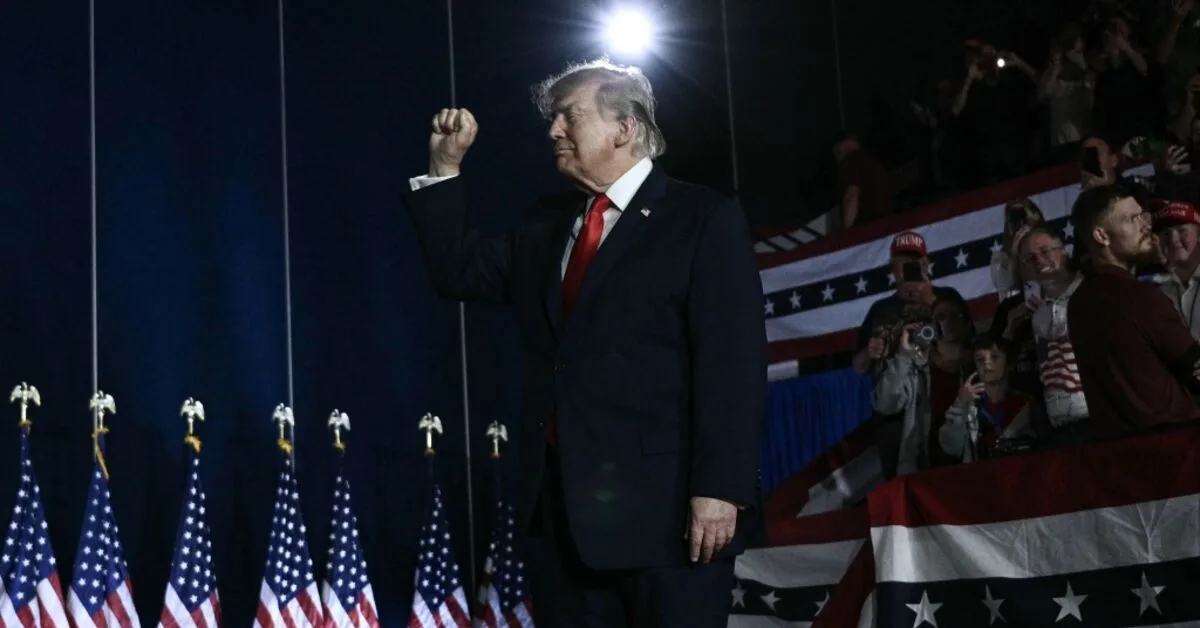
Mohammad Baqer Qalibaf, the Speaker of the Iranian Parliament who leads the negotiations with Washington, has also noted that progress in the talks depends on the acceptance of Tehran's seven conditions by the United States. These diplomatic activities come ahead of the U.S. midterm elections on Tuesday, raising concerns about Washington's next steps.
Reports indicate that the families of American diplomats are quietly leaving the region, while residents of Saudi Arabia and the United Arab Emirates are concerned about potential interruptions in travel and business. Despite the diplomatic progress, Araghchi has emphasized that Iran is prepared for any renewed attacks, stating, "We are ready for all scenarios," and added that Tehran has updated its weapons and addressed its military vulnerabilities.
Read more: Iran's Islamic Consultative Assembly Schedule for Next Week · Pakistan's Army Optimistic About Mediation Between Iran and the U.S.