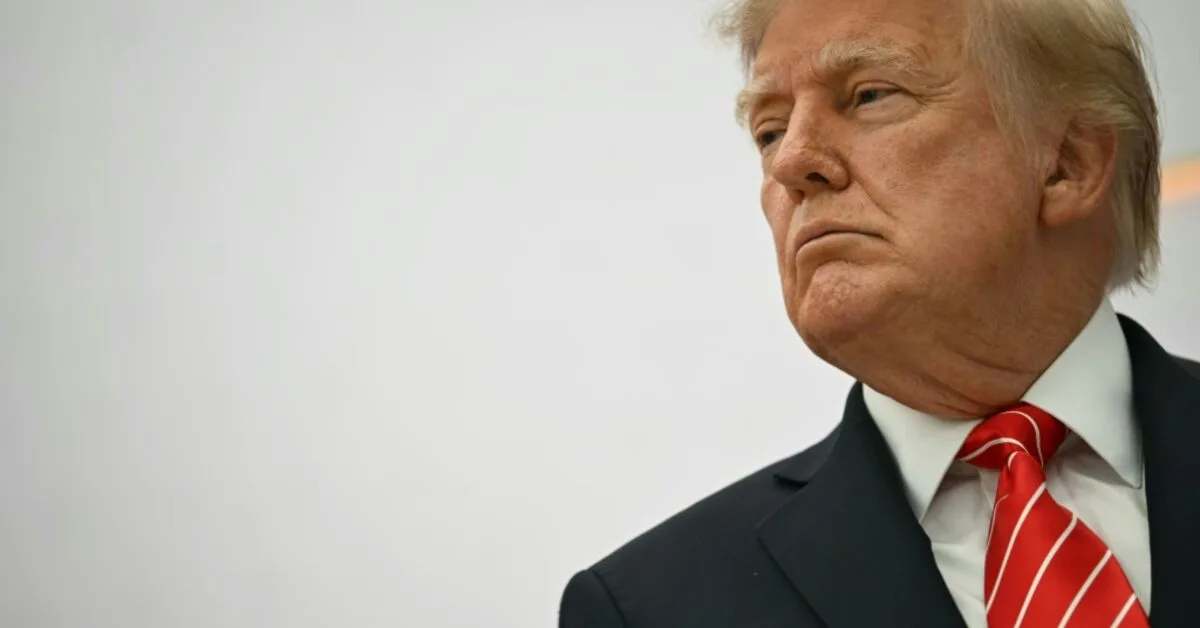
The government of Donald Trump, President of the United States, announced on Thursday that no attack on Iran is planned before the midterm elections on November 3. Trump stated on his platform that Washington is engaging in "constructive talks" with Tehran.
Constructive Talks with Iran
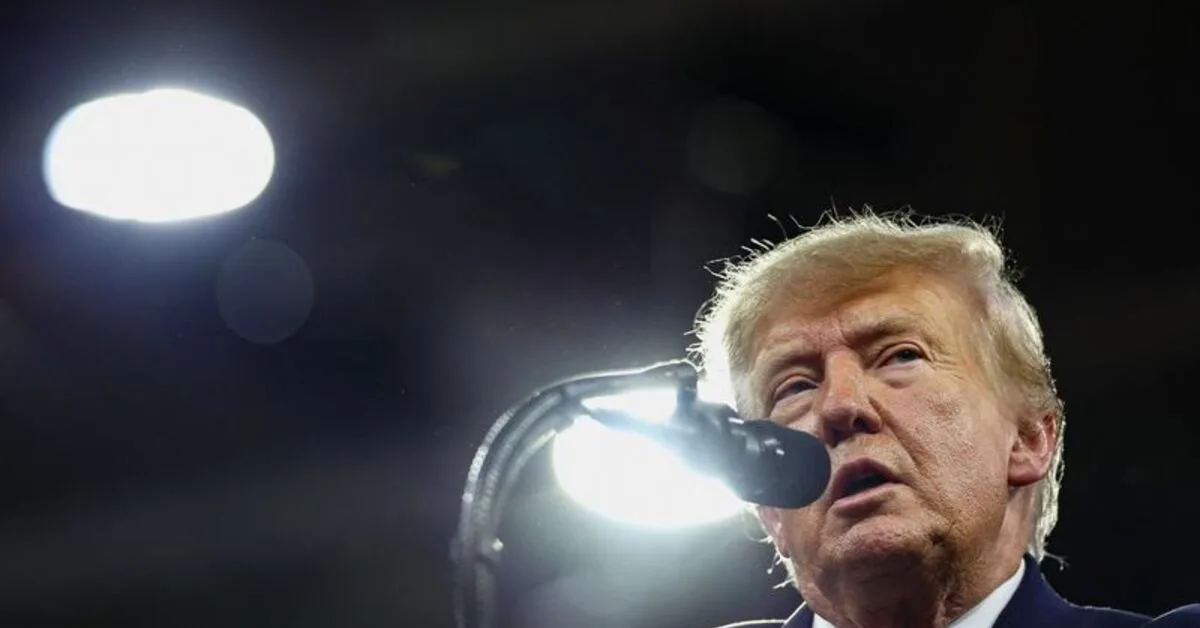
Trump wrote on his social media: "I want to be clear to everyone that while Iran is in a very bad situation, both economically and militarily, and while the blockade will remain in place, we will not attack Iran at all before the midterm elections." These remarks came following rising oil prices due to media reports about the possibility of new U.S. attacks before the elections.
Read more: Meeting of the Indian Ambassador in Tehran with Kazem Gharibabadi to Strengthen Bilateral Relations
The Atlantic magazine reported on Wednesday that the White House has asked the Pentagon to develop options for attacking Iranian targets that could be used before the elections. However, The New York Times also reported that these plans are being developed while Trump has "uncertainty" about this action.
Impacts on Oil Market and Regional Tensions
The increase in crude oil prices is also due to ongoing tensions in the Strait of Hormuz, a key point for global oil trade, as well as hostilities between Iran-backed Houthis in Yemen and Saudi Arabia. Polls indicate that American voters are highly dissatisfied with rising fuel prices, which have increased since the U.S. and Israeli attacks on Iran on February 28.
The price of North Sea Brent crude, which is the international benchmark, rose to $105.88 per barrel on Thursday before falling to $104.28.
Meanwhile, Vladimir Putin, President of Russia, promised on Thursday during a meeting with his Iranian counterpart, Masoud Pezeshkpour, that he would do "everything" to end the war in the Middle East. He stated after arriving in Turkmenistan for a Commonwealth of Independent States (CIS) summit: "We are ready to do everything we can to help resolve this situation." Putin also referred to Iran's genuine efforts to end the war.
Iran's Reactions and Challenges Ahead
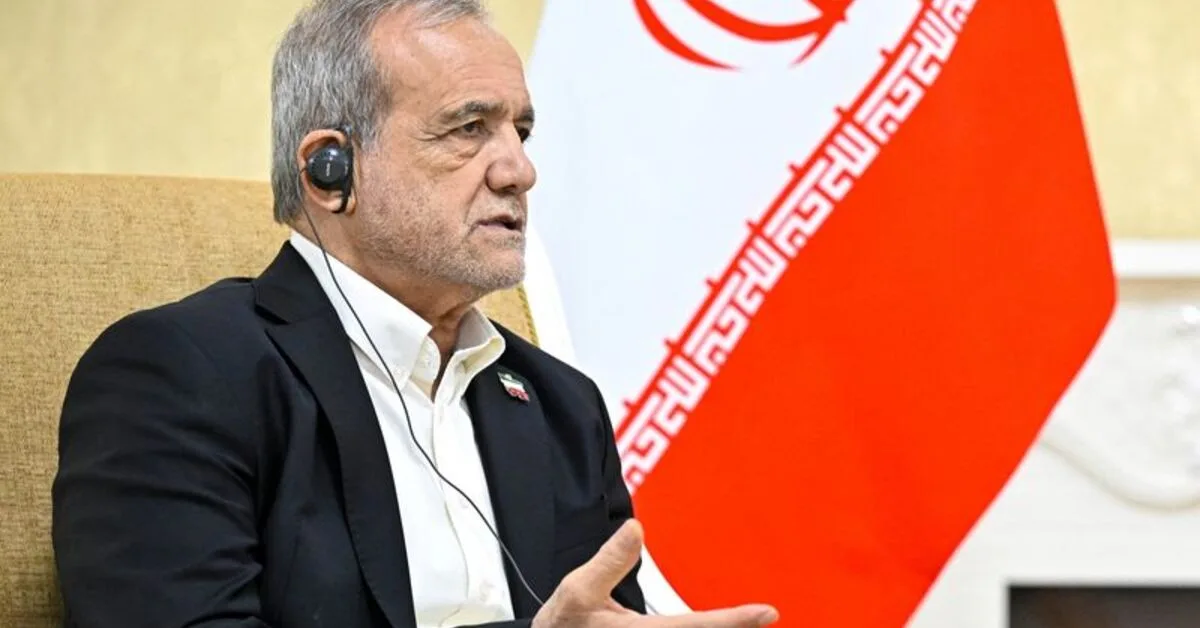
Masoud Pezeshkpour, President of Iran, emphasized during his meeting with Putin that Tehran is "in talks, but every time we negotiate with the United States, they attack again." He called for the establishment of a "final framework" to end the war and accused the United States of trying to impose its policies and views on all countries.
Pezeshkpour stressed: "If the United States seeks to continue its unilateral approach, no solution will be possible." While the midterm elections could shape the last two years of Trump's presidency, he is trying to mitigate political damage by holding numerous rallies.
Trump also attempted on Thursday to clarify the controversy surrounding his recent remarks at a rally about the possibility of an "attack" by Iran on the cities of Los Angeles and San Diego. He explained that his comments referred to the temporary increase in gasoline prices as a small price to pay to prevent Iran from acquiring nuclear weapons.
Read more: U.S. Vice President's Comments on Iran and Nuclear Program · Putin Promises Help to Iran to End Middle East War