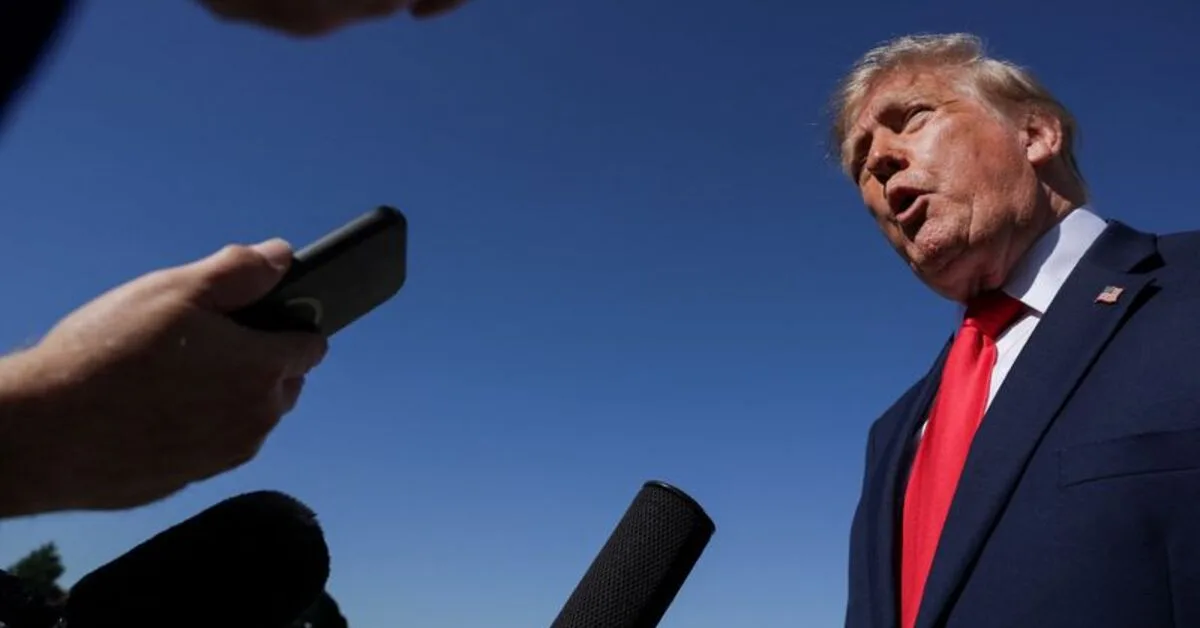
The U.S. Congress, on Thursday, voted 50 to 49 to reject a resolution seeking to halt the war with Iran until Congress grants the necessary authorization. This action came amid rising tensions between the United States and Iran and reflects deep partisan divides over foreign policy.
Background and Objectives of the Resolution
This resolution, introduced by Democrats, aimed to limit President Donald Trump's power to initiate war with Iran. It was a response to Trump's decisions in recent years, particularly regarding the U.S. withdrawal from the nuclear agreement and military actions against Iran. Democrats believe that no president should have the sole authority to start a war, and this matter should be left to Congress.
Voting and Its Results
The recent vote in the Senate was largely along party lines. Most Republicans voted against the resolution, while nearly all Democrats voted in favor. This division reflects the political challenges within Congress and growing concerns about war and peace in the Middle East. Given the results of this vote, Trump has managed to maintain some degree of autonomy in his war policies.
This decision, in addition to its domestic implications, may also impact U.S.-Iran relations. Republicans generally favor more hardline strategies against Iran, and this vote could lead to increased tensions in the future. Meanwhile, Democrats are seeking to enhance congressional oversight of the president's military activities in this regard.
Political and Diplomatic Consequences
This Senate vote could have serious implications for U.S. foreign policy, particularly in the Middle East. Given that tensions between the United States and Iran remain high, this decision could lead to increased dissatisfaction among Democrats and even some Republicans. Additionally, this action could intensify criticisms of Trump and his policies regarding Iran.
Overall, the results of this vote clearly highlight the existing challenges in U.S. foreign policy and the growing concerns about war and peace in the Middle East. However, whether these developments will lead to significant changes in U.S. policies remains uncertain.
Read more: Meeting of the Foreign Ministers of Ukraine and Iran in New York · Iranian officials emphasized diplomacy against the United States