The United States government, led by Donald Trump, assessed the likelihood of renewed conflicts with Iran as "significantly low." Trump stated this in an interview with CNN before his meeting with Sheikh Mohammed bin Abdulrahman Al Thani, the Prime Minister of Qatar, on Monday.
Emphasis on the necessity of a strong agreement
In this interview, Trump stated that his decision regarding the resumption of attacks on Iran "depends on whether they sign a very strong agreement or not." He added: "If necessary, I will do it, but we have really hit them hard. You don't know how hard we have hit them."
Read more: Iran and Russia in the meeting of Mohammad Reza Raeisi and Vladimir Putin
Consequences of the midterm elections
This meeting with the Prime Minister of Qatar is Trump's first meeting with a foreign leader after the Republican Party's significant loss in the midterm elections. Abbas Araghchi, Iran's Foreign Minister, announced on Sunday that peace negotiations have been halted due to the political consequences of these elections.
Araghchi stated: "In the past few days, no other trips (by mediators) have taken place, and the reason is the shock that the results of the U.S. elections have caused for everyone." He added that it remains to be seen how long it will take for them to digest these results and how negotiations will proceed.
Trump also pointed out that the undesirable war with Iran, which began with U.S. and Israeli attacks in late February, has been partially responsible for the Republican defeat. Araghchi stated on Monday that the U.S. President is clearly aware of the fact that the majority of the American people are dissatisfied with Israel.
On the other hand, in his interview on Sunday, Trump reiterated that economic pressure on Iran will force the leadership of that country to accept U.S. conditions. He said: "They are a declining country. You know that this year, the inflation rate has been 301 percent. We have hit them militarily and can destroy them." While Iran's official statistics report the inflation rate at nearly 90 percent in September.
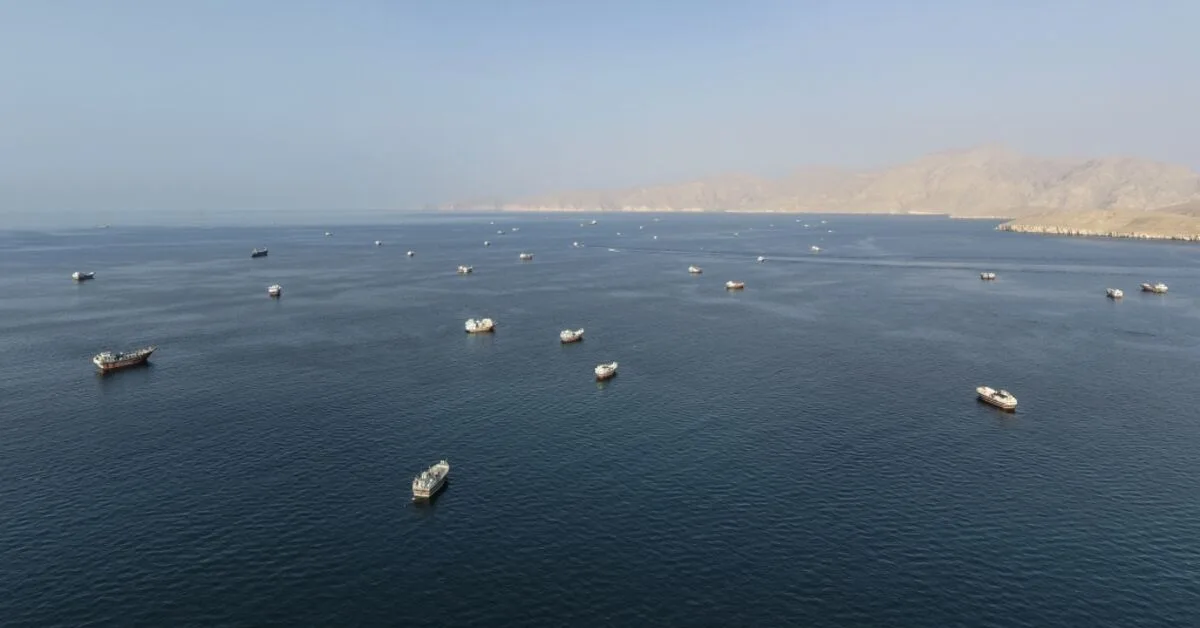
Despite the reduction in conflicts, Iran continues its efforts to blockade the Strait of Hormuz, which is vital for global energy supply, and the U.S. Navy has also established a reciprocal blockade on Iranian ports.
Read more: Start of a new round of limited military attacks by the U.S. on Iran · Iran and the U.S.; the Persian Gulf on the path to regional cooperation