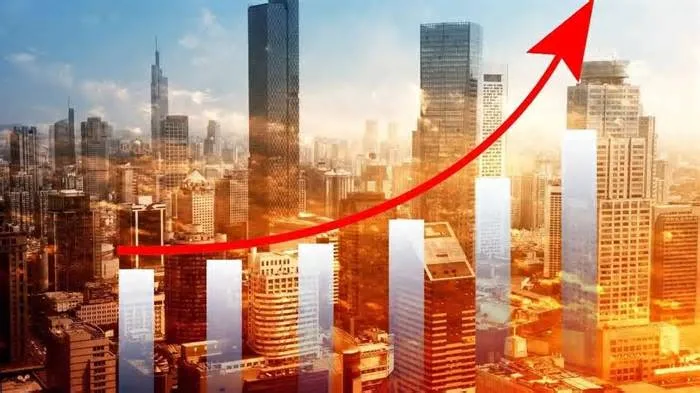
Economic developments in the global arena indicate significant changes in the list of the wealthiest countries in the world over the past two decades. Analyzing per capita GDP data based on purchasing power parity clearly reveals the impact of factors such as financial services, advanced industries, and international trade on these changes.
Changes at the Top of the Table
In 2006, Liechtenstein topped this table with a per capita GDP of $112,499. Following that, Luxembourg, Qatar, and the United Arab Emirates ranked second to fourth, respectively. Among them, oil-rich Gulf countries and small financial centers held a significant share of the top positions.
Read more: Jordan received the presidency of the Arab General Union for Insurance from Oman
However, the changes over the past two decades indicate that some countries have managed to significantly elevate their positions. Singapore, as a prominent example, has become one of the major economic centers in the world by developing competitive industries in various fields, and it is expected that its per capita GDP will reach $173,708 by 2026.
Emergence of New Countries
Among the most significant changes is the emergence of Guyana among the economies with the highest per capita GDP. This country, which began oil extraction in December 2019, has significantly changed its economic structure with increased offshore oil production and is expected to rank eleventh in the world with a per capita GDP of $95,477 by 2026.
Significant changes are also observed among the Gulf countries. Qatar, which ranked third in the world in 2006 with a per capita GDP of $86,252, is expected to rank seventh in 2026 with $112,312. Meanwhile, the United Arab Emirates has dropped from fourth to fourteenth place, even though its per capita GDP has increased to $87,774.
This trend indicates that the concept of the wealthiest countries is not solely dependent on national economy size but also relates to the amount of economic output per person. Ultimately, a high per capita income can provide greater capacity for investment in infrastructure and economic development.
Read more: Cooperation of Gulf Arab countries to diversify energy export routes · 5.1% growth in Oman's GDP in the second quarter of 2026