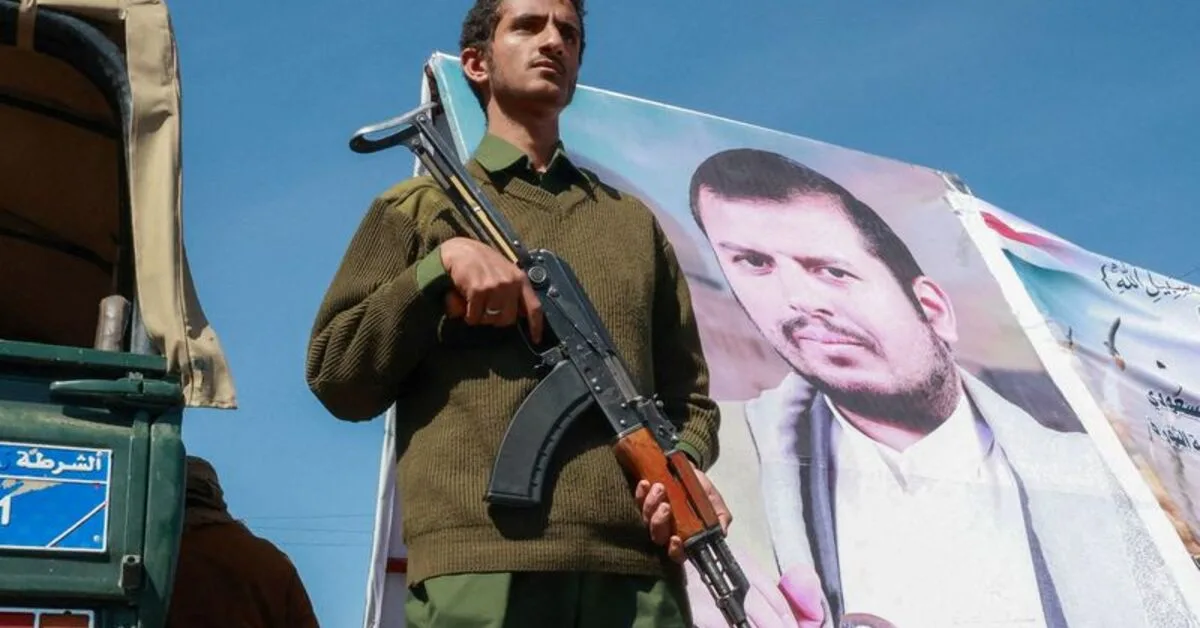
Riyadh, October 8 - Following the escalation of Houthi attacks, the capital of Saudi Arabia, Riyadh, has experienced explosions that have caused flight disruptions and recommendations for some employees to work from home. The Houthis have announced that they fired a ballistic missile towards Riyadh airport and threatened to close Saudi airspace, thereby intensifying tensions in the region.
Security and Military Implications
This development comes as Saudi Arabia continues to support the internationally recognized Yemeni government forces. Ongoing conflicts in Yemen have led to a widespread humanitarian crisis, and in recent weeks, the Houthis have succeeded in capturing parts of the Red Sea coast. This conflict, which has somewhat turned into a proxy war between Iran and the United States, has significantly impacted regional security.
Saudi Arabia is seeking support from its allied countries, including Turkey and Pakistan, to counter the Houthi advances in southwestern Yemen. Requests for this support have surged since Saudi officials announced that three people died in attacks on Riyadh and Abha airports this week.
Economic and Social Impacts
These attacks have significantly negatively impacted economic activities in Riyadh. According to flight tracker FlightRadar24, on Thursday, there were numerous delays in arrivals and departures at King Khalid International Airport in Riyadh. Additionally, several multinational companies based in the King Abdullah financial district have advised their employees to work from home.
Some diplomats have also reported receiving warnings, and some schools in Riyadh have informed parents that orders to stay home have been issued. However, officials have not issued any public warnings regarding this matter.
The Yemen conflict, which had paused with a ceasefire in 2022, has reignited in recent weeks, with the Houthis continuing to seize more areas in Yemen. This situation has led to a humanitarian crisis in one of the poorest Arab countries, displacing 200,000 people since the resumption of hostilities.
Meanwhile, Syrian officials are also exploring military options to support Saudi Arabia, including providing defensive assistance or deploying forces to the battlefield. However, Syria's focus remains on its internal priorities, including post-civil war reconstruction.
This summer, Saudi Arabia signed an agreement with Turkey and Pakistan, under which all three countries committed to defend each other. However, Turkey has yet to ratify this agreement. Turkey has also stated that it is sending primarily defensive and technical support to Saudi Arabia.
As tensions rise, Saudi Arabia hopes that with the help of its allies, it can confront the threats posed by the Houthis and ensure regional security.