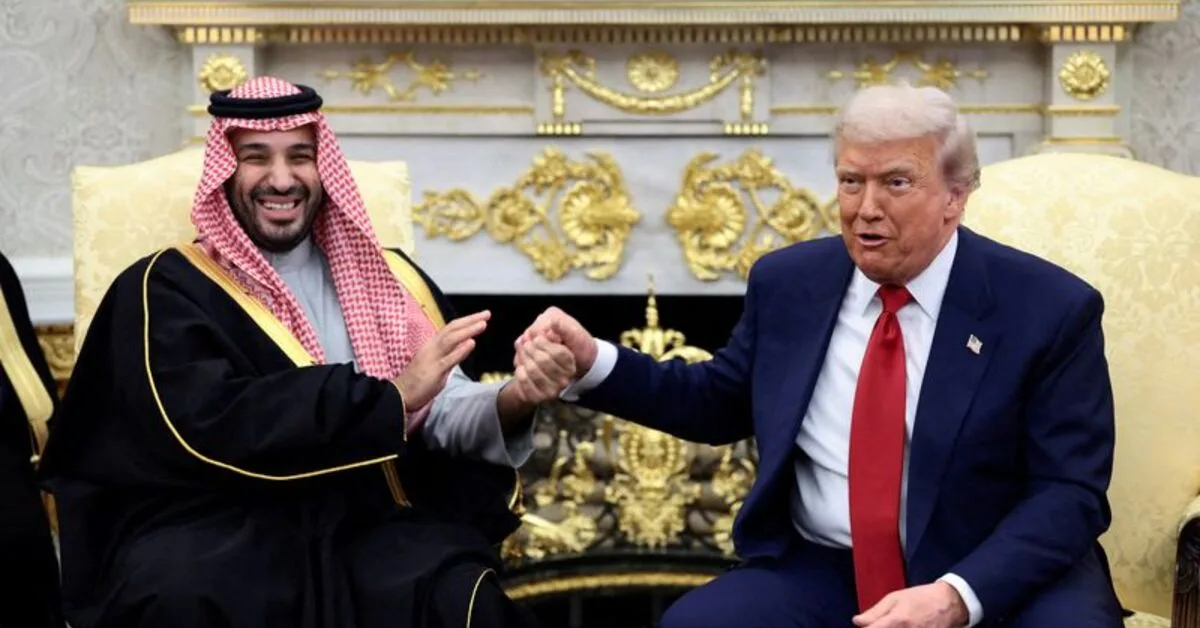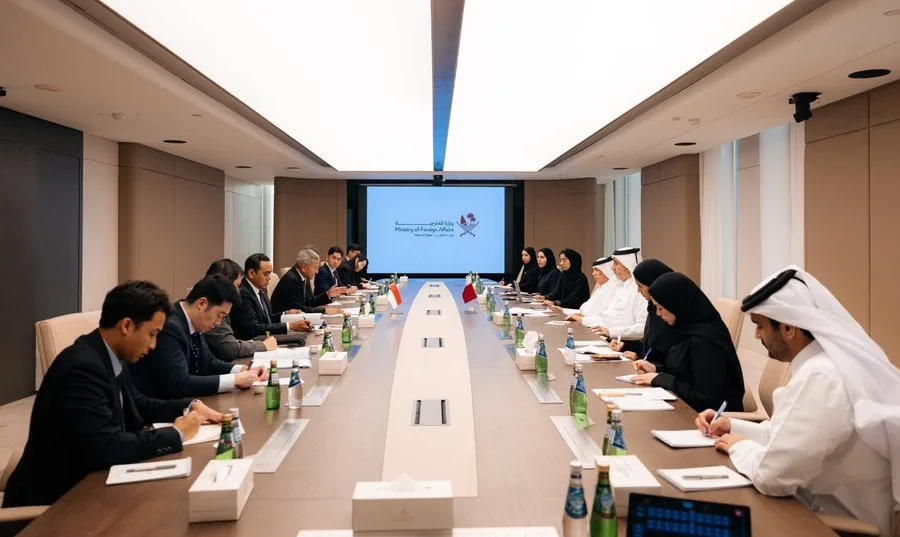
The Donald Trump administration is coordinating to hold a meeting with Arab leaders to discuss the situation in Iran and post-war strategies. This meeting, which will specifically focus on U.S. ideas in the post-war period, is designed as part of Trump's efforts and his senior team's initiative to formulate a new plan for the 'day after the war.'
Details of the Meeting and Attendance of Arab Leaders
According to available information, this meeting is expected to take place after the U.S. midterm elections. In this context, an Israeli source has stated that Benjamin Netanyahu, the Prime Minister of Israel, is also seeking a meeting with Trump in New York, although no agreement for this meeting has been reached yet.
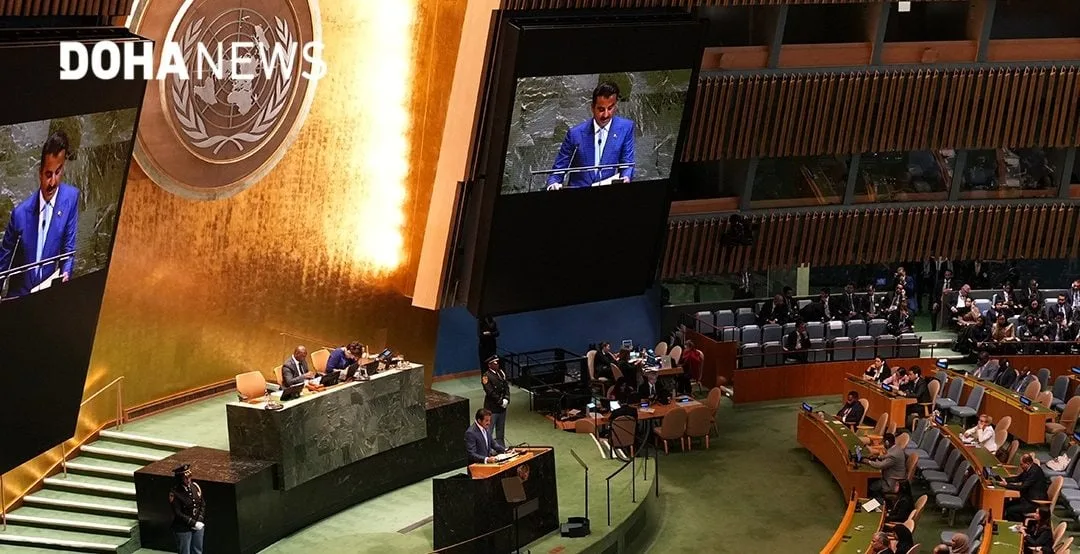
Read more: Qatar Prepares to Attend the 81st UN General Assembly
Last year, Trump met with leaders from eight Arab and Muslim countries at the UN General Assembly and presented them with his draft peace plan for Gaza. This plan was subsequently unveiled publicly and led to an agreement to end the war. Gulf countries, which host U.S. military bases, have faced significant economic damage and attacks from Iran during this war.
Trump's Position on Iran and Recent Statements
In his recent statements on Wednesday, Trump referred to hopes of nearing the end of the war and claimed that Iran is seeking to reach an agreement. He also stated that he heard this directly from Iranian officials. Sources close to the U.S. government have indicated that Trump will meet with leaders or foreign ministers of Arab countries, including Saudi Arabia, the United Arab Emirates, Qatar, Bahrain, Kuwait, and Oman, at this meeting.
The White House has refrained from commenting on the details of this meeting, but the U.S. Department of State sent initial invitations to the leaders of the concerned countries on Wednesday. One source close to the matter noted that the scope of this meeting may expand to include other Arab and Muslim leaders as well.
In this context, attention to the implications of this meeting and its impact on U.S. relations with Arab countries, as well as the situation in Iran, is of great importance. This event appears to play a key role in shaping future U.S. policies in the Gulf region.
Read more: Saudi Arabia Warns About Houthi Threats Near Mecca · Saudi Arabia and New Challenges Following the Iran-U.S. War