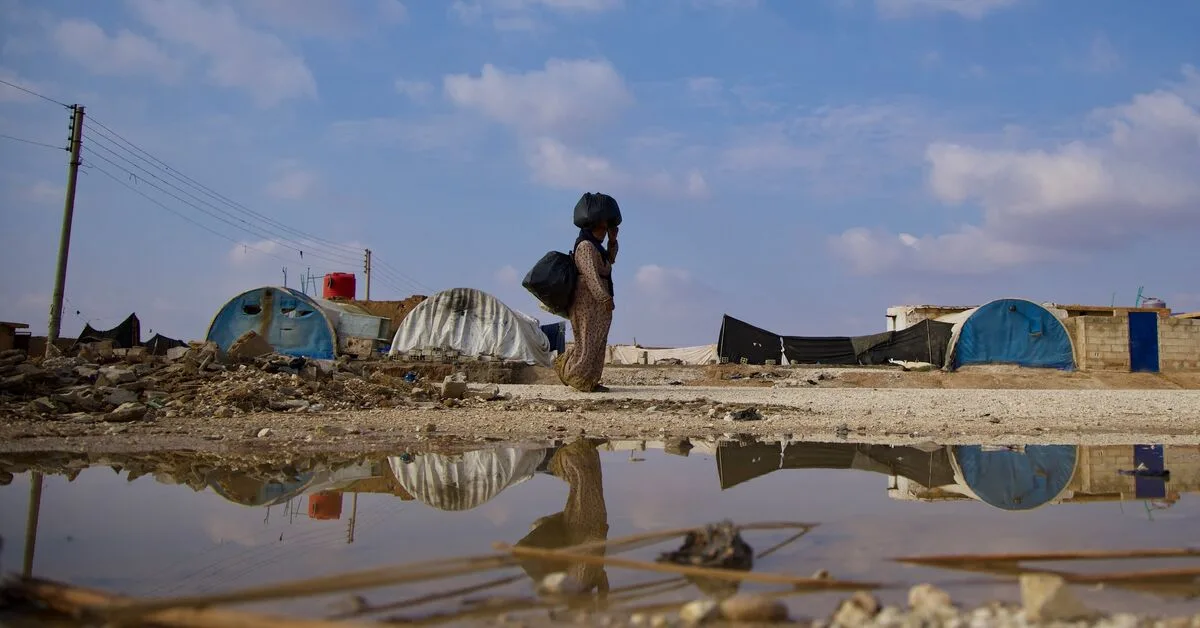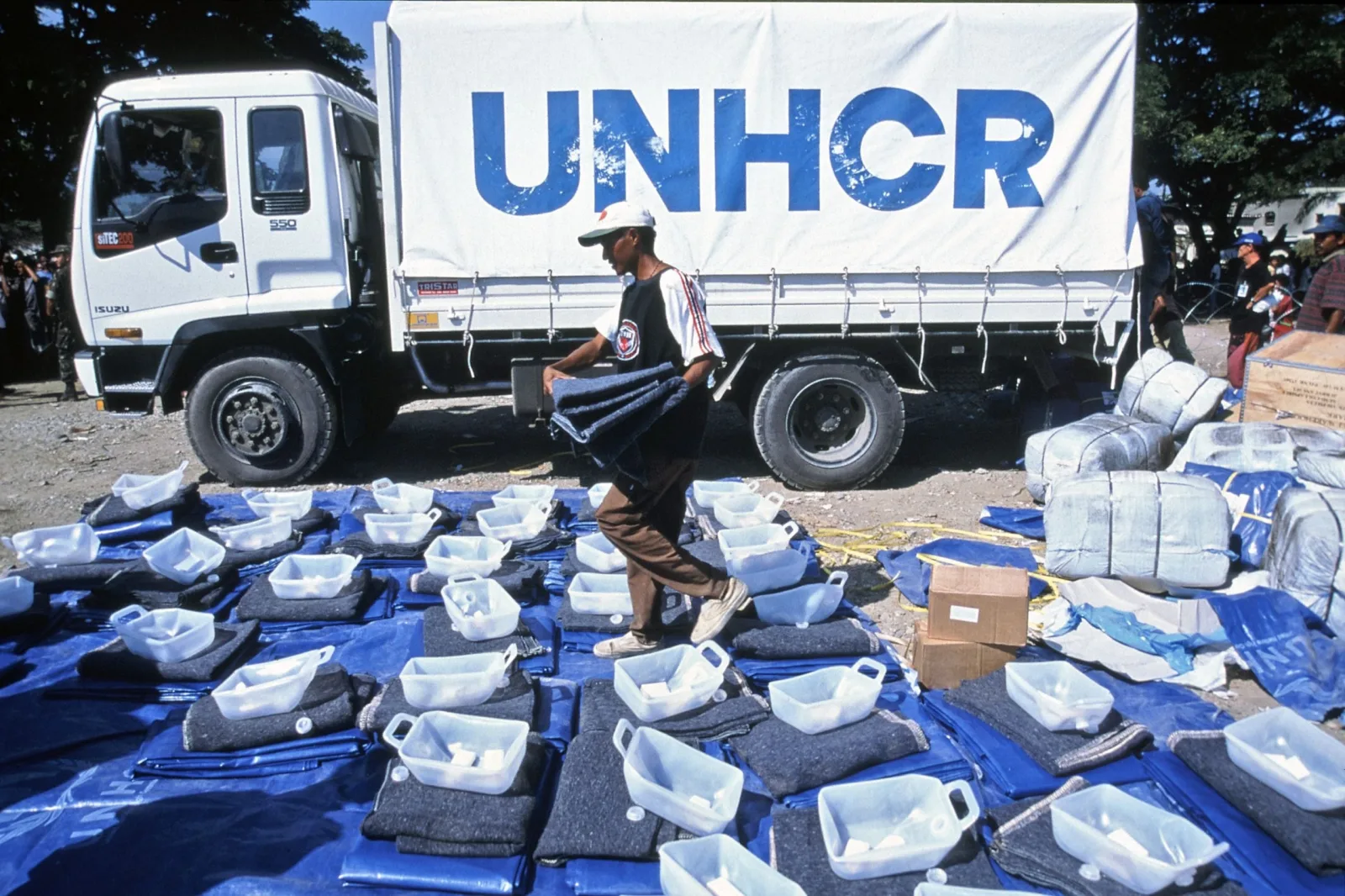
The UN High Commissioner for Refugees (UNHCR) representative in Qatar warned of a deep funding crisis that could lead to the cessation of humanitarian aid to millions. Ahmed Mohsen stated that with the reduction in global aid, the agency is facing serious shortages in providing essential services.
Risk of Cutting Aid to Millions of Displaced Persons
More than 8.3 million people among the homeless and stateless may remain without direct assistance by 2026. Mohsen said: "Protection cannot be divided; below a certain level, the system does not shrink but collapses." He emphasized that cutting registrations and support services for children puts displaced persons back at risk of violence and exploitation.
Read more: Unprecedented Participation of Arab Israelis in Elections and Its Impact on Politics
Decline in Global Aid and Need for Continued Support
Global contributions to UNHCR have decreased by 24% between 2024 and 2025, dropping from $5.178 billion to $3.932 billion. The agency needs $8.505 billion in 2026 to support 131.2 million displaced persons, while by July 31, 2026, it has only received $2.716 billion, indicating a financial gap of nearly $5.8 billion.
Mohsen clarified that Qatar has been one of the main donors to UNHCR since 2019, contributing about $9 million in 2023. This aid has helped respond to the displacement crises in Sudan, Syria, and Ukraine.
As humanitarian aid increasingly comes with restrictions, Mohsen emphasized the importance of flexibility in funding. Since 2019, Qatar has provided $40 million in flexible funding to UNHCR that can quickly respond to emergency needs.
With funding for return and integration programs for displaced persons severely reduced, Mohsen warned that thousands of families will remain without the necessary financial assistance to restart their lives. He said: "Without additional funding, 162,500 vulnerable refugees and returnees will be deprived of financial support."
Mohsen also pointed to the challenges facing families after returning to damaged homes, adding that these families are struggling with limited access to health and employment services. He emphasized: "These economic and social conditions may force them into dangerous journeys again and expose them to trafficking and exploitation."
Read more: U.S. Commitment to Defense Cooperation with Southeast Asia · Kuwait's Humanitarian Aid to Vulnerable Communities Around the World