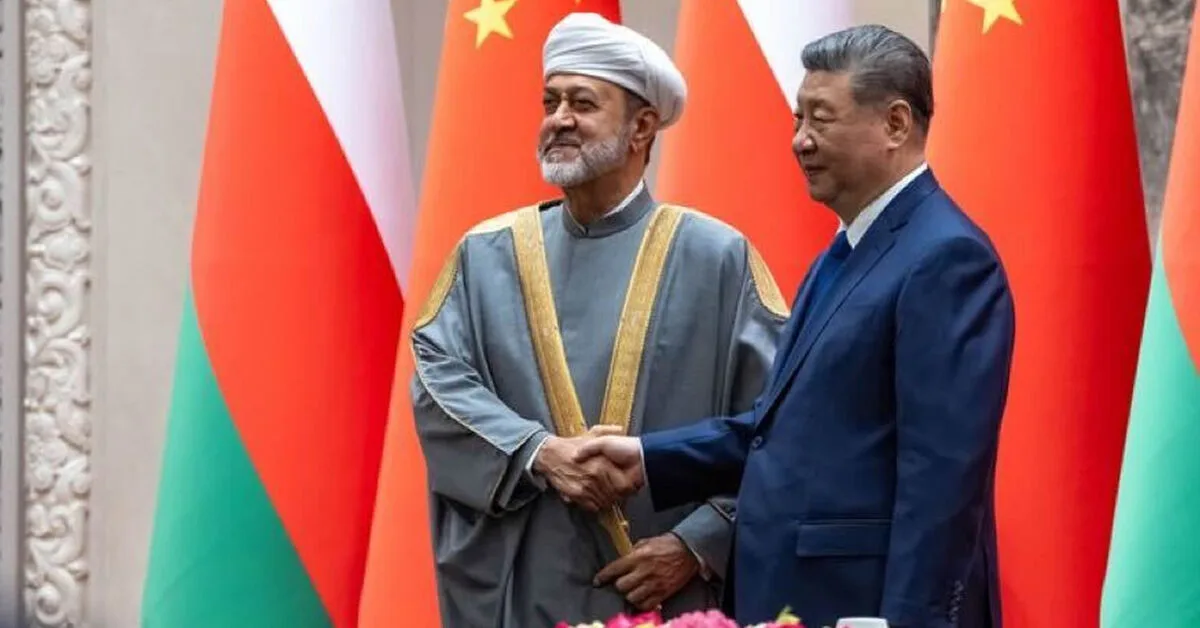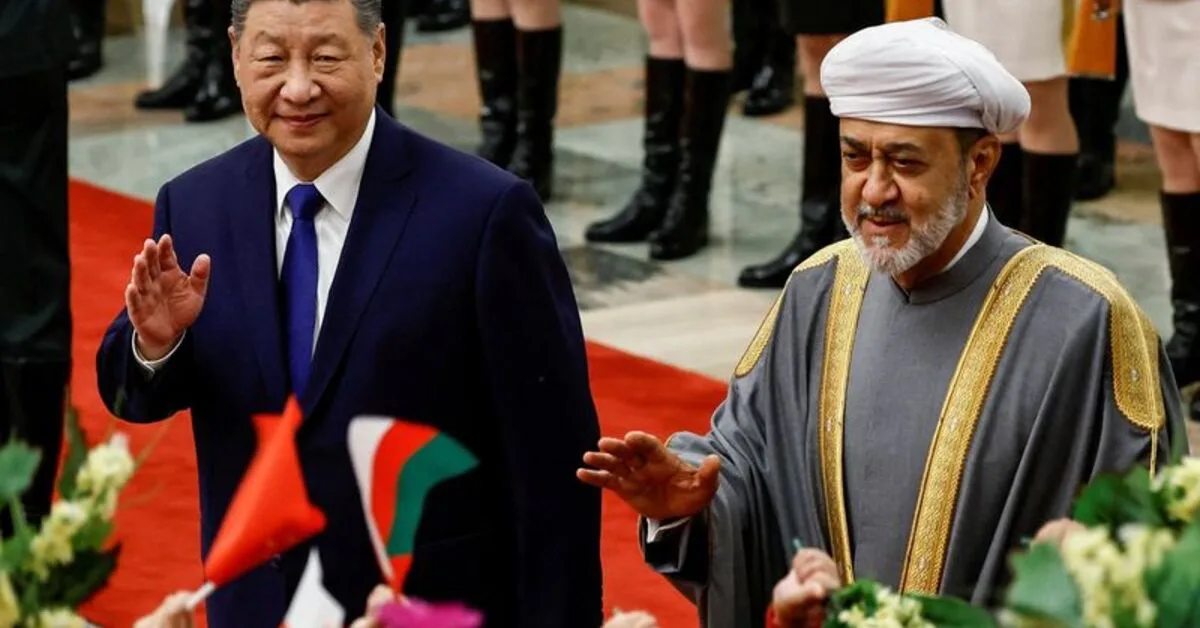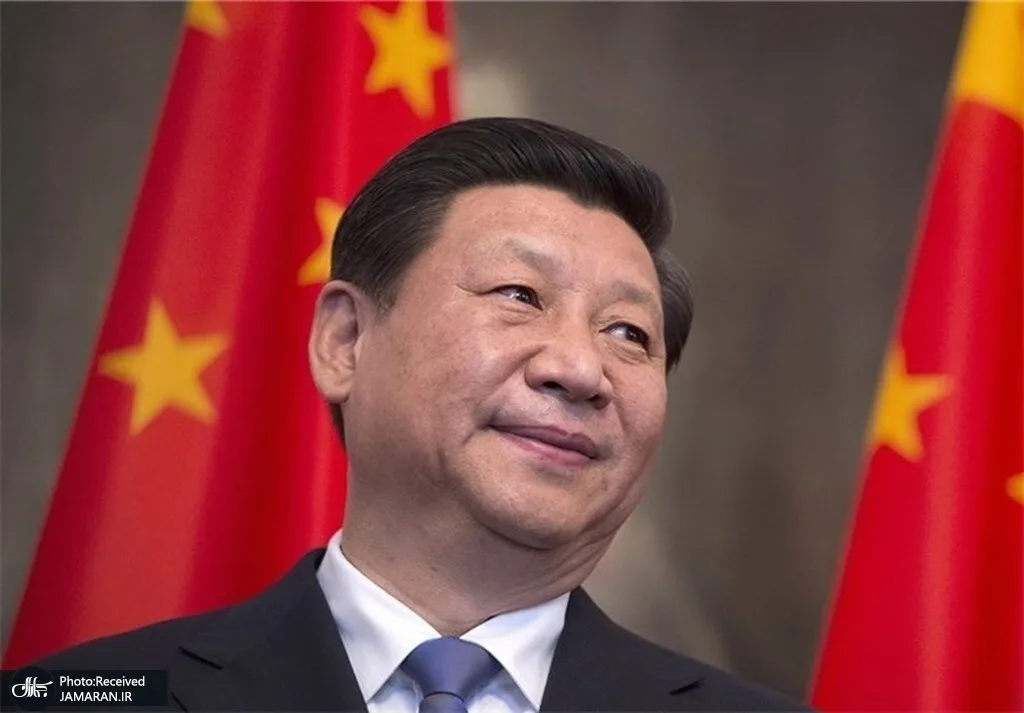
Xi Jinping, the President of China, on November 2, emphasized the importance of peace and stability in the Middle East during his meeting with Haitham bin Tariq Al Said, the Sultan of Oman. He stated that this region should not become a battleground for great powers and geopolitical disputes, and China is prepared to cooperate with Arab countries to achieve lasting peace.
Increased Chinese Efforts in the Middle East
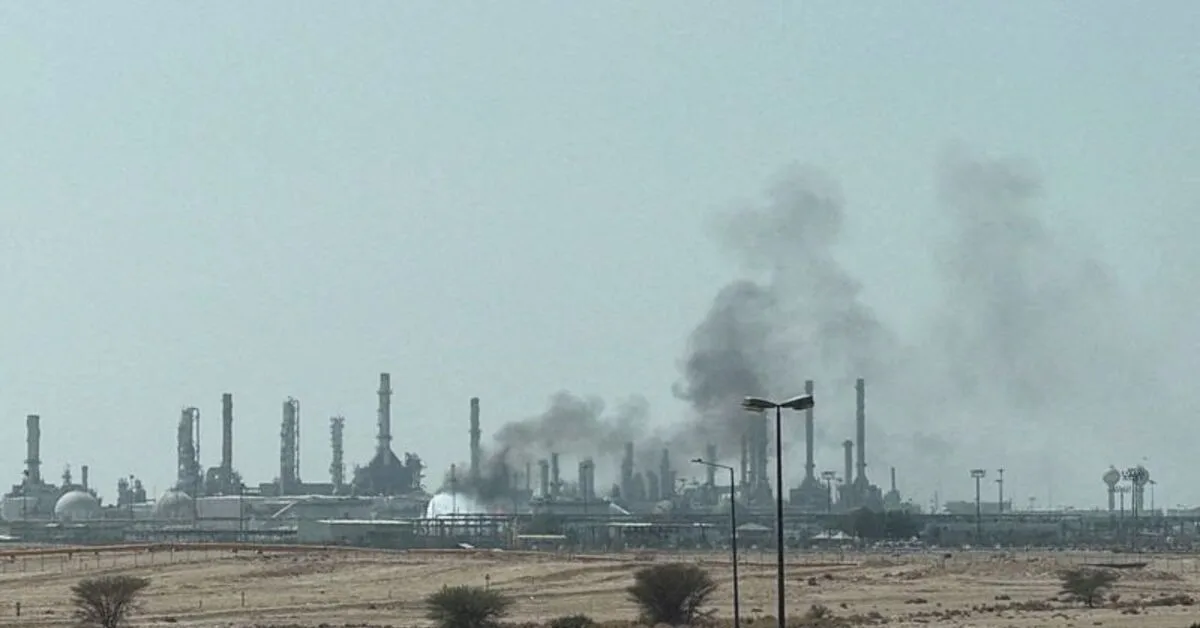
During this meeting, Xi Jinping acknowledged that China, which has traditionally played a low-profile diplomatic role in the Middle East, is now increasing its efforts to help end tensions. These tensions, which have intensified following the U.S. and Israel's war against Iran, have disrupted the Strait of Hormuz and increased global energy and maritime transport costs. The President of China stated: "The world is experiencing profound changes" and emphasized the need for joint efforts to achieve peace and stability in this region.
Read more: Armenia and the Gulf Cooperation Council Talks on Economic Cooperation
China's Commitment to Cooperation with Arab Countries
Xi Jinping stated to the Sultan of Oman that peace and stability in the Middle East require joint efforts and protection from all parties. He also noted that China has always been committed to stopping wars and hopes to contribute to solving security issues in the region by providing wisdom and solutions. The President of China also announced that China is willing to strengthen its communication and coordination with Arab countries, including the member states of the Gulf Cooperation Council, to work together towards restoring peace and achieving lasting stability and security.
Read more: Launch of Drive-Thru Services for the Elderly and Disabled in Kuwait · Fluctuations in Brent Oil Prices Following Middle Eastern Tensions