On September 24, 2023, 80 countries at the United Nations called for the immediate reopening of the Strait of Hormuz and condemned Iran and its Houthi allies for carrying out attacks in the region and disrupting international trade and energy security.
Condemnation of Houthi and Iranian Actions
This statement included a strong condemnation of the Houthis' decision to resume conflict in Yemen and their continued attacks on Saudi Arabia, as well as reckless attacks in the Red Sea. The countries supporting this statement included Gulf Arab states and major Western powers.
Read more: Israeli Ambassador to the U.S.: My son is fighting for his life after the Palestinian attack
The statement noted that the Houthis' advance towards the Bab el-Mandeb Strait would only increase maritime security risks and global trade. It clearly indicated that the actions of Iran and the Houthis are interpreted as defensive, but this view is not acceptable against the existing realities in the region.
Security and Economic Consequences
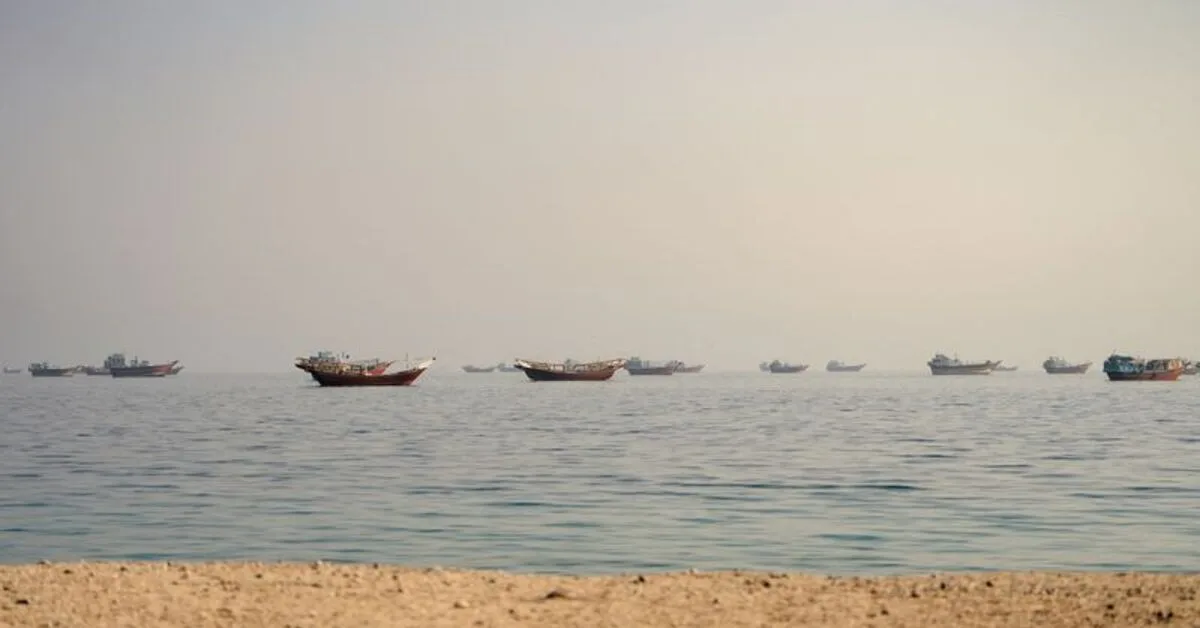
The Strait of Hormuz, which is one of the most important waterways in the world, is crucial for global energy security. Reopening this strait will help reduce tensions and ensure the security of shipping. Meanwhile, continued tensions and military actions in this region could lead to increased volatility in oil prices and other essential goods, impacting global economies.
Considering that the Strait of Hormuz transports nearly 20% of the world's total oil, any disruption in this route could have widespread consequences for global markets. Therefore, the actions of the countries present at the United Nations to reopen this strait and condemn the activities of Iran and the Houthis are significant not only politically but also economically.
Read more: Israeli military action in destroying Palestinian olive trees in the West Bank · UN Human Rights Commission report on the Yemen crisis