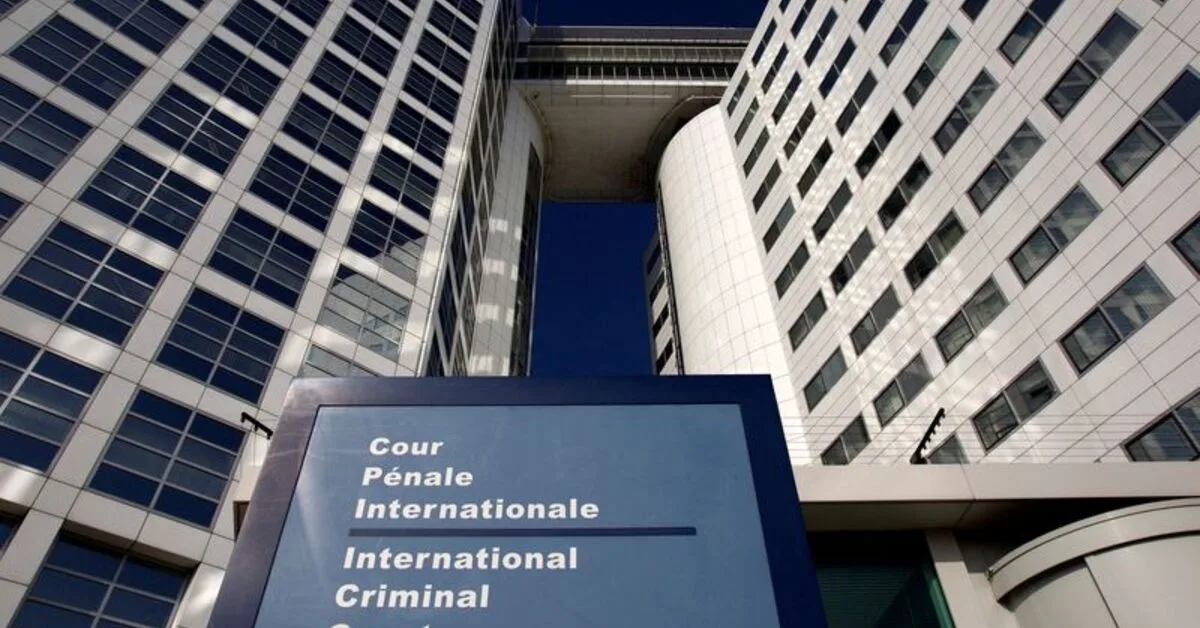
The International Criminal Court (ICC) was established in 2002 to prosecute individuals who commit war crimes, crimes against humanity, genocide, and crimes of aggression. This institution can pursue crimes committed by nationals of member states or by other actors on the territories of these countries. Currently, the court has 125 member countries, and its budget for 2026 is projected to be around 196 million euros (approximately 222 million dollars).
Investigations and Notable Cases
The International Criminal Court is currently investigating cases in Palestinian territories, Ukraine, and African countries such as Sudan, Uganda, and the Democratic Republic of the Congo. The court has announced that it has 34 cases under investigation, some of which have multiple defendants, and so far, 68 arrest warrants have been issued.
Read more: U.S. Secretary of Defense's Visit to the USS Abraham Lincoln and Praise for Sailors
Notable defendants include Benjamin Netanyahu, Prime Minister of Israel, and Vladimir Putin, President of Russia. Netanyahu has been accused of committing war crimes in the Gaza conflict, while Putin is being pursued for the illegal deportation of hundreds of children from Ukraine. Both Israel and Russia, which are not members of this court, have consistently denied allegations of crimes in Gaza and Ukraine and emphasized the court's lack of jurisdiction over them.
U.S. Position and Challenges
Although the United States was present in the negotiations to establish the International Criminal Court in 1998, it has never joined the institution as a member and has always opposed its jurisdiction over American citizens. In 2002, Washington passed a law allowing the President to use any means necessary to free any American citizen or ally who has been surrendered to the court. In recent years, the United States has supported some of the court's investigations but has never allowed the court to address potential crimes by the U.S. military in the territories of member states.
Ultimately, the International Criminal Court has faced numerous challenges in recent years. This institution seeks to provide justice for victims of war crimes and human rights violations, but political tensions and the lack of cooperation from some countries, especially from major powers, have hindered the full realization of its goals.
Read more: Kaja Kallas: The European Union Supports the Extension of Peacekeeping Forces in Lebanon · Execution of Alireza Sepahi in Isfahan After Marriage in Prison