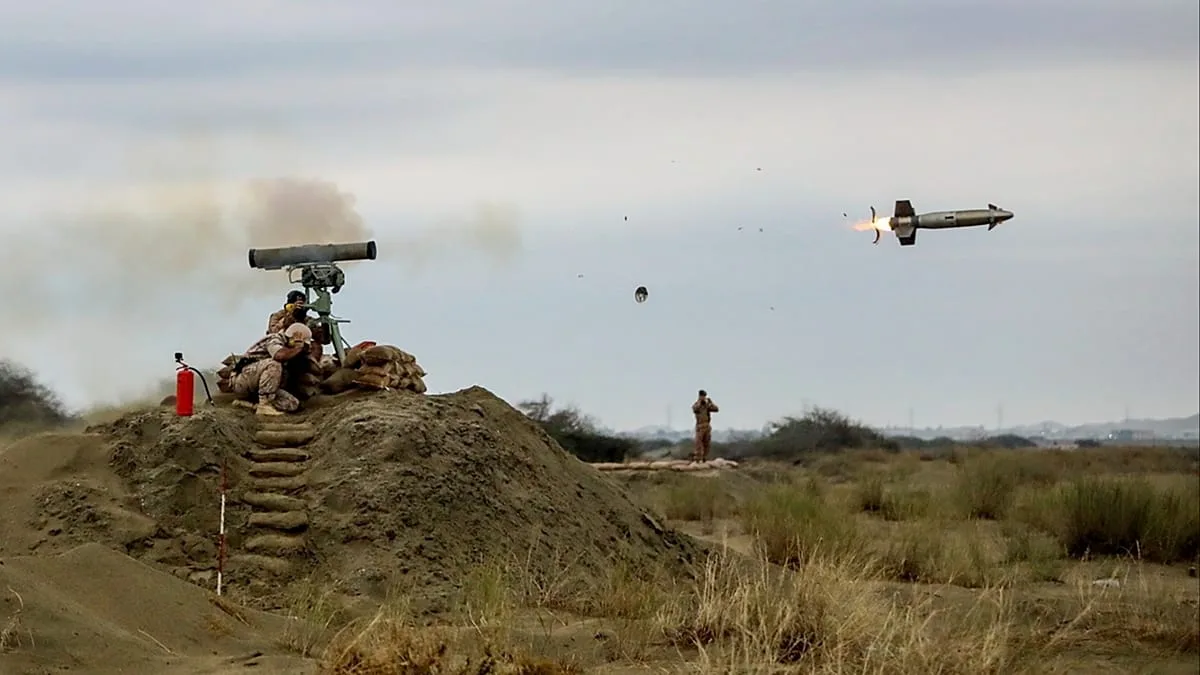
Tehran, as one of the main actors in the ongoing war between the United States and Israel with Iran, employs various levers to challenge the economic interests of regional countries. One of the most important of these levers is the ability to threaten the flow of oil and gas from key regional routes, especially the Strait of Hormuz. In the first month of the war, Saudi Arabia's oil exports decreased by more than one-third, and the United Arab Emirates' exports dropped by over 50%, while exports from Kuwait and Iraq were severely affected and nearly halted.
Immediate Impacts on Energy Exports
Qatar's and the UAE's liquefied gas exports were also completely halted during this period. In cases where no attacks occurred, the increased risks led shipping companies to refrain from dispatching their vessels, and insurance companies demanded much higher rates or even refused to provide coverage. This situation has forced the Gulf Arab countries to redesign their energy infrastructure, which could have significant long-term impacts on the regional balance of power.
Read more: Kuwait has deprived 415 more individuals of their citizenship
New Projects and Bypassing the Strait of Hormuz
Saudi Arabia and the UAE are trying to reduce their dependence on the Strait of Hormuz by utilizing new pipelines. Currently, at least seven new projects for transporting oil to the Red Sea, the Sea of Oman, or the Mediterranean are in the design or implementation phase. Estimates suggest that these projects could add nearly four million barrels per day to export capacity outside the Strait of Hormuz by the end of 2027 and over seven million barrels per day by the end of 2028.
However, some experts believe that the end of the war does not necessarily mean the end of threats against Gulf energy. Daniel Byman and Alden Ness, researchers at reputable think tanks, believe that Iran and aligned groups may seek to maintain their ability to disrupt oil and gas production and transportation. This threat will be used as leverage to pressure regional countries, especially in political and economic negotiations.
Depleting Cycle and Vulnerability of Infrastructure
Reducing the Gulf countries' dependence on the Strait of Hormuz does not mean the loss of Iran's leverage. Tehran is likely to seek to maintain its ability to disrupt energy flows. The more probable scenario includes intermittent and incomplete disruptions where Iran and aligned groups carry out limited attacks while exporting countries are also trying to repair their infrastructure.
The energy infrastructure of the Gulf is a highly interconnected network, and damage to one link can affect the entire network. An attack on major facilities can have far-reaching effects beyond the point of impact. For example, the 2019 attack on the Abqaiq facility in Saudi Arabia demonstrated how an attack can severely reduce production capacity.
Ultimately, this situation pressures regional countries to continuously protect their infrastructure. Given past experiences, future attacks are expected to take the form of a combination of widespread attacks on key points and more precise attacks on remote facilities.
Read more: Oman's crisis management committee reviewed the situation of the stranded ship in the Hallaniyat Islands · Iran's representative responds to the statements of Bahrain's representative at the United Nations