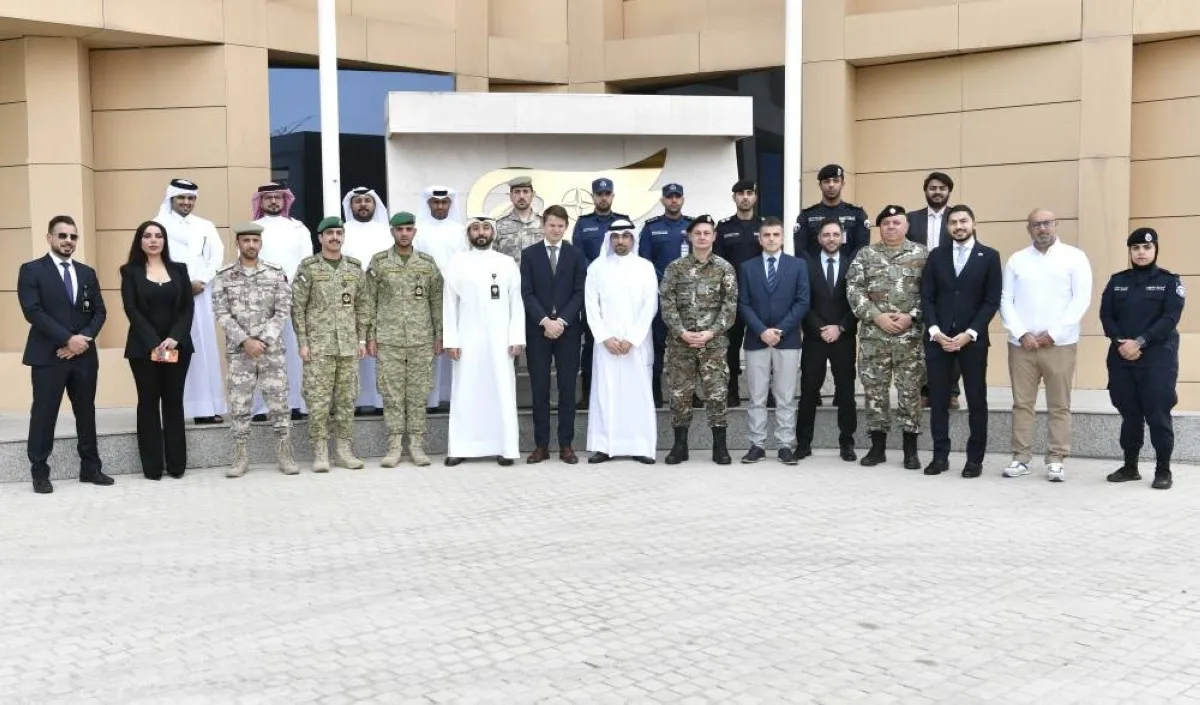
The NATO Cooperation Center in Kuwait began an advanced course in public communication and crisis management for learners from the Gulf Cooperation Council (GCC) countries on Sunday. This training course will continue until October 29 and aims to enhance the media and institutional communication skills of Gulf officials, especially during crises and emergencies.
Objective and Content of the Training Course
The director of this center, advisor Imad Al-Kandari, stated that this course is designed to strengthen the communication skills of Gulf officials. He emphasized that this training program is held in collaboration with the Regional Public Communication Center in North Macedonia and includes a combination of lectures and practical exercises.
In this course, learners will become familiar with writing press releases, conducting media interviews, organizing press conferences, and developing verbal and non-verbal communication skills. They will also learn how to monitor and analyze media coverage. The goal of these activities is to prepare participants to professionally manage media challenges.
The Importance of Communication Management in Crises
Communication management during crises is one of the most important skills that officials must master. In critical situations, accurate and timely information can have profound effects on public opinion and societal responses. The training course at the NATO Cooperation Center in Kuwait allows participants to become acquainted with the necessary skills for media management in various situations.
In conclusion, advisor Al-Kandari stated that this course not only helps Gulf officials enhance their skills but also contributes to strengthening international cooperation in crisis management. This training program can serve as a model for other countries and institutions in the region.
Read more: Lebanon and Kuwait emphasized historical relations · Kuwait emphasized the importance of international justice and condemned Iran's aggressions