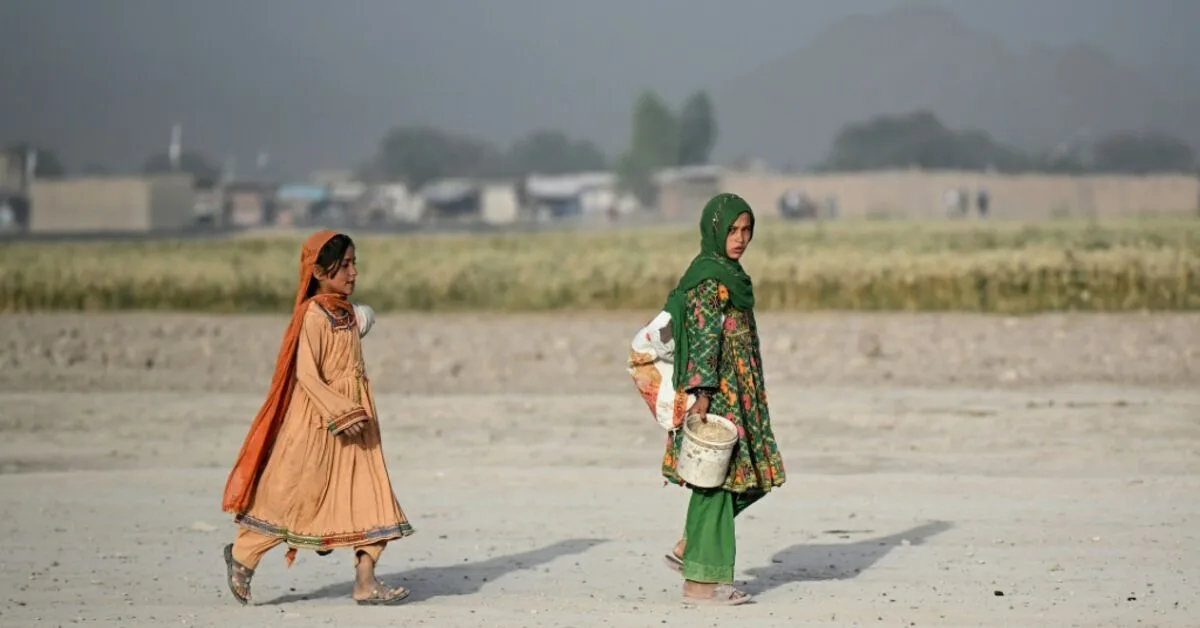
Afghanistan is on the brink of a deeper food crisis as it approaches the upcoming winter, with forecasts indicating that the number of individuals facing severe food insecurity will rise to over 19 million. This warning comes from the United Nations Office for the Coordination of Humanitarian Affairs (OCHA) and highlights the alarming situation that millions of young children will face in 2027.
Increased Need for Malnutrition Treatment
The United Nations has stated that over four million infants and children under six years old will need treatment for acute malnutrition next year. From September to October, 15.9 million people, nearly one-third of Afghanistan's population, faced food insecurity at critical levels or worse, with 3.4 million in emergency conditions. The situation is expected to worsen during the winter season from November to April.
Factors of the Food Crisis
Olga Cheryukov, spokesperson for OCHA in Afghanistan, stated that "the number of people facing severe food insecurity will increase to 19.2 million, with five million expected to be at emergency hunger levels, which is one step closer to famine." She also emphasized the need for action before the winter season begins, highlighting the importance of addressing humanitarian needs and supporting farmers.
More than one million children are at risk of severe malnutrition. Cheryukov spoke from Kabul at a press conference in Geneva, stating: "These numbers represent children whose parents cannot provide nutritious food and families that have lost the ability to cope with challenges due to years of war, economic problems, and drought."
Amid this food crisis, about one-third of nutrition centers across the country have closed or suspended their services, primarily due to budget cuts. Cheryukov warned: "When these services disappear, the consequences can be irreversible, especially for children." The humanitarian situation in Afghanistan has significantly worsened due to a sharp decline in international aid since 2021, when the Taliban regained power.
International aid to Afghanistan has drastically decreased, and the United Nations has announced that it has received less than 30 percent of the necessary budget for providing vital assistance. This humanitarian crisis has been severely exacerbated by several natural disasters and the forced return of millions of Afghans from Iran and Pakistan since 2023. Cheryukov added: "Humanitarian aid can save lives, but it cannot indefinitely replace economic opportunities and public services." The food crisis in Afghanistan is not limited to access to food but is also dependent on people's ability to purchase it.
While better rainfall and agricultural production this year have helped improve the situation, a good harvest "cannot compensate for the damage of several years of drought."