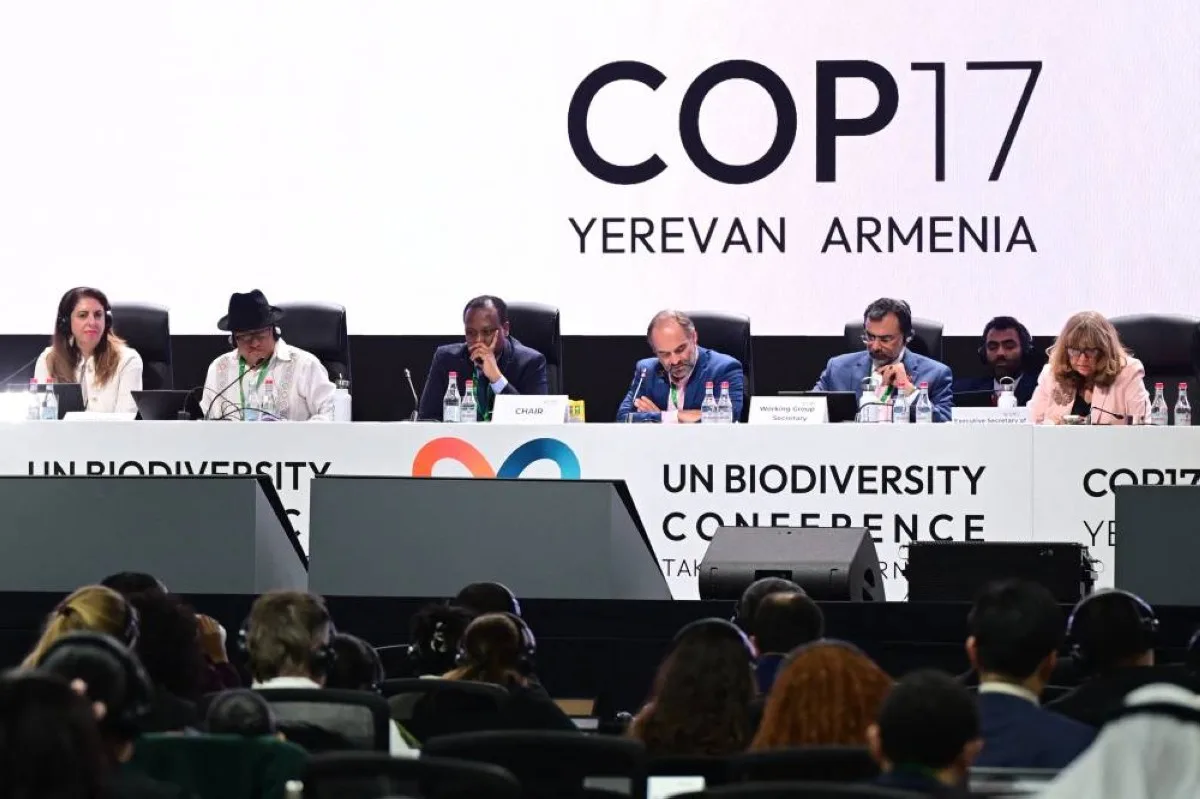
Nearly 200 countries reached ambitious agreements at the United Nations biodiversity conference held in Yerevan, aimed at reviving commitments to halt the destruction of nature by 2030. These agreements were approved at a time when countries were striving not to backtrack on their promises to protect biodiversity.
Agreements and Challenges
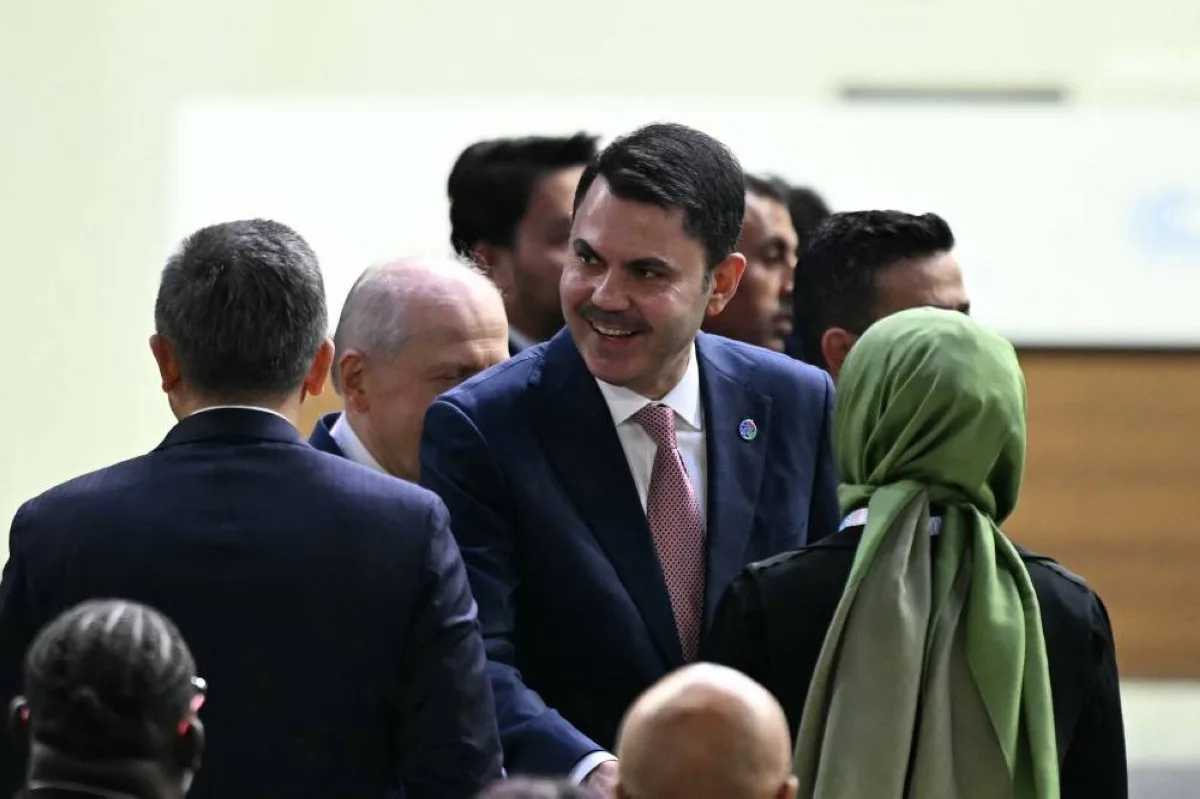
At this conference, representatives reacted with joy to the approval of key texts in overtime. The COP17 President, Hambardzum Matevosyan from Armenia, concluded the document approval process by stating, "This is great." However, the celebrations were overshadowed by heated discussions and limited progress on some issues.
Read more: Fiji and Energy Challenges: Moving Towards Renewable Energies
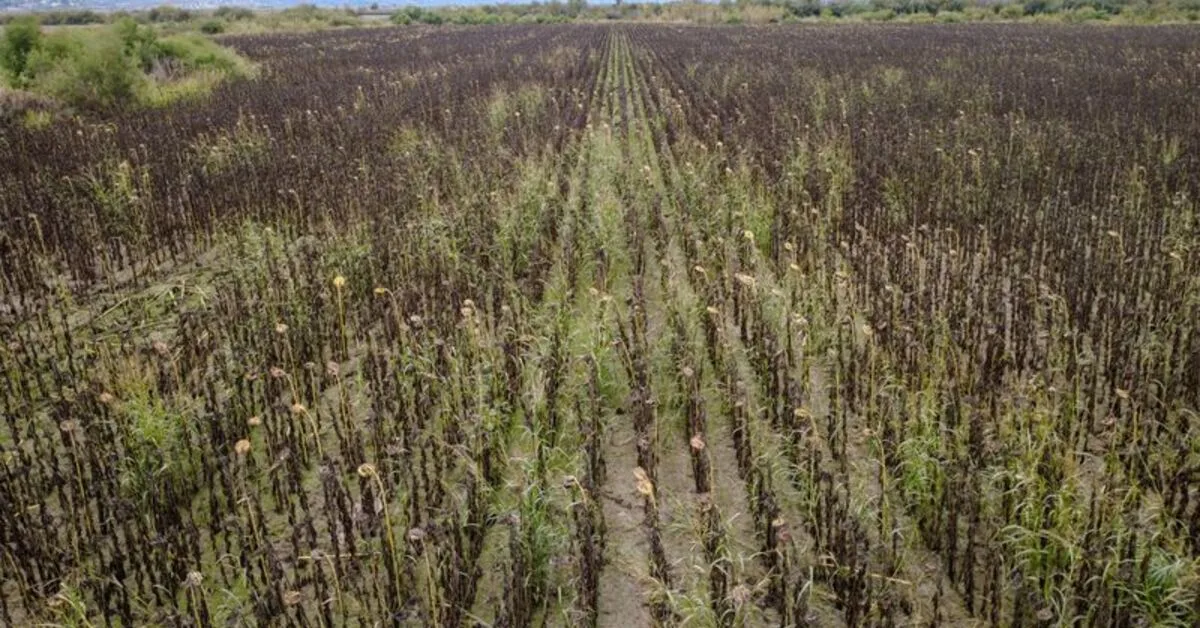
The agreements are seen as a fresh effort to achieve the historic 2030 commitment to protect the plants, animals, and ecosystems that support life on Earth. According to the United Nations, progress in this area has been slow, and some key goals, including protecting 30 percent of land and oceans and increasing conservation funding, have been delayed.
Efforts for Financing and New Challenges
During two challenging weeks in Yerevan, attending countries were invited to change course to keep the agreement alive. A draft of one of the important texts called for "accelerating" efforts and warned of the need for "more action" to address the drivers of biodiversity loss. However, it remains unclear which recommendations made it into the final version.
Subsequently, discussions on other issues stretched into the early hours of Saturday, and the atmosphere of the negotiations shifted sharply. One negotiator from a developed country described the progress as "frozen." Some representatives welcomed minor advancements in subsidies and incentives that encourage harmful activities to nature. Governments have committed to reducing these costs, but it seems that almost no progress has been made in this area.
Ultimately, the conference decided that Ecuador would host the next biodiversity negotiations in 2028, which was chosen after a secret ballot against Panama.
Read more: India Announces Actions Following the Death of the First Cheetah After Returning to the Country · The United Nations Security Council Passed a Resolution to Protect Children in Armed Conflicts