The diplomatic banquet held in honor of the global registration of the Alamut Castle and its associated fortifications was hosted by the Iranology Foundation and the Governorate of Qazvin on the evening of Tuesday, October 21, 1405, at the Sardar Mofakham Mansion in Qazvin. Political representatives from more than ten countries around the world were present at this event.
The Historical Role of Alamut in Strengthening International Relations
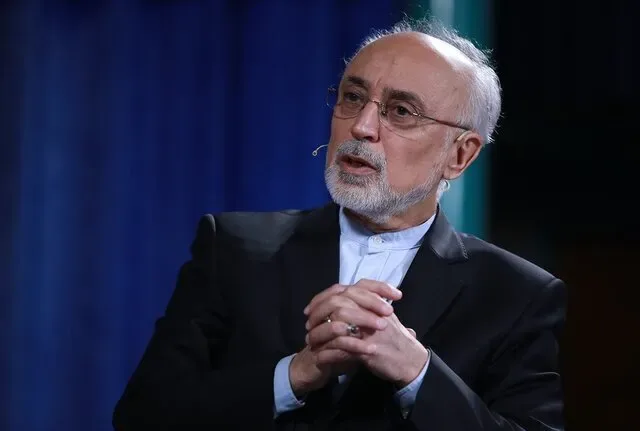
Ali Akbar Salehi, former Foreign Minister of the Islamic Republic of Iran and President of the Iranology Foundation, noted at the ceremony the historical and cultural significance of Alamut and its potential to enhance communication between nations. He considered the presence of diplomatic representatives at this event as an opportunity to deepen mutual understanding, honor shared human heritage, and recognize the responsibility of countries in bringing nations closer together.
Read more: Pete Hegseth's program to broadcast live executions in the United States
Salehi stated that Alamut is a place where history, nature, and thought converge, asserting that the sturdy fortresses in this region among the Alborz mountains are a testament to an important chapter in the history of Iran and the Islamic world. At one point in history, Alamut became one of the significant political, cultural, and intellectual centers of the Nizari Ismailis, leaving a distinct mark on the history of this region. According to him, these historical buildings remind us that civilizations are shaped through interaction with the natural environment, historical experiences, and intellectual traditions, and the value of cultural heritage is not confined to national borders.
Diplomacy and Preventing Tensions
The President of the Iranology Foundation regarded the registration of the "Alamut Castle and its Associated Fortifications" in the UNESCO World Heritage list in 2026 as an acknowledgment of the value of this heritage and noted that this event not only brings honor to Iran but also creates a shared responsibility for humanity in safeguarding past treasures and passing them on to future generations.
He further addressed the role of diplomacy and the responsibility of political representatives of countries, stating that the mission of ambassadors goes beyond formal negotiations and managing political relations. One of the important missions of diplomacy is to turn the distance between nations into an opportunity for understanding and mutual respect, and to transform differences into a basis for reciprocal respect.
Salehi emphasized that the differences among nations in history, culture, traditions, and interests should not necessarily lead to hostility; the main issue is to understand and wisely manage these differences. Ambassadors play a dual and decisive role in this process; on one hand, they convey the positions and concerns of their respective governments to others, and on the other hand, they assist their governments in understanding the realities, perspectives, and legitimate concerns of the countries where they are assigned.
According to the President of the Iranology Foundation, this dual responsibility is important because misunderstandings do not only arise from real differences in interests but can also stem from incomplete information, misinterpretations, and incorrect readings of the intentions of the other party. Sometimes, a timely explanation, a candid dialogue, or an accurate transmission of a message can prevent a misunderstanding from escalating into a serious conflict in diplomatic relations.
Salehi stated that diplomacy, in its best form, is not only about resolving disputes but also about the art of preventing avoidable conflicts. Mutual understanding does not mean that all nations agree on all issues; rather, it requires a readiness to listen, understand different viewpoints, and seek reasonable solutions, even in the face of ongoing disagreements.
He also pointed out that the unprecedented speed of information dissemination in today's world has doubled the responsibility of diplomats; as incorrect information can spread rapidly, while trust requires time, continuity, and meaningful interaction to form. Therefore, ambassadors, by establishing connections with the people of the countries where they are assigned, familiarizing themselves with their history and culture, and encouraging direct dialogue, can play a role in reducing misunderstandings and strengthening the foundations of sustainable cooperation.
In summarizing his remarks, the President of the Iranology Foundation described historical heritage as a bridge between the past and the future, and diplomacy as a bridge between nations and their shared future, stating: If safeguarding Alamut is a duty to future generations, then preserving peace, strengthening trust, and expanding mutual understanding are equally significant responsibilities towards these generations.
In conclusion, Salehi expressed gratitude for the presence of political representatives at this event, considering knowledge, foresight, fairness, and commitment to dialogue as important capacities for diplomats to play a lasting role in this path. He hoped that this meeting would leave pleasant memories of Iran and its hospitable people for the guests and pave the way for closer ties and more fruitful collaborations in the coming years.
Read more: The status of Iran's uranium enrichment program under the supervision of the United States and Israel · Iran's Foreign Minister emphasized the necessity of ending the occupation of Southern Lebanon