On June 13 of last year, Iran was targeted by airstrikes from Israel and the United States, which destroyed or severely damaged three of the country's uranium enrichment facilities at that time. These attacks were carried out with the claim that Iran was close to producing nuclear weapons, but inspectors from the International Atomic Energy Agency (IAEA) found no signs of a nuclear weapons program in Iran.
The Status of Iran's Uranium Enrichment Before the Attacks
At that time, Iran was enriching uranium to a purity of 60 percent, which is only a small distance from the 90 percent purity required for nuclear weapons production. The International Atomic Energy Agency announced that at the time of the attacks, Iran had 440.9 kilograms of uranium enriched to 60 percent, which theoretically was enough to produce 10 nuclear weapons. Iran also had stocks of uranium with lower concentrations.
Read more: U.S. Economic Pressure on the Islamic Republic and the Search for a New Agreement
The United States and its European allies have concluded that there is no justification for uranium enrichment at the level that Iran is conducting. Inspectors from the International Atomic Energy Agency are also concerned about the level of enrichment and the amount produced.
The Impact of the Attacks on Iran's Enrichment Capacity
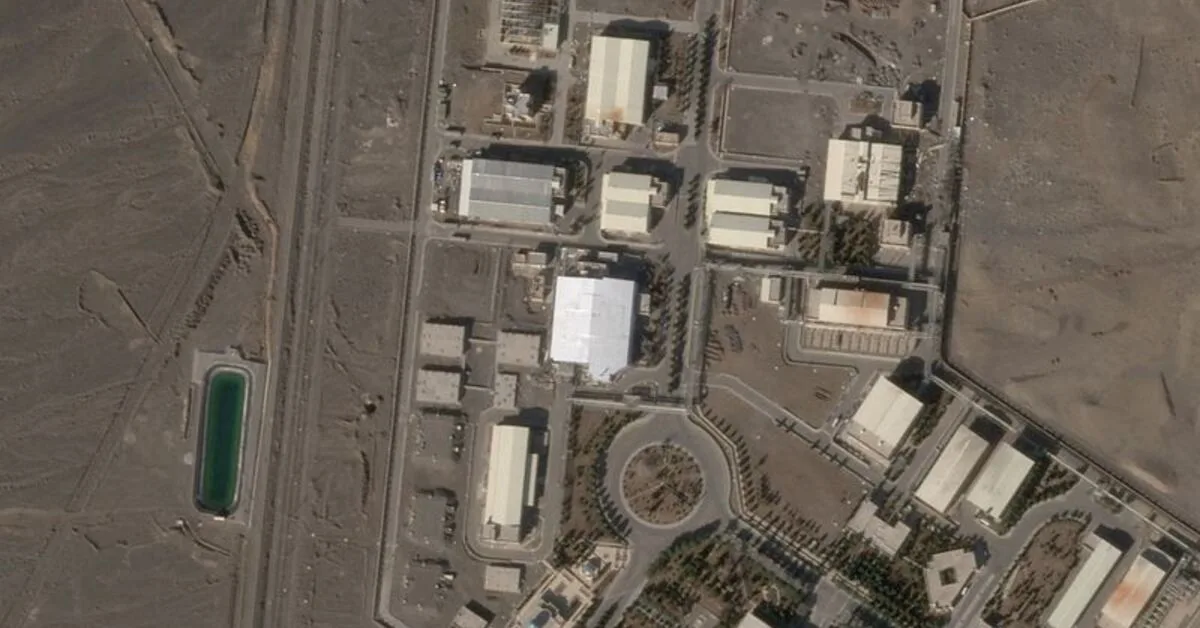
Iran has not reported on the amount of enriched uranium that remains after the attacks and has not allowed inspectors from the agency to visit the bombed facilities. Of the three enrichment facilities, only the facility visible at the Natanz nuclear site has been completely destroyed, while the other two facilities in Natanz and Fordow have been severely damaged and are generally considered inactive.
One day before the Israeli attack, Iran informed the agency that it was inaugurating a new enrichment facility in Isfahan. Diplomats say that this facility is located in a network of tunnels that have largely remained safe from U.S. bombings. The status of this facility and whether nuclear materials are present there is still unclear.
Despite some of Iran's enriched uranium being destroyed in the attacks, the head of the International Atomic Energy Agency has stated that the agency estimates "more than 200 kilograms" of Iran's enriched uranium remain in these tunnels, with some still present in Natanz.
The Future Outlook of Iran's Uranium Enrichment
No Israeli officials have claimed that Iran is currently enriching uranium. The time required to resume these activities is still unclear, but as long as a significant portion of the 60 percent stock remains, Iran could easily achieve weapons-grade enrichment using a number of centrifuges.
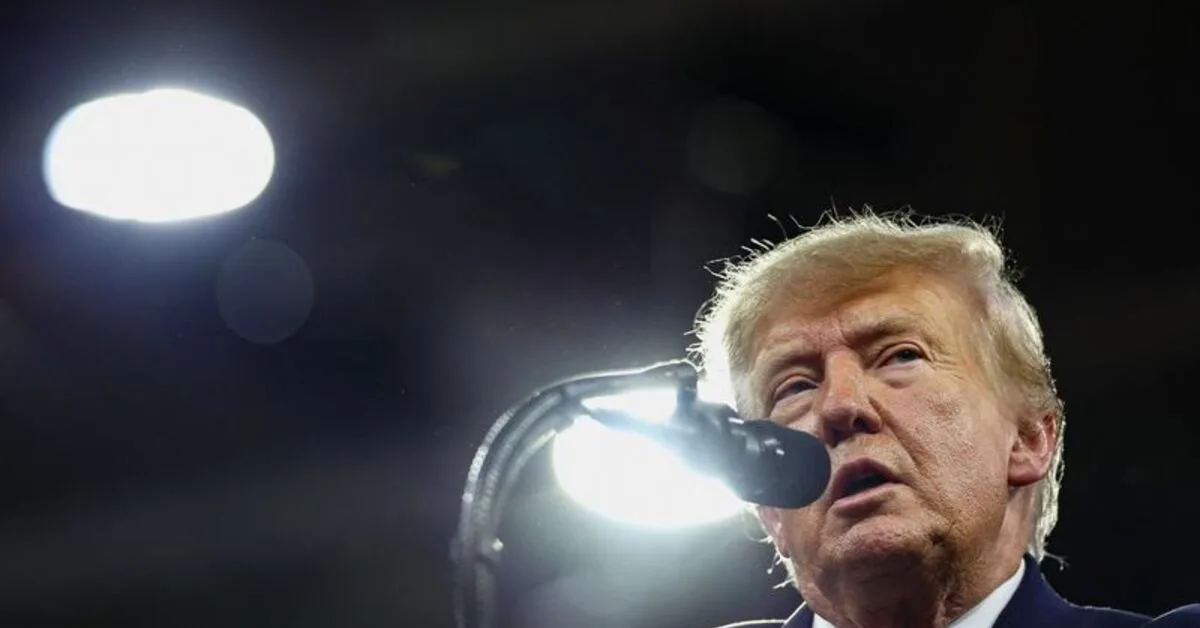
The 2015 agreement between Iran and the major powers granted the International Atomic Energy Agency greater powers for inspections, including monitoring the number of centrifuges and their components. However, the withdrawal of former U.S. President Donald Trump from this agreement in 2018 led to its collapse, and the International Atomic Energy Agency could no longer track the number and location of these centrifuges. As a result, any reduction in Iran's enrichment capacity is likely to be attributed to its previous significant capacity.
Read more: New Activities at Iran's Nuclear Site in Recent Report · Pezeshkian: Iran-Thailand Relations Can Expand Further