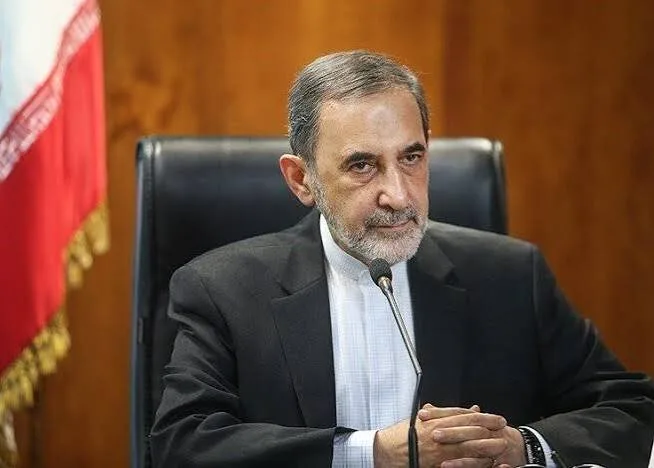
Ali Akbar Velayati, advisor to the Supreme Leader of the Islamic Revolution on international affairs, recently analyzed the security situation in West Asia and emphasized the necessity of achieving collective security. In his remarks, he referred to Iran's central role in creating a new regional order and stated that Iran acts as a bridge between the Persian Gulf, Central Asia, the Caucasus, and the Sea of Oman.
Iran's Role in Regional Order
Velayati continued: "Any energy or transit corridor that seeks to bypass us will either be costly or unstable." These statements indicate that Iran's economic and security relations with neighboring countries can have significant impacts on regional stability. According to him, the multiple crises in the region, from Gaza to the Red Sea and from Lebanon to Iraq, demonstrate that regional security is indivisible and can only be achieved through collective cooperation.
Read more: Turkey's Victory in Libya and Challenges Ahead for Khalifa Haftar
Geopolitical Impacts and the Future of Regional Security
Velayati, referring to geopolitical changes and the impact of elections in Israel and the United States, added that these developments have, in a way, made Iran one of the main architects of the regional order. He emphasized that this reality is not only irremovable but also irreplaceable. In other words, Iran is shaping the future of security and economic stability in West Asia as a key player on the international stage.
Overall, Velayati stressed that if collective security is not achieved in the region, all countries will experience collective insecurity. These remarks reflect his deep concern about the prevailing security and political situation in West Asia and the necessity of multilateral cooperation to ensure security and sustainable stability in the region.
Read more: Important Regional Developments: Sahand Iranmehr's Analysis on the New Order in the Persian Gulf · Phone Conversation Between the Foreign Ministers of Iran and Oman