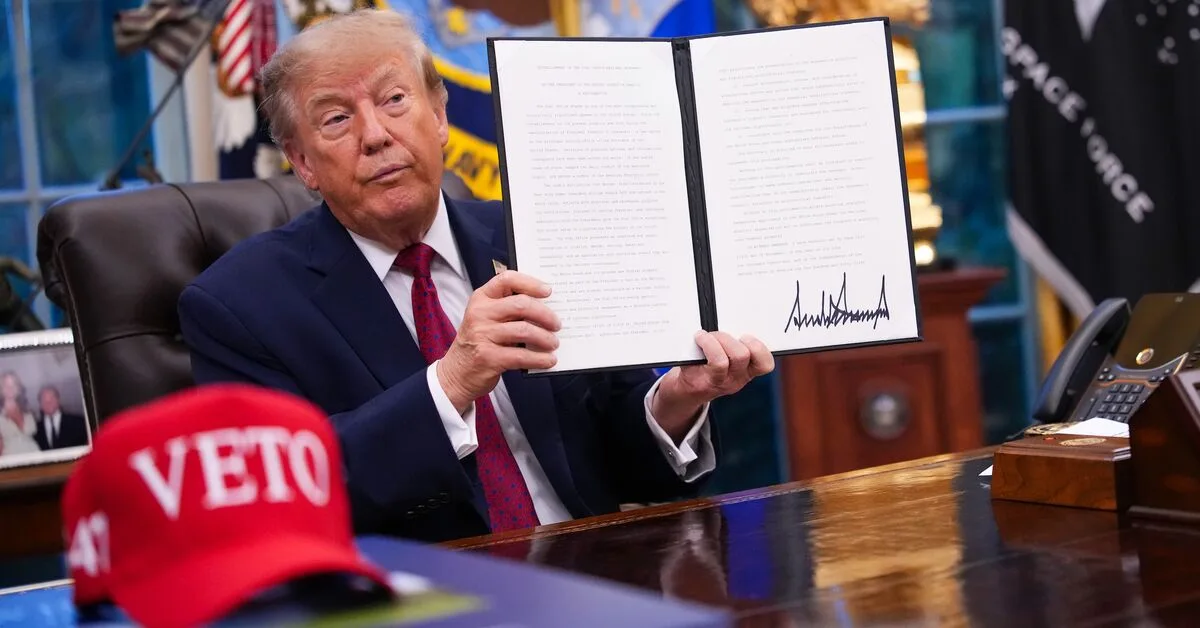
The government of Donald Trump, the President of the United States, is facing new challenges in domestic and foreign policy following the disappointing results of the recent midterm elections. These elections, which led to a reduction in the power of Republicans in Congress, will have profound effects on Trump's ability to advance his agenda. However, it seems that Trump may still have the upper hand in foreign policy.
Domestic Challenges and Their Impact on Foreign Policy
After losing both houses of Congress, Trump will face stricter oversight on his political programs domestically. However, on the international stage, he still has considerable freedom to pursue his goals. From Iran and Israel to Ukraine and China, Trump can easily take actions in these areas.
Analysts believe that the main question is whether Trump will learn from the recent election results or, conversely, take more aggressive actions to shape his legacy in U.S. relations with both friends and foes. He is particularly hardline regarding the war with Iran, which he believes is part of his electoral failures.
Concerns About Military Actions
The war with Iran is one of the main topics on Trump's agenda. He recently stated that he has no regrets about the attacks on the Islamic Republic and emphasizes that preventing this country from acquiring nuclear weapons is essential. At the same time, he faces significant criticism from Democrats and some Republicans who say he has ignored Congress's powers regarding war and peace.
Chuck Schumer, the Senate Democratic leader, has emphasized that the party's duty is to limit "Trump's chaos at home and abroad" and to end the war with Iran. However, this will not be easily achievable, as presidents typically have more freedom in foreign policy.
In this context, Democrats can use oversight tools, confirm Trump's nominees, and financial powers to limit his foreign operations, but analysts believe their influence will be limited.
Challenges Ahead for Trump on the International Stage
While Trump will face a Congress less supportive of Israel, some Republicans are also expressing doubts about traditional support for this country. The recent elections reflect a shift in voters' attitudes toward military aid to Israel and the war in Iran. Many successful Democratic candidates campaigned against military aid to Israel and the war with Iran.
On the other hand, Democrats are trying to revive support for Ukraine, while Trump has recently halted direct aid to this country. Meanwhile, criticism of Trump for lifting sanctions on Russian diesel exports has increased, creating a perception that he is leaning toward Moscow.
Overall, Trump faces many challenges in his foreign policy, but it seems he is trying to use this situation to his advantage and leverage his presidential powers in this area.
Read more: The Continuation of the Stalemate in Iran-U.S. Negotiations with Mohsen Rezaei's Statements · Phone Conversation Between the Foreign Ministers of Iran and Oman