Ali Al-Zaydi, the Prime Minister of Iraq, along with Faleh Al-Fayyad, the head of the Popular Mobilization Forces, attended a secret trip to Tehran yesterday. This trip, following recent political developments in the region, reflects Iraq's efforts to maintain close relations with Iran in the current sensitive situation.
Details of the Iraqi Delegation's Trip
The Iraqi delegation negotiated with Iranian officials in Tehran for 8 hours. This meeting focused on security and economic issues between the two countries, aiming to strengthen cooperation and address existing challenges in bilateral relations. However, according to informed sources, the negotiations did not reach a conclusion, and the Iraqi delegation left Tehran without achieving any specific agreement.
Read more: Houthi Attacks on Saudi Arabia and New Vulnerabilities
Political and Diplomatic Contexts
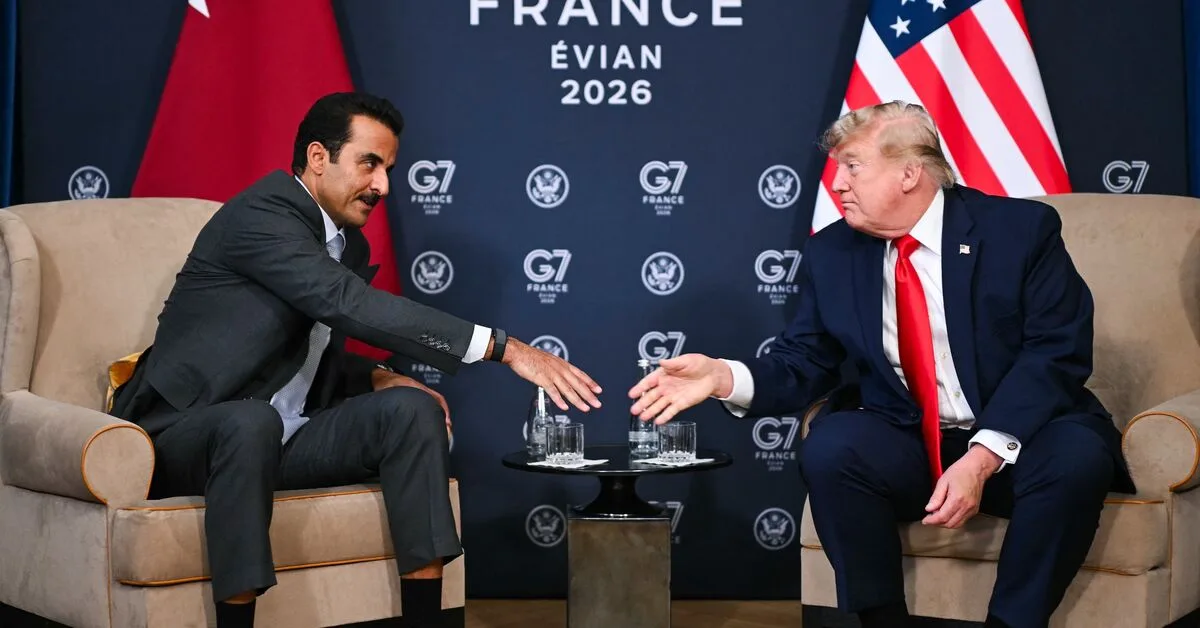
Ali Al-Zaydi's trip to Tehran occurred after Tom Barrack, the U.S. envoy to Baghdad. This trip was clearly influenced by a recent phone call from Donald Trump, the President of the United States, to Ali Al-Zaydi. In this call, Trump advised Al-Zaydi on the necessity of strengthening relations with the U.S. and reducing dependence on Iran. These developments reflect the complexities of Iraq's relations with its two important neighbors, Iran and the U.S.
Analysts believe that this trip and negotiations could have significant impacts on Iraq's future policies. While the Iraqi government is trying to maintain a proper balance between its relations with the U.S. and Iran, this trip could serve as a test to assess Baghdad's ability to manage political and diplomatic crises.
Ultimately, this trip and negotiations, despite not yielding a clear outcome, demonstrate Iraq's ongoing efforts to play a key role in the region and improve its internal situation. It seems that in the near future, we will witness continued discussions between Iraqi and Iranian officials to help resolve the upcoming issues.
Read more: Economic and Security Challenges of Gulf Countries · Iran's Warning to Bahrain About the Suppression of Religious Scholars