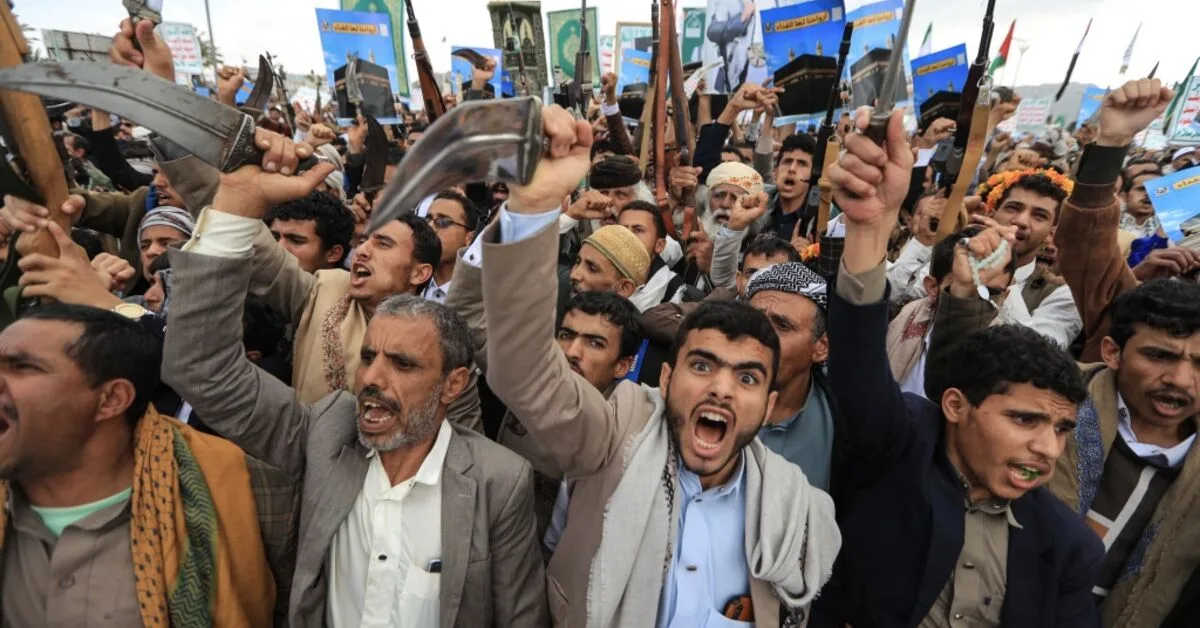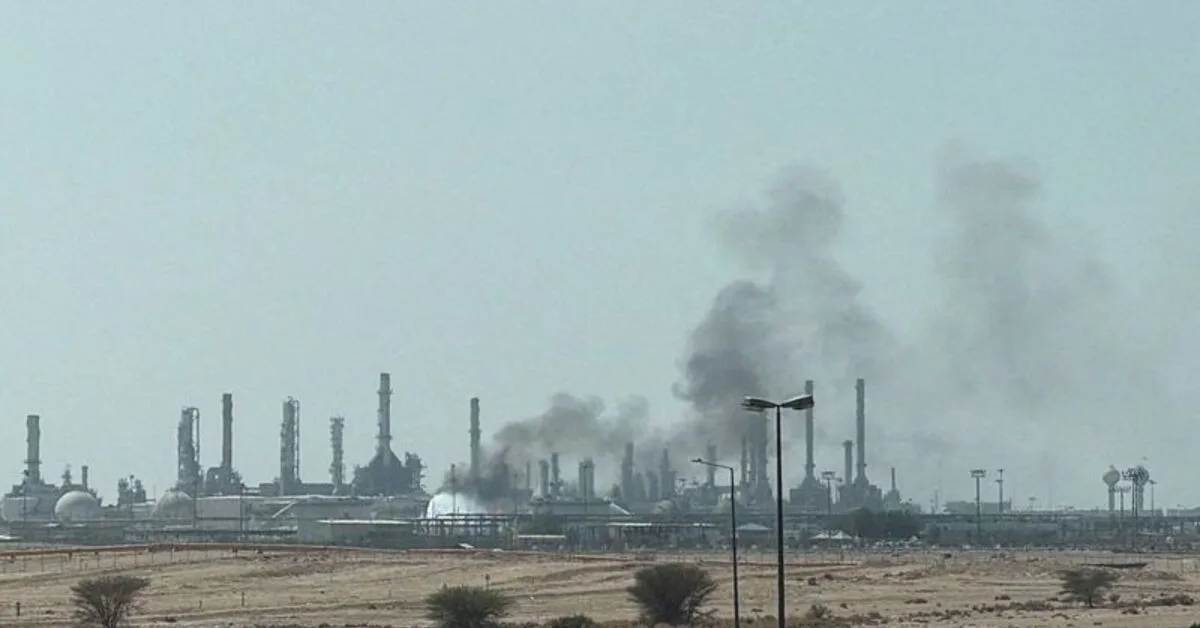
The Houthis of Yemen, who control the northwest of the country, conducted airstrikes on Riyadh International Airport and the headquarters of Saudi Aramco, the world's largest oil company, last week. These attacks have clearly revealed Saudi Arabia's vulnerability to threats from its neighbor.
Impact on International Investments
These attacks have shattered the illusion of Saudi Arabia as a secure international investment hub, challenging its position as it seeks to attract foreign investments and reduce its dependence on oil. Military and regional analysts believe that Saudi Arabia's vulnerability is influenced by a combination of factors, including Tehran's support for the Houthis in achieving self-sufficiency in production and the use of advanced weaponry.
Analysis of Houthi Military Capability
The Houthis, officially known as Ansar Allah, have gained weapons, money, and training under Iranian support for over a decade, although Tehran has officially denied supplying arms to the Houthis in violation of UN arms embargoes. Despite financial and military pressures on Iran due to war and sanctions, the Houthis have been able to proliferate their methods of weapon production with Iran's assistance. This includes the manufacture of drones and missiles.
Experts believe that the Islamic Revolutionary Guard Corps of Iran and members of Hezbollah in Lebanon initially provided the Houthis with knowledge related to missile systems and their operation. This process has helped institutionalize these capabilities through training Yemeni military engineers and a new generation of local specialists.
Use of Modern Technologies
One of the strengths of the Houthis in their weapon manufacturing is that they are not solely dependent on Iranian-made equipment or imports from that country. A weapons research organization reported that the Houthis have attempted to build advanced ballistic missiles using components sent from China, while the internationally recognized Yemeni government has seized one of these shipments.
Additionally, the Houthis have sought to utilize artificial intelligence to enhance the effectiveness of their weapons. A group of threat actors in northern Yemen has used the AI assistant Claude to develop software for a guided missile.
Defensive Challenges for Saudi Arabia
While the Houthis have improved their weapon production, U.S. allies in the region are facing increased defensive pressures. The United States has used large amounts of its interceptor missiles in the region to protect its bases and allies, including Israel and Gulf countries. This has made some Gulf countries, particularly Saudi Arabia, more vulnerable.
Some experts say that Saudi Arabia has not yet reached the level of Israel or Ukraine in terms of military complexity and the development of an integrated air defense network. This issue, due to Saudi Arabia's geographical expanse, makes defending against air attacks significantly more challenging than for Israel or American bases.
As a result, the Houthis have continuously diversified their supply chain and developed new capabilities due to their operational experiences. These developments have clearly created new challenges for Saudi Arabia and its allies.
Read more: International Law Professor: Regional Collective Security Requires Cooperation Among Middle Eastern Countries · Saudi Arabia Cancels Several International Events Due to Regional Tensions