The Gulf states are facing new challenges regarding oil dependency, security, and trade geography. The results of the recent U.S. elections seem to have altered the trajectory of tensions against Iran, but these countries are inevitably required to reduce their dependency on oil, the United States, and the Strait of Hormuz.
Consequences of the U.S. Elections on Arab Countries
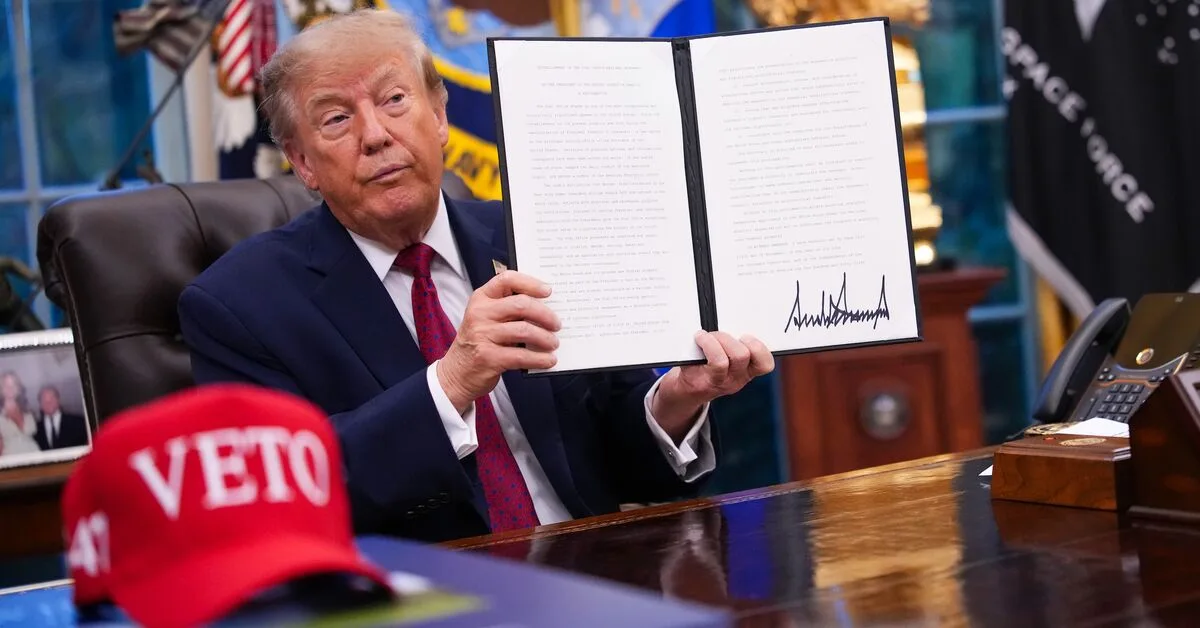
After the decisive victory of the Democrats in the U.S. midterm elections, Donald Trump quickly downplayed the likelihood of a new wave of Washington-led attacks against Iran. However, these results represent merely a brief respite for Arab capitals. Before the onset of conflicts, these countries faced only one major challenge: reducing their dependency on oil, but now they have three difficult missions ahead.
Read more: Analysis of China's First White Paper on National Security and Its Impacts on Iran
Recent analyses indicate that regional countries need to reduce their economic dependency on hydrocarbon resources, security reliance on the United States, and trade geography related to the Strait of Hormuz to move towards the future. Officials in these countries are increasingly speaking in similar terms about oil, security, and geography. Saudi Arabia claims that by 2030, oil prices will be of little importance to its economy, while Qatar emphasizes that its alliance with the U.S., though important, is no longer sufficient.
Development of New Industries and Reducing Dependency on U.S. Security
Meanwhile, Oman has questioned the role of foreign partners in ensuring regional security, and the United Arab Emirates has set a goal of reducing its dependency on the Strait of Hormuz to zero. Regional countries are currently seeking solutions on all three fronts and are turning to the development of new industries, including logistics, financial services, and data centers. They are also in search of new regional allies to reduce reliance on the U.S. security umbrella.
However, recent conflicts have put the effectiveness of these strategies to the test and significantly increased the risk of failure. Concerns exist that if Trump returns to power, the flames of war may reignite. This could disrupt Arab efforts to develop non-oil industries and target pipelines and ports.
In this context, Saudi Arabia, as the largest and most pivotal player in the region, has a different status. The Vision 2030 document was unveiled in 2016 with a promise to reduce oil dependency, but over time, this dependency has deepened. The need for higher oil prices to balance the budget reflects a greater reliance on hydrocarbon resources.
Ultimately, the Gulf states have still not been able to sever the umbilical cord of their economies from oil and gas, but they have succeeded in building world-class industries in finance, ports, airports, and tourism. The region is now investing in artificial intelligence and particularly data centers to inject fresh blood into its economy without completely eliminating hydrocarbon resources.
Read more: Possible Agreement Between Netanyahu and Trump on Gaza · Al Dakhiliyah Governorate of Oman Implements Infrastructure Projects Worth Over 103 Million Omani Rials