The United States, more than two months after Syria was removed from the list of state sponsors of terrorism by the previous administration, still faces export restrictions in the country. Key lawmakers in the United States believe that these restrictions hinder American investments in Syria.
Background and Context
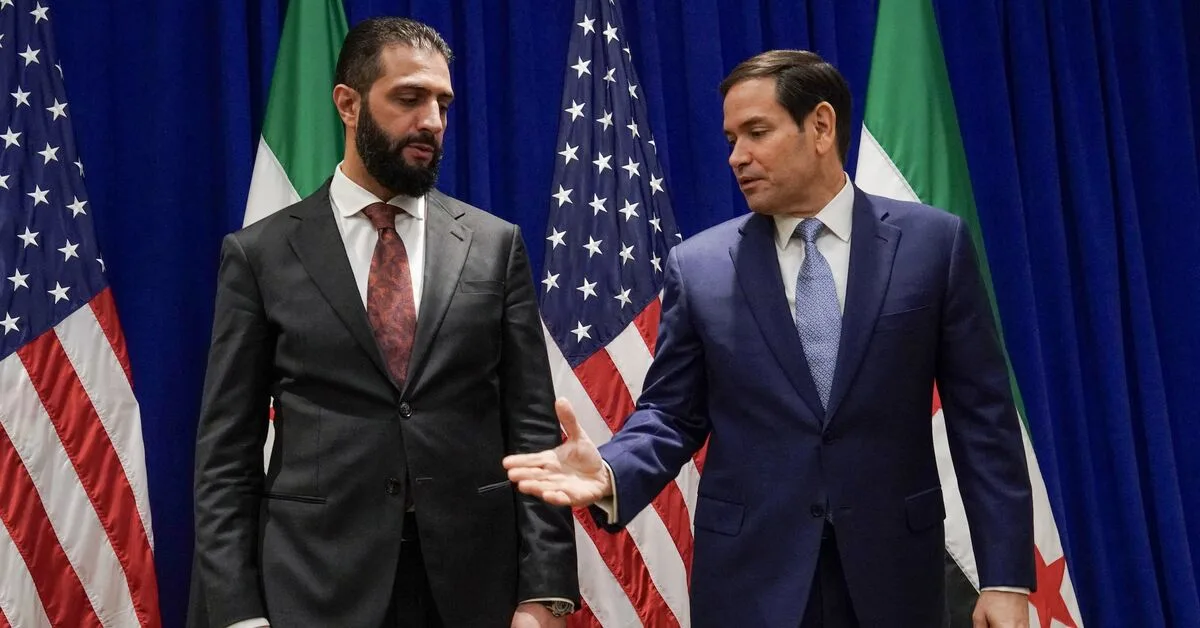
Marco Rubio, the U.S. Secretary of State, on August 24, officially revoked the designation of "state sponsor of terrorism" for Syria, calling this action a historic step towards helping the Syrian people rebuild their country after nearly 14 years of civil war. He emphasized that this decision would eliminate the main barriers to private sector investment in Syria.
Read more: FGREALTY Receives Platinum Award from Qatari Diar for Performance in Lusail
Export Restrictions and Their Impacts
After Syria was designated as a state sponsor of terrorism, it was classified under the E:1 export category by the U.S. Department of Commerce. This classification, which includes countries that support terrorism, imposes restrictions on the export of goods, technology, and U.S. software to Syria. Among these restrictions is the prohibition of exporting dual-use goods as well as foreign-made goods with more than 10% U.S. content.
In September 2025, the U.S. Department of Commerce eased some restrictions on civilian exports to Syria, but the country still remains in the E:1 category, and American companies need to obtain licenses from the Department of Commerce for restricted exports to this country. Experts believe that the lengthy licensing process, which can take months, has discouraged investors concerned about Syria's commercial future.
This situation has led many American investors to avoid entering the Syrian market, as they seek assurance of return on investment and stable conditions for their investments. For this reason, some lawmakers have requested the Department of Commerce to reduce these restrictions to facilitate attracting more investments in Syria.
Potential Consequences
Easing export restrictions could have positive impacts on Syria's economic situation and assist in the country's reconstruction. However, concerns remain regarding Syria's security and political situation, which could affect investors' decisions. It seems that U.S. lawmakers are seeking to strike a balance between economic interests and security issues, hoping to attract foreign investors to Syria by easing conditions.
Read more: Development of Economic Cooperation between Oman and China with the Presence of Sultan Haitham bin Tariq · Seyed Abbas Araghchi: Iran Has No Plans to Negotiate with the U.S.