The Gulf States are facing complex security challenges that have become particularly evident following Iran's recent attacks on their energy facilities and economic infrastructure. Recent research indicates that despite increased interception of Iranian missiles and drones, the damage inflicted on these facilities remains heavy and concerning.
Economic Damages and Defensive Challenges
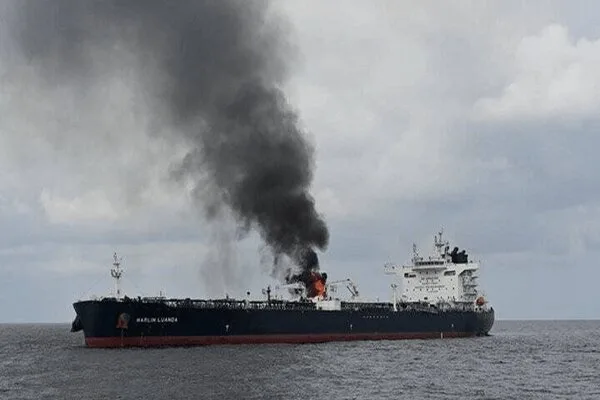
According to assessments, the damage to the energy infrastructure of the Gulf States is estimated at around $58 billion. This situation indicates that merely spending heavily on weapons and interception capabilities cannot alone prevent economic damages. Continued attacks, even with defensive successes, can disrupt economic and commercial activities and significantly increase defense costs.
Read more: Iran's Foreign Minister: Military adventurism in the Gulf threatens energy security
Dependency on American Weapons and Coordination Challenges
The heavy reliance of the Gulf States on American weapons and defense systems is considered one of the main weaknesses in the defense structure of these countries. While these countries have spent billions of dollars on weapon purchases, defense and military cooperation among them has not progressed sufficiently to enable them to defend against attacks in a coordinated and integrated manner. The research also points to a lack of mine-clearing capabilities and limitations in counterattack options as other weaknesses.
Moreover, the high costs of using advanced systems to counter inexpensive missiles and drones pose another challenge for these countries. Therefore, it seems that a review of defense strategies and military cooperation among the Gulf States is essential.
Political Developments and the Future of American Military Presence
Meanwhile, statements by Chris Murphy, a Democratic Senator from the United States, have also addressed the future developments of the American military presence in the region. He noted that the leaders of the Gulf States are seeking the reconstruction of American bases and the continuation of the U.S. presence in the region. However, he also mentioned doubts and spoke of the challenges facing the reconstruction of the bases and their protection capabilities.
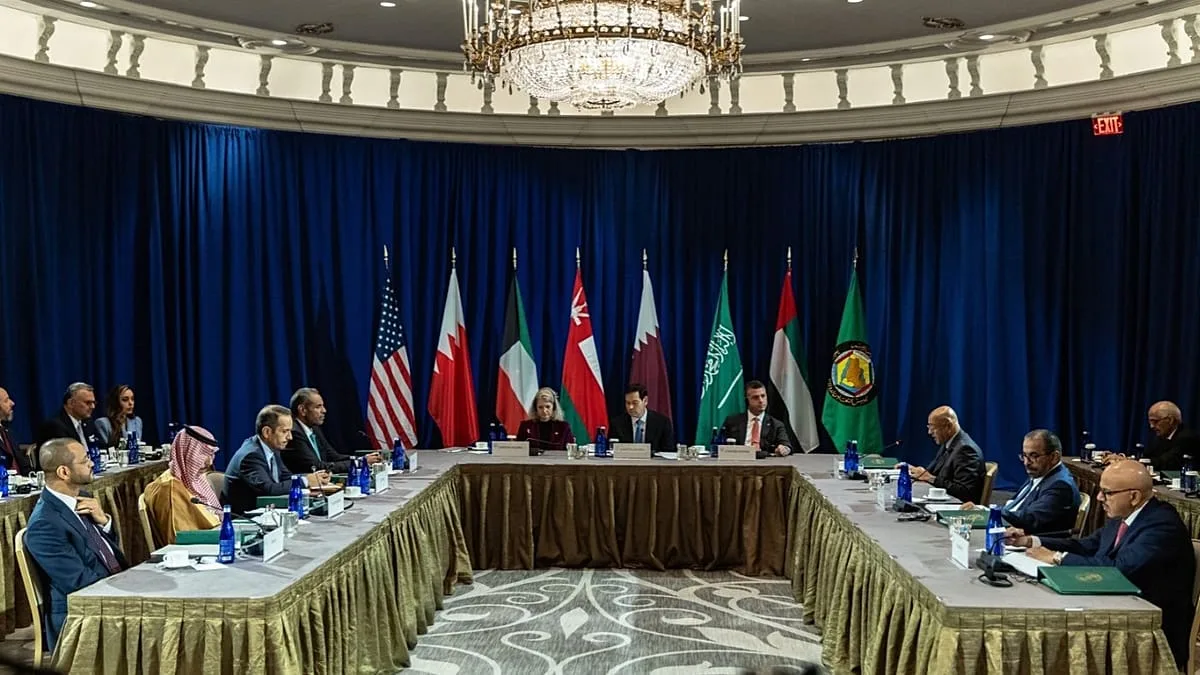
Alongside these developments, diplomatic efforts for dialogue with Iran continue. Qatar, as one of the active countries in this regard, has called for consultations among the Gulf Cooperation Council countries, Turkey, and Pakistan. These contacts could help reduce tensions and prevent retaliatory attacks, but the continued request from regional countries for a U.S. military presence indicates their lack of confidence in security.
Overall, assessments show that the Gulf States need to review their defense strategies and military cooperation to effectively respond to security threats, especially from Iran.
Read more: The Gulf and the Challenges of Energy Infrastructure Following Wars · The Schedule of the Iranian Islamic Consultative Assembly Sessions Next Week