The United States government, led by Donald Trump, has challenged the principles of the rule of law with new actions, showing that it may view these principles as obstacles to power. The first action was to intensify pressure on the International Criminal Court (ICC) and sanction this institution. Additionally, the announcement of an agreement with Russia for the purchase of diesel fuel has added new dimensions to this matter.
Challenges to the Rule of Law
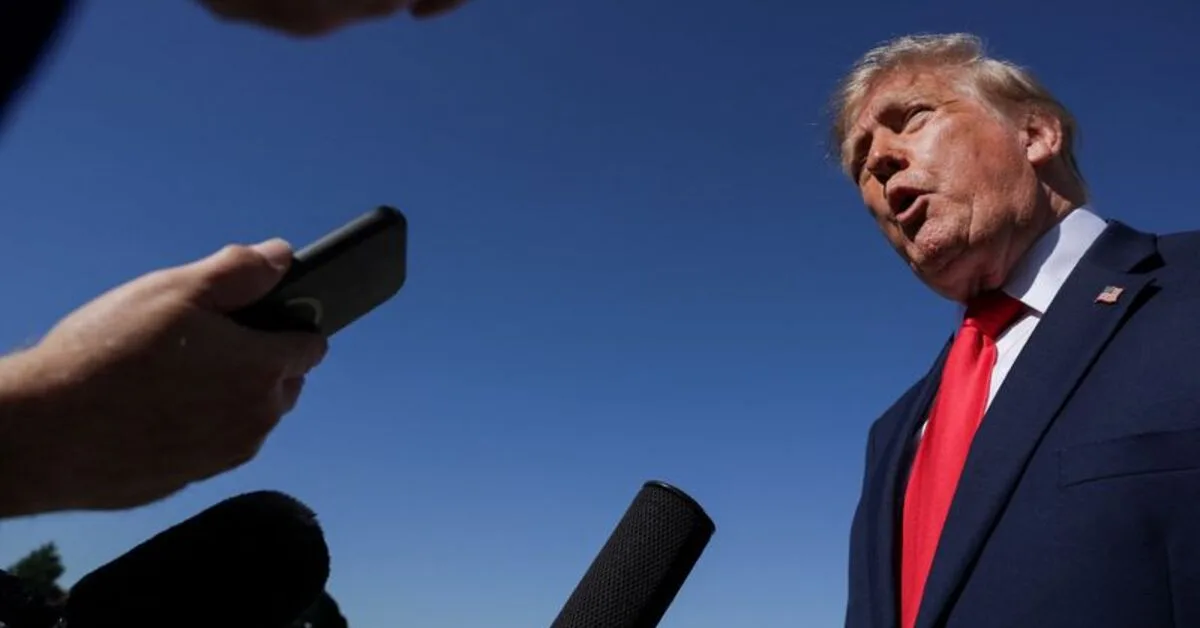
The United States government has historically been recognized as a defender of the rule of law, but it now seems that this approach has turned into a dilemma. Trump has clearly stated that "my personal ethics" is the only limitation that governs him. This approach not only undermines global principles but also damages the legitimacy of international institutions.
Read more: Vladimir Putin proposed helping Iran to end the Middle East war
Agreement with Russia and Its Consequences
Weeks before the midterm elections, Trump justified Ukrainian attacks on Russian energy facilities as a reason for rising diesel prices. While the reality is that his illegal war against Iran has been the main factor behind these price increases. Recent attacks on Riyadh International Airport, which appear to be the work of Tehran-backed Houthis, indicate that Trump cannot easily sidestep this conflict.
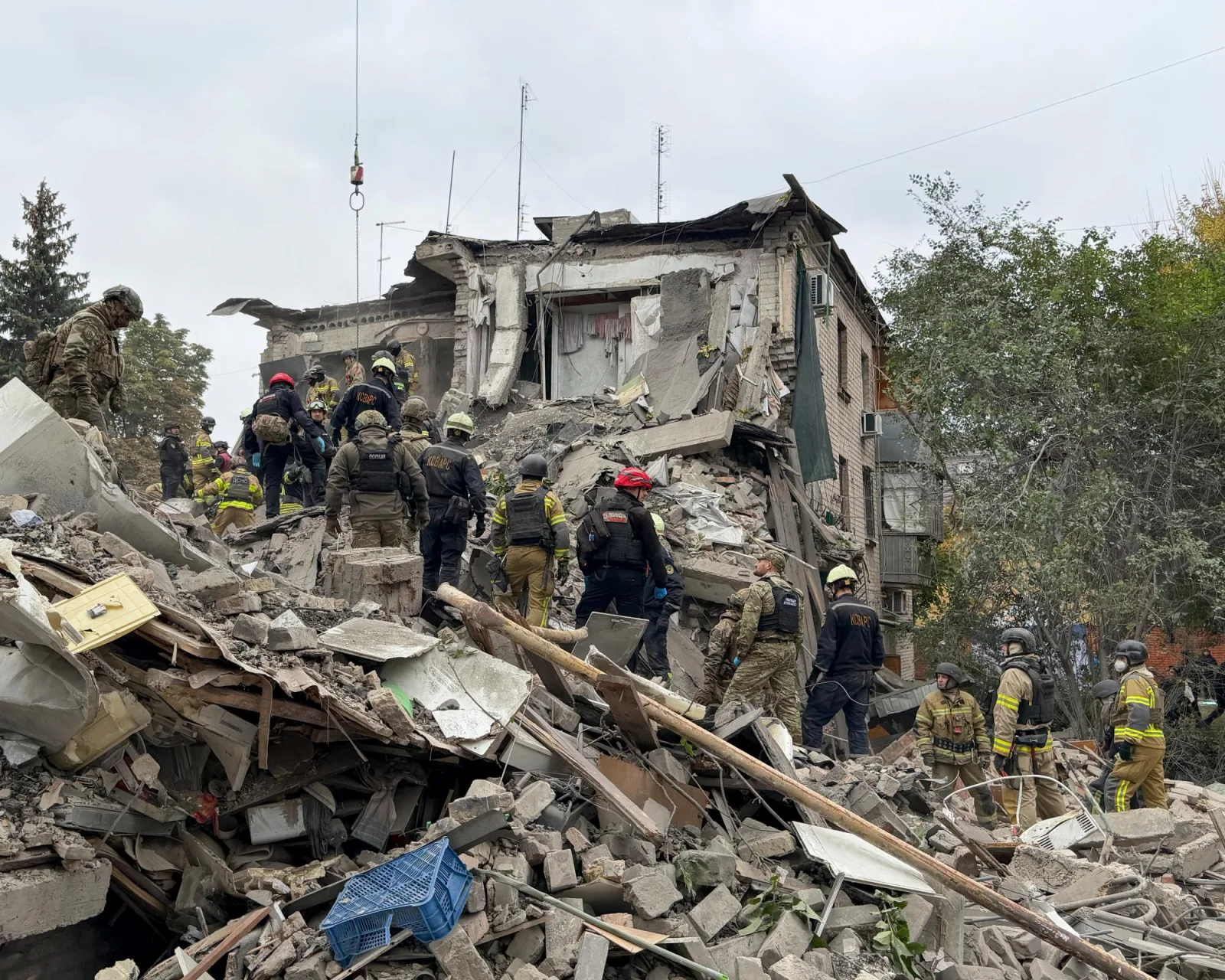
The agreement with Moscow does not seem likely to result in significant shipments, as the Russian military needs diesel fuel. However, the message of this agreement should be conveyed to Ukraine to ease conditions for Vladimir Putin. This is while Putin himself initiated the illegal war and his forces have attacked civilians. Nevertheless, Trump has criticized Volodymyr Zelensky, the President of Ukraine, for his inability to achieve a peace agreement, insisting that he should step down.
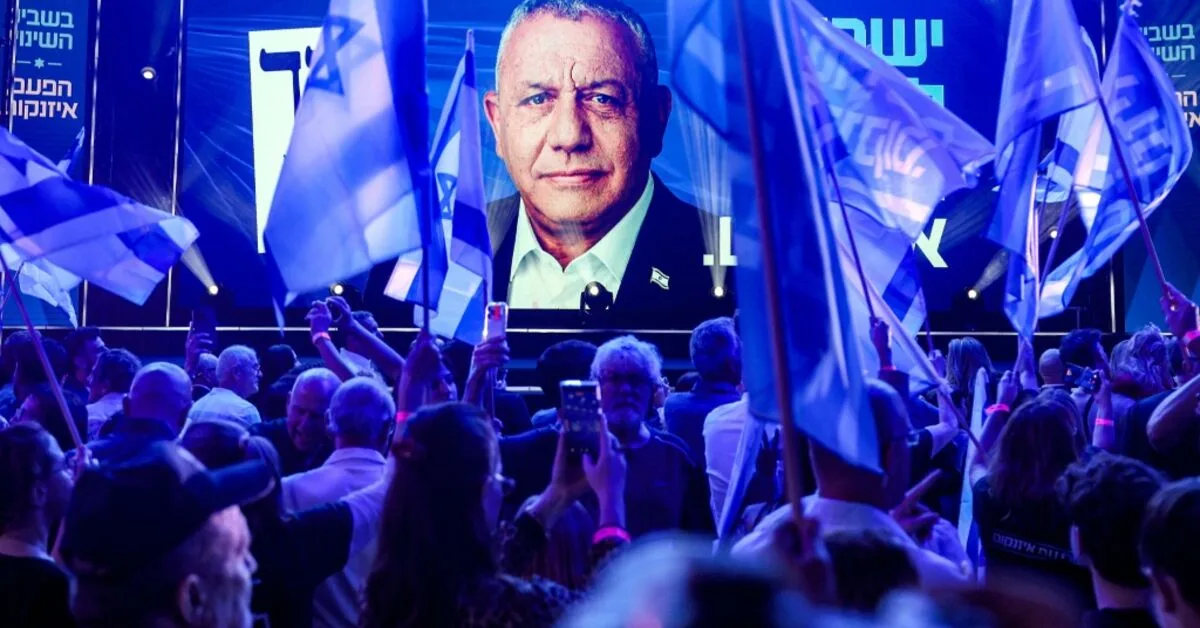
Trump's actions against the International Criminal Court have been intensified partly due to this institution's investigations into Afghanistan and subsequently issuing arrest warrants against Benjamin Netanyahu and Yoav Gallant, the former Israeli Defense Minister. Marco Rubio, the U.S. Secretary of State, has announced that companies have six months to reduce their relations and has urged U.S. allies to pressure the court: "Either the International Criminal Court stops its threats, or we will end this court."
International Responses and Emphasis on Justice
In response, the Nobel Committee announced on the same day that this year's peace prize winner is Navi Pillay, former judge of the International Criminal Court and head of the UN Commission, who concluded last year that Israel committed crimes against humanity in Gaza. This selection not only points to an impressive track record but also serves as a reminder that institutions defending global principles are under increasing pressure and must be defended. The committee emphasized: "Peace requires justice."
The International Criminal Court has stated that it cannot act alone. Britain, the European Union, and other countries have rightly criticized the U.S. decision and expressed their commitment to the court. They must also show similar determination in support of Ukraine.
Read more: Death of 139 migrants in a boat sinking incident on the route from Djibouti to Yemen · Discussion between senior diplomats of the U.S. and India about sanctions on Russia