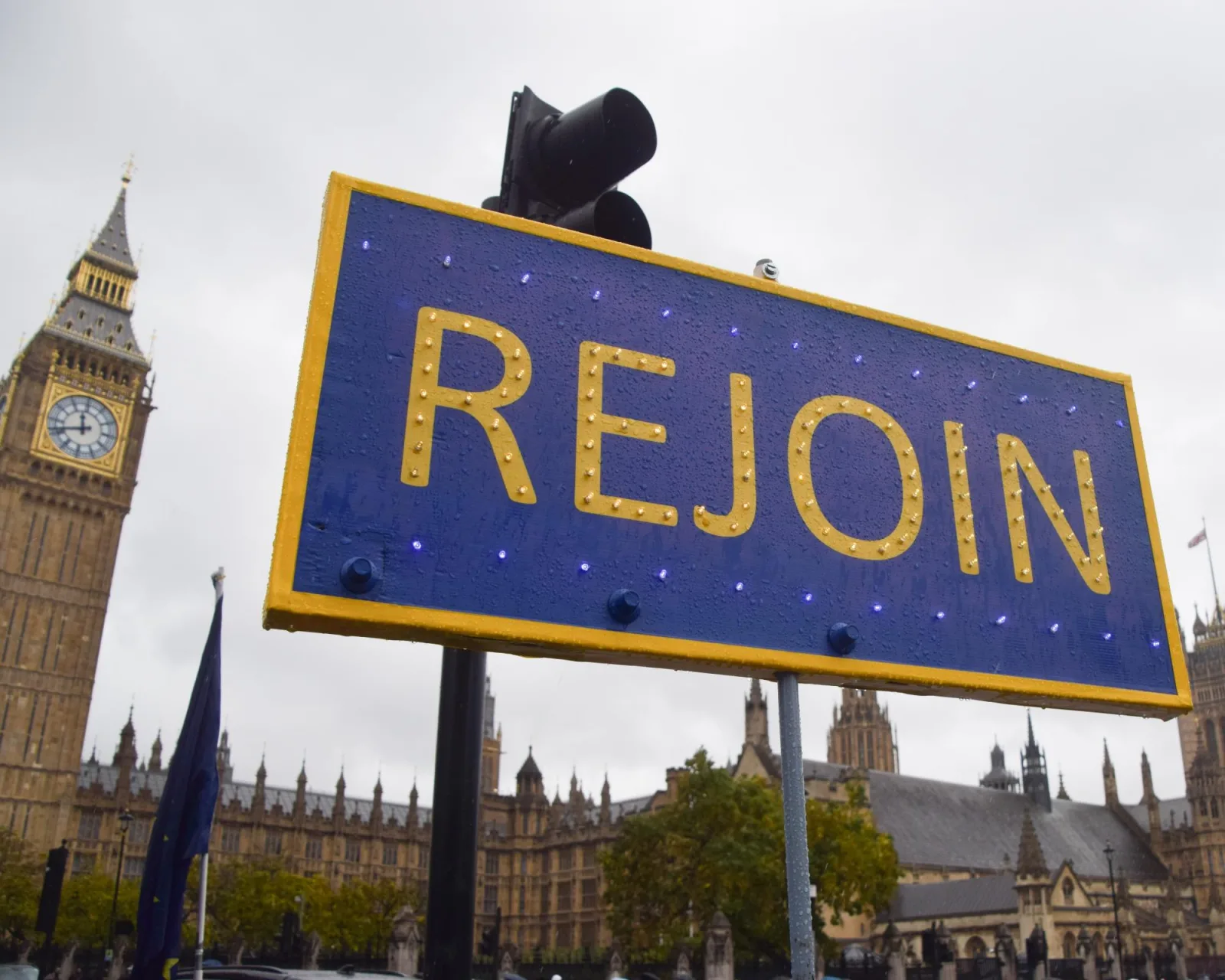
Andy Burnham, the Mayor of Manchester, is attempting to initiate new discussions about Brexit in Britain. Especially as polls indicate that nearly 60 percent of Britons consider Brexit a mistake and close to a quarter of those who participated in the referendum now regret their decision, Burnham has emphasized the need for dialogue on this matter.
Economic Implications of Brexit
Although initial predictions about an economic crisis resulting from Brexit were incorrect, the costs of severing ties with Britain's largest trading partner are estimated to be between 6 to 8 percent of GDP. This is recognized as one of the largest self-harming actions by a British government in contemporary times.
Read more: Review of military options against Iran by the CENTCOM commander at the White House
A year ago, Keir Starmer, the leader of the Labour Party, reduced some barriers and signed agreements on youth exchange and meat exports. Burnham intends to expand this process and resume negotiations with Brussels next month. He pointed out the damage inflicted on the automotive industry in the House of Commons and added that the agricultural sector is affected by dozens of pages of regulations.
Possibility of a Middle Ground Brexit Model
Burnham has emphasized that he does not want to betray the Labour Party's 2024 election promise to respect the referendum result in this parliament. However, he hopes that discussions about Brexit will be revived and that it can one day be reversed. He referred to a "honest and open dialogue" regarding the future negotiation path and also mentioned the possibility of free movement for holders of EU passports.
This topic faced strong reactions from Brexit supporters in Westminster. Nigel Farage, from the Reform Party, described it as "betrayal" and "disaster." However, some analysts believe that there may be a middle ground model for Brexit that includes a special status for Britain in a broader European economic area.
In fact, Britain has always had a dual feeling towards European unions. Ireland and Denmark previously reversed anti-EU referendums through negotiations with Brussels, while David Cameron offered no solutions in 2016 and simply resigned.
During the parliamentary debates following the referendum, it was clear that many representatives supported the "soft Brexit" option. A responsible parliament at that time could have formed a coalition to pursue such an option. However, the Labour Party under Jeremy Corbyn preferred to exploit Theresa May's internal conflicts and left the way open for Boris Johnson and his supporters of "hard Brexit."
One solution could be to do what was not done in 2016, namely to establish a strong cross-party committee in the House of Commons to oversee the November negotiations. This committee should focus on reducing trade barriers and growing and promoting cultural and security relations with Europe. In short, Europe needs such a focus, and this matter should be agreed upon in Westminster.
Read more: The rift in the Persian Gulf over Iran's future and the approach of the UAE, Qatar, and Saudi Arabia · Unexpected decrease in unemployment rate in Britain before the budget