Jose Playo, Deputy Director of Strategic Initiatives and Policy at the "Scowcroft Middle East Security Initiative," has analyzed the differences among Gulf countries in facing Iranian threats. He believes that eight months after the onset of the Iran war, the member states of the Gulf Cooperation Council have reached different outcomes regarding their security and dealings with Tehran, despite facing a common threat.
Differences in Approaches and Their Consequences
Playo points out that the United States must take these differences into account in its policies and refrain from treating the Gulf Cooperation Council as a single entity with uniform positions. He presents this analysis based on his experiences from an informal diplomatic meeting in Abu Dhabi and his subsequent meetings with officials, diplomats, and analysts in Kuwait.
Read more: Lloyd Austin: There is no easy way to exit conflicts in the Middle East
According to Playo, the principle of alignment of Gulf countries with the United States was not questioned in any of these discussions, but many participants expressed doubts that Washington's policy would be coordinated with regional changes and the differing approaches of council members towards Iran, arms purchases, and regional diplomacy.
Crises and Security Challenges in the Persian Gulf
The author argues that the Iran war has exacerbated the existing differences among Gulf countries; differences that were evident even before the war on issues such as normalizing relations with Israel, relations with Tehran, and the level of cooperation with China. The 2017 crisis and the blockade of Qatar by Saudi Arabia, the UAE, and Bahrain is also considered a key factor in undermining trust within the Cooperation Council.
In terms of relations with Israel, Bahrain and the UAE have joined the Abraham Accords, but Saudi Arabia has not yet followed this path, and Oman and Kuwait have opposed normalization of relations. This diversity in approaches reflects a lack of alignment in the security and diplomatic policies of the Gulf countries.
After months of missile and drone attacks and the failure of diplomatic initiatives to achieve a sustainable agreement, many regional capitals have more clearly defined their interests and have less hesitation in acting accordingly.
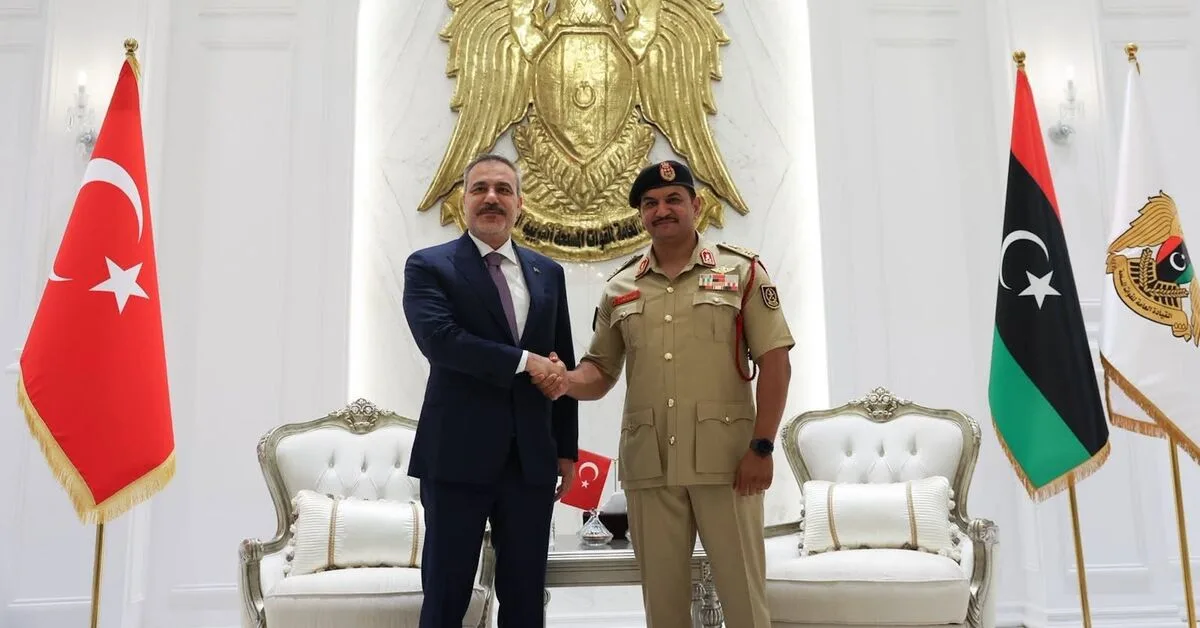
Meanwhile, the differences within the Cooperation Council have led to the emergence of defense agreements among Saudi Arabia, Turkey, and Pakistan. This agreement has resulted in the implementation of collective defense commitments, with Pakistan sending forces to Saudi Arabia. The UAE's absence from this agreement is attributed to Abu Dhabi's reluctance to join a coalition against a specific country and recent tensions with Riyadh.
Ultimately, Playo believes that Gulf countries, considering their security threats and immediate needs, may turn to other suppliers. These changes, especially in the area of arms purchases, are defined as a practical response to security needs.
Read more: Pakistan continues efforts for an agreement between the U.S. and Iran · Iran's Revolutionary Guard Navy reported targeting seven vessels