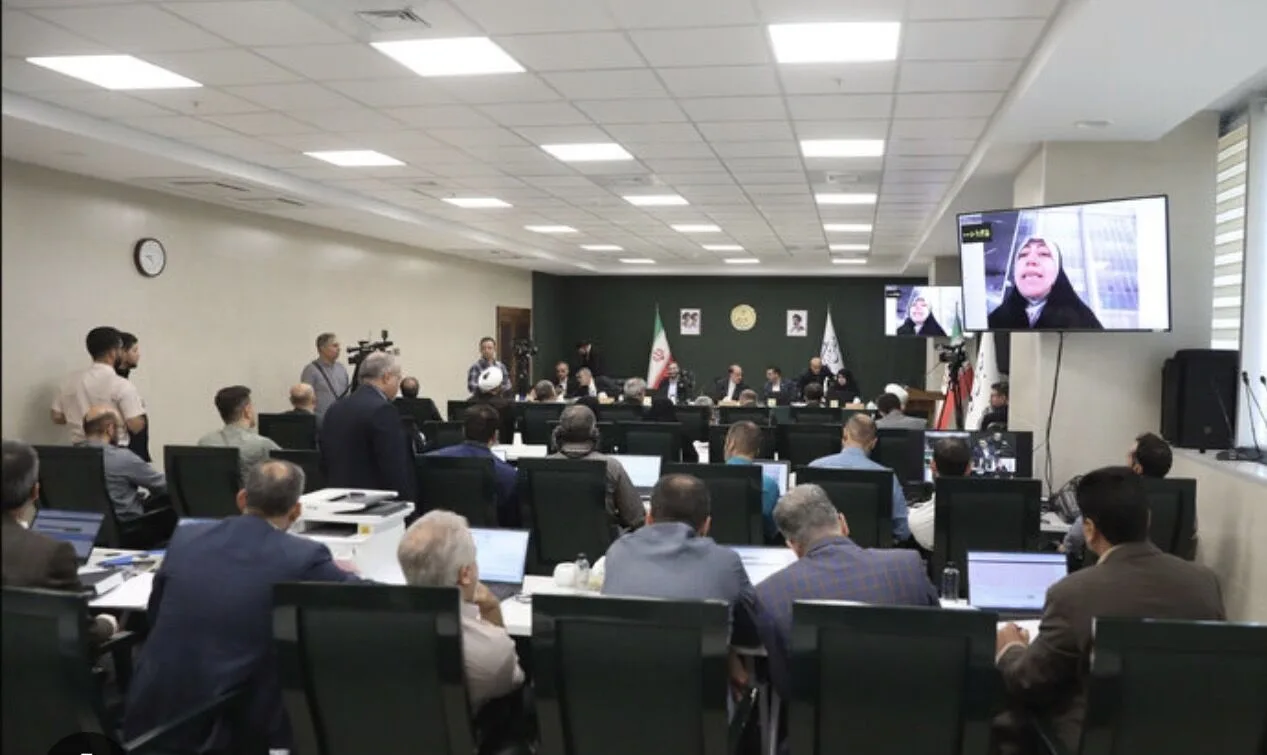
The Islamic Consultative Assembly of Iran, in a webinar session held on Sunday, October 5 of this year, officially announced the receipt of 17 bills by Somayeh Rafei. These bills have been prepared and presented to strengthen legal infrastructure and facilitate economic relations with various countries, including the Sultanate of Oman.
Details of the Announced Bills
Somayeh Rafei presented the details of the bills in this session and announced that 12 bills were approved in a regular manner based on Article 141 of the Internal Regulations of the Assembly. Among the most important of these bills are the amendment of the Political Parties Law, the trade agreement between Iran and the Sultanate of Oman, and the treaty on the transfer of convicted persons to imprisonment between the Islamic Republic of Iran and the Federal Government of Brazil.
Read more: China and the United States: No New Agreement on Iran at the Xi and Trump Summit
Trade and Customs Agreements with the Sultanate of Oman
Among the announced bills, trade and customs agreements with the Sultanate of Oman have been highlighted as one of the key areas of cooperation between the two countries. The preferential trade agreement bill and the administrative mutual assistance agreement bill in customs matters are among the measures aimed at facilitating trade and reducing trade barriers between the two countries. These agreements can help strengthen economic relations and increase the volume of trade between Iran and Oman.
Additionally, Rafei mentioned 5 other bills that have been announced in a regular manner. These bills include amendments to certain provisions of the Commercial Law regarding bankruptcy, the Commercial Procedure Bill, and the amendment of the Public Accounting Law, which aim to improve economic and legal processes in the country.
Legal and Economic Consequences
These bills have been reviewed as part of the ongoing efforts of the Islamic Consultative Assembly to improve and facilitate legal and economic processes in the country. The approval of these bills could help enhance the business environment and increase investment in the country. Furthermore, trade agreements with Oman could serve as a model for expanding economic cooperation with other countries in the region.
Overall, the announcement of the receipt of these bills reflects the determination and will of the Islamic Consultative Assembly to create the necessary legal infrastructure for the development of economic and trade relations with neighboring countries and others. In this regard, it is expected that these actions can strengthen the country's economy and increase public welfare.
Read more: Mazood Pezeshkian reported Iran's willingness to negotiate with the United States · 12.7% increase in credit granted by banks in Oman