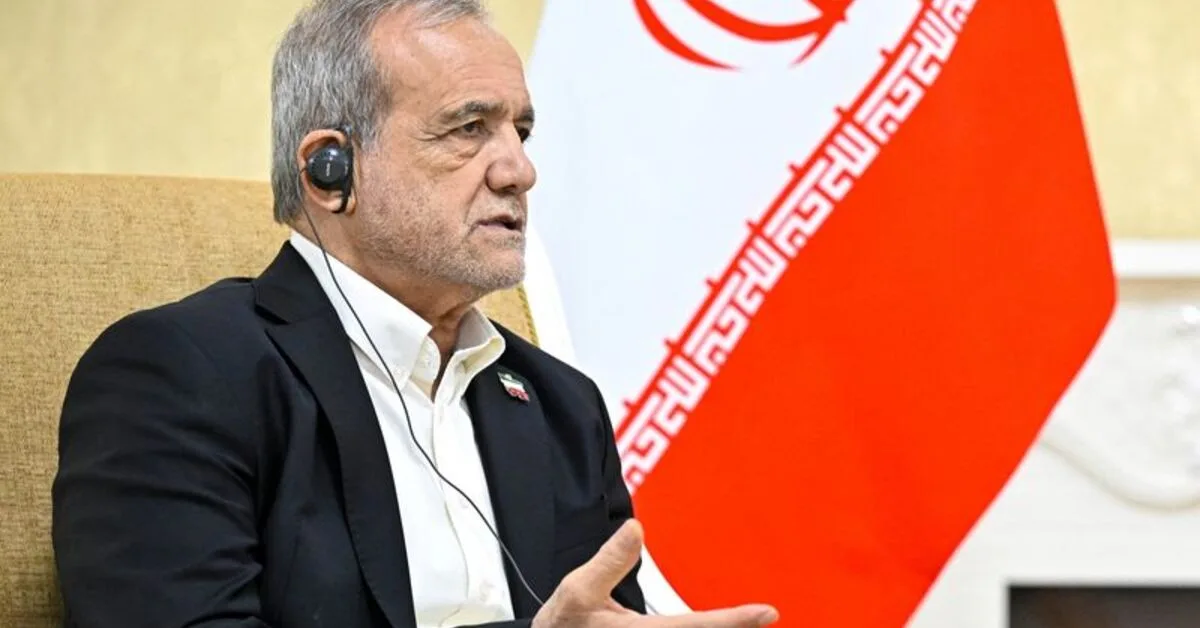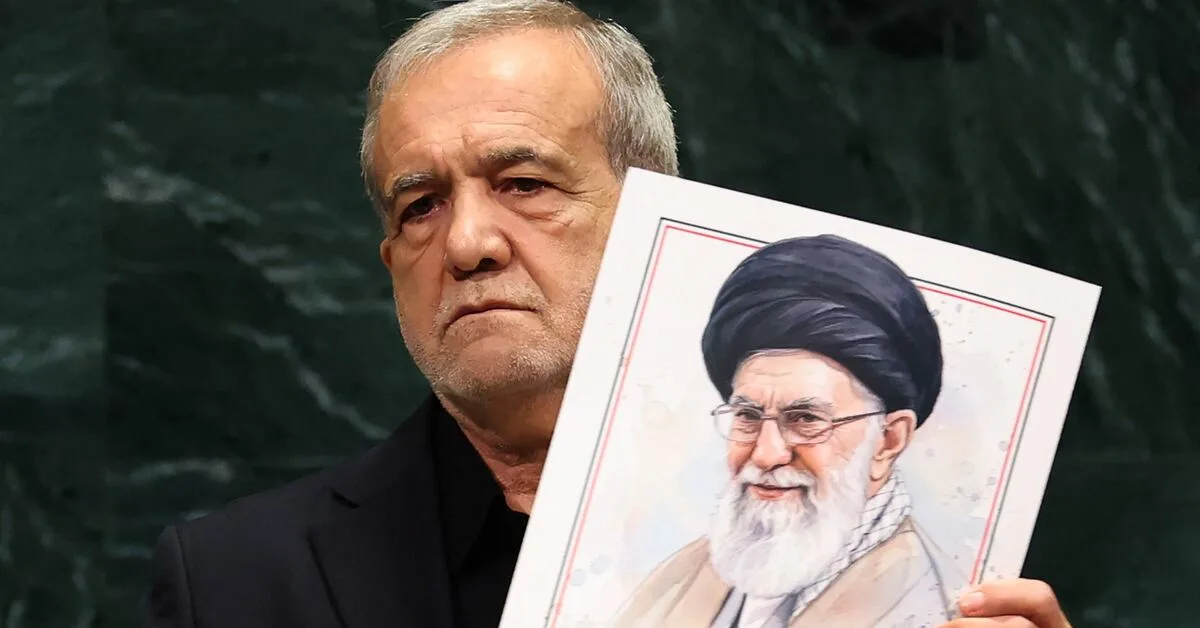
Mazoud Pezeshkian, the President of Iran, on Wednesday delivered a rare speech on U.S. soil, firmly stating his country's positions at the United Nations General Assembly. While defending Iran's military responses in recent months, he announced that Tehran remains open to diplomacy, although he did not provide many details regarding the upcoming diplomatic path.
Consequences of Pezeshkian's Speech
Pezeshkian emphasized in this speech the necessity of resolving disputes solely by the countries of the region and criticized the United States and Israel. He stated: "We have been victims of terrorism" and referred to the assassination of Ayatollah Ali Khamenei on February 28 in a joint U.S.-Israeli attack. He also mentioned the bombing of a girls' school in the city of Mina on the same day, which resulted in the deaths of over 100 children.
Read more: The United States and Iran engaged in dialogue on the sidelines of the UN General Assembly
Analysis of the International Community
Analysts believe that Pezeshkian's speech could be a sign of a shift in Iran's policymaking, especially regarding negotiations with the United States. Although he did not delve into the details of recent negotiations, Iran's willingness for diplomacy indicates a new approach in the country's foreign policy. At the same time, Pezeshkian emphasized the human dimensions of this crisis by displaying images of school victims and called on the international community to reconsider its policies.
A preliminary U.S. intelligence assessment in March indicated that U.S. forces were likely responsible for the February 28 attack, but stressed that the school was not deliberately targeted. Meanwhile, an independent UN investigative mission reported this month that the United States failed to properly verify information before targeting the school and stated that there are reasonable grounds to believe that this attack constituted a war crime.
In conclusion, Pezeshkian's speech at the United Nations General Assembly can be seen as a positive sign for the future of Iran-U.S. relations, although there is still a need for specific and constructive actions to improve international relations.
Read more: The cost of the war in Iran reached 38 billion dollars · Iran presented the conditions for reopening the Strait of Hormuz to the U.S. representative