Bahrain, with years of U.S. military presence, has always viewed this presence as a factor for ensuring the survival of the Al Khalifa monarchy. However, recent Iranian attacks on the U.S. Fifth Fleet base in the country have clearly revealed the vulnerability of this strategy. Now, Manama is in a critical situation, experiencing economic problems, erosion of defensive capabilities, and a resurgence of internal protests.
Iran's Attacks and Their Impact on Bahrain's Security
Iran's attacks on the American base in Bahrain have not only challenged one of the most important security equations in the Persian Gulf but have also turned this base into one of the main targets of the attacks. Damage to military infrastructure, including command centers and equipment storage, has disrupted U.S. operational activities and has pushed it towards greater reliance on the Diego Garcia base located 2,200 miles away.
Read more: Bahrain and the Intensification of Pressure on Shia Clerics Following the Iran War
Admiral "Daryl Cadle" has also explicitly stated that the U.S. Navy will not be able to return to its previous operational status in Bahrain in the near future. This indicates that hosting the U.S. military has not only failed to prevent Bahrain from entering a war but has also exposed the country to the direct consequences of tensions between Washington and Tehran.
Bahrain's Economic and Social Challenges
Bahrain's vulnerability is not limited to the military domain. About 70% of the country's government revenue depends on oil and gas, and the attack on the Sitra refinery, one of Manama's key revenue sources, has dealt a serious blow to Bahrain's economy. Additionally, Bahrain Aluminum, one of the largest industrial companies in the country, is facing serious problems due to traffic disruptions and damage to its facilities.
The International Monetary Fund has predicted that Bahrain's economy will face an 11.3% contraction in 2026. The country's public debt has also exceeded 160% of its GDP, and the decline in foreign reserves from $4.8 billion to about $1.5 billion highlights the depth of financial problems.
In this situation, Manama has once again become reliant on the help of its neighboring countries, especially Saudi Arabia and the UAE. Recent currency exchange agreements and the possibility of repeating support packages are signs of efforts to prevent a financial crisis, but it should be noted that such assistance may come with new demands for financial reforms and cuts in public spending.
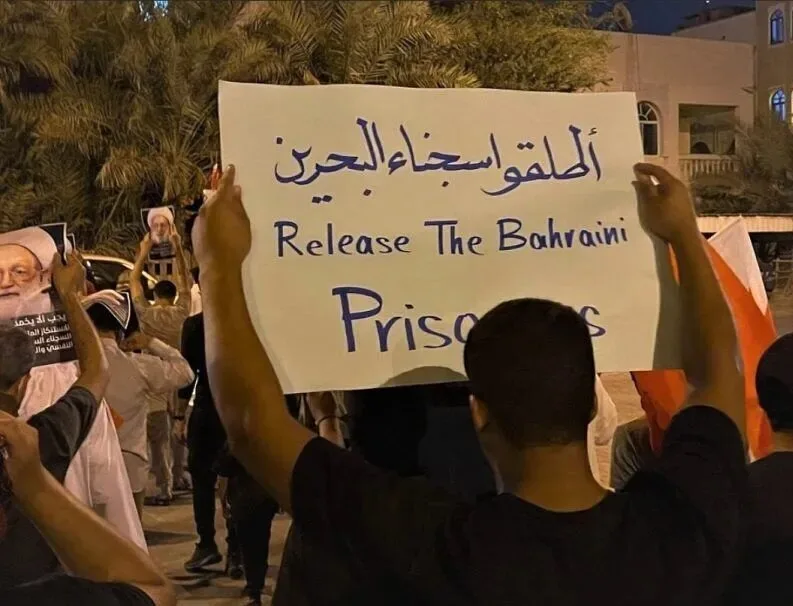
Despite Bahrain's political closeness to Washington and Tel Aviv, the country still depends on Saudi Arabia for its economic and security survival. Internal crises and the recent arrests of clerics and political activists also indicate deep social and political wounds in the country. Statistics show that only in the first eight months of 2026, 825 people have been arrested in Bahrain.
Protests in Shia-majority areas, especially around Manama, are spreading, and the trial of dozens of detained clerics has raised concerns about escalating unrest. These developments are reminiscent of the uprisings of 2011, when the Bahraini government resorted to military support from Saudi Arabia to suppress protests.
The Al Khalifa is now faced with a difficult equation; its military ally has failed to prevent the country from becoming a battlefield, its economy is on the brink of collapse, and internal rifts are widening. Bahrain needs foreign support more than ever, but this dependency has limited its political and security choices.
Read more: The Conversation Between Mohsen Rezaei and Vladimir Putin on Middle Eastern Developments · Iran Announced the Strengthening of Its Military Forces Since the Start of the War with America