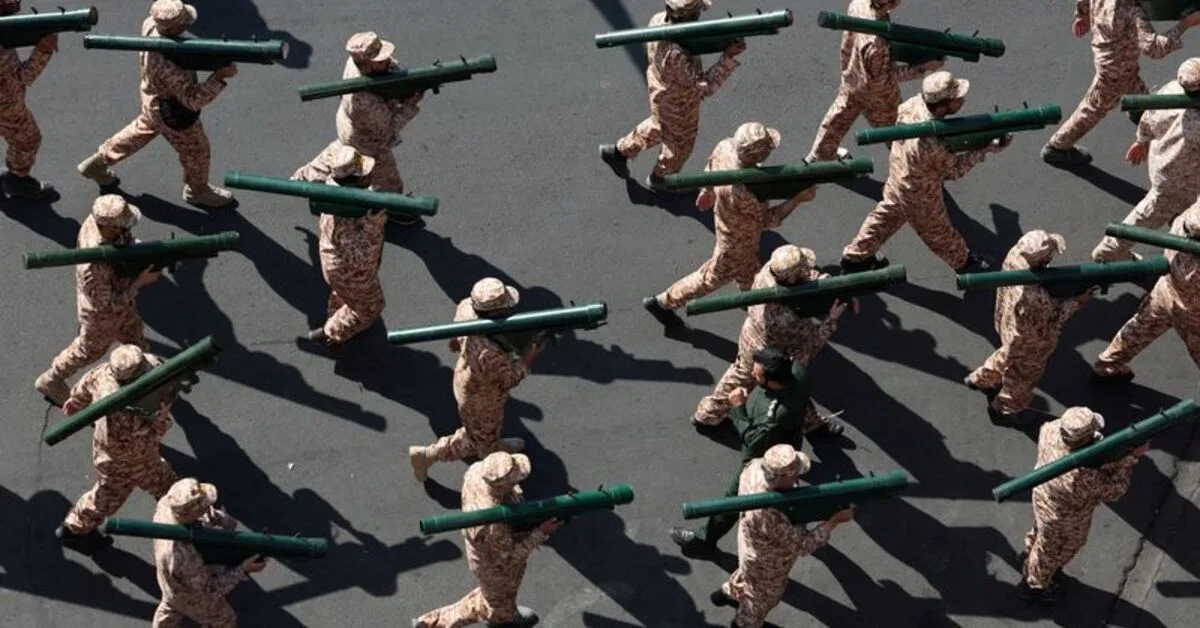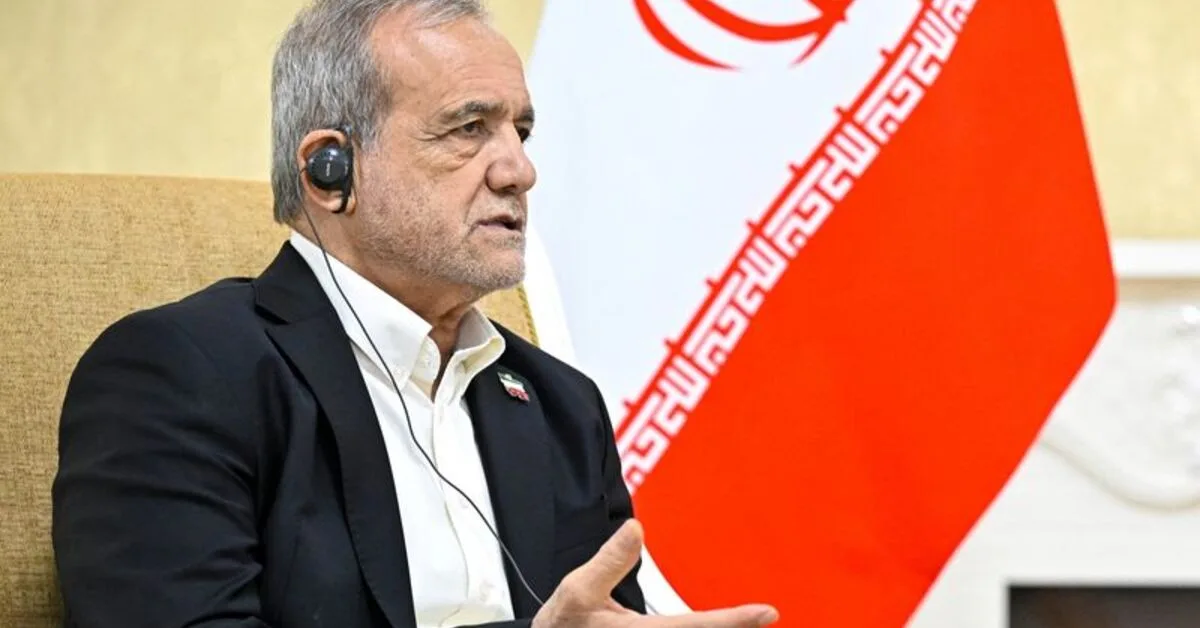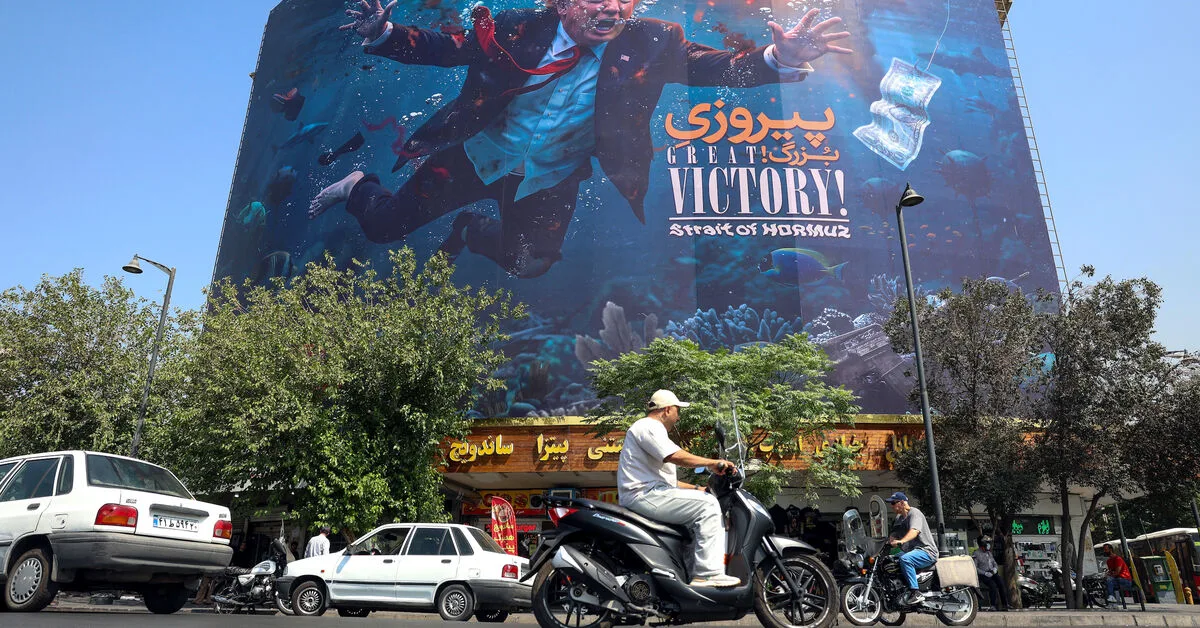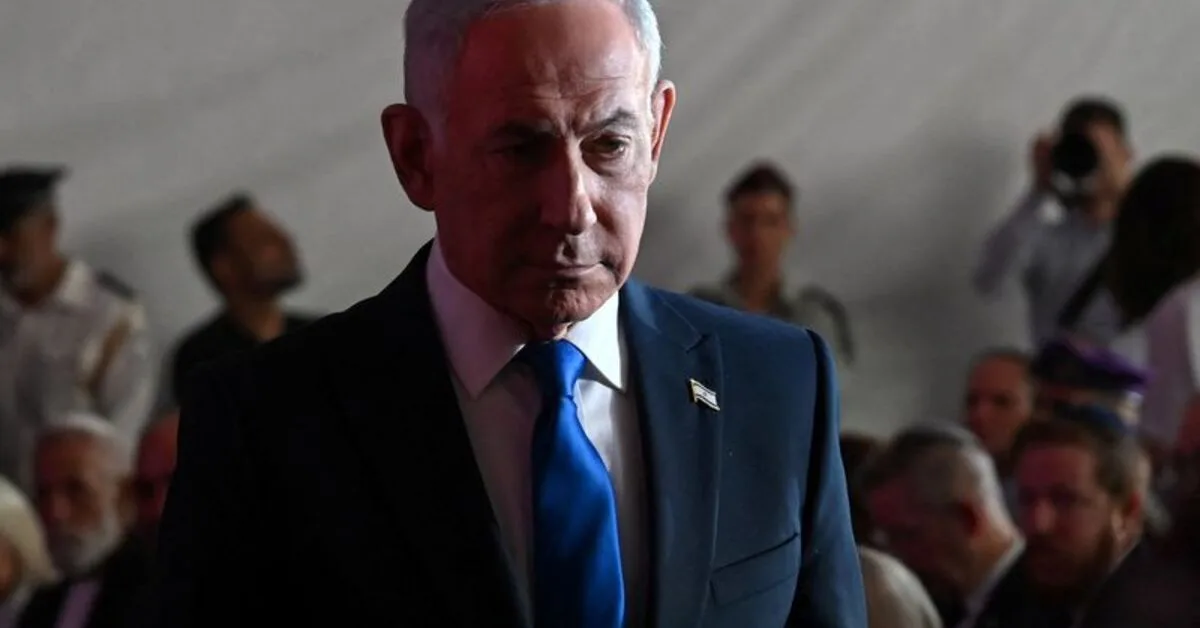
Benjamin Netanyahu, the Prime Minister of Israel, stated in an interview with Israel Army Radio that he is not inclined to a preemptive strike against Iran before the upcoming Israeli elections. These remarks come as tensions between Israel and Iran have sharply increased, and Netanyahu responds to political criticisms from his rivals who accuse him of seeking military conflict before the elections.
Netanyahu's Warning to Iran
In this interview, Netanyahu emphasized: "This is not suitable for us and it is not good." He warned about Tehran's actions and its affiliated forces, adding: "Even if Iran fires missiles at us, they will blame me." The Prime Minister of Israel also continued to threaten Iran, stating that Israel will respond vigorously to any attack.
Read more: The United States and Iran: Diplomacy in the Shadow of Military Pressure
Netanyahu did not refer to further details regarding the possibility of a preemptive strike after the elections or his recent discussions with Washington about Iran in this interview.
Regional Tensions and Houthi Attacks
Since February 28, the United States and Iran have been in a state of war that began with reciprocal attacks. Israel and Iran have not exchanged fire since last June, but tensions remain high. In response to a question about assisting Saudi Arabia against Houthi attacks from Iran, Netanyahu said: "I do not get involved in these matters. I can only say that many countries in the Middle East are reaching out to us and benefiting from our great successes and achievements."
Saudi Arabia has faced an increase in Houthi attacks in the past week, the latest being an attack on Riyadh airport that claimed 13 lives.
Netanyahu also warned that Iranian-affiliated forces are attempting to attack Israel before the elections. Israeli Defense Minister Israel Katz warned from the security zone declared by Israeli forces in southern Lebanon to Hezbollah, stating: "Hezbollah will suffer a severe blow, and additional territories in southern Lebanon, including Nabatieh and Litani, will become part of Israel's permanent security zone. The Israel Defense Forces (IDF) are prepared to carry out this maneuver."
Katz also announced that one million Shiites will be forced to leave their homes, and Hezbollah's headquarters in Beirut will not be safe. This year, Israel has coordinated airstrikes and ground incursions in southern Lebanon alongside the war in Iran, after Hezbollah fired at Israel.
These conflicts have led to the displacement of hundreds of thousands from the Shiite community in Lebanon, who are supporters of Hezbollah. This situation clearly reflects the increasing tensions in the region and the security challenges facing Israel.
Read more: Hossein Mousavian: There is no military solution to the Iran-U.S. crisis · Consultation between Seyed Abbas Araghchi and Seyed Badr al-Busaidi on regional developments