Luiz Inácio Lula da Silva, the President of Brazil, clearly stated in his speech at the United Nations General Assembly in New York: "Brazil does not belong to anyone's backyard." These remarks were particularly directed at his American counterpart, Donald Trump, who was not present at the session.
Political Impacts of the United States on Brazil
The Trump administration has consistently intervened in Brazil's internal affairs and supported Jair Messias Bolsonaro, the former President of Brazil, and his right-wing opponents. In July, Trump imposed sanctions on the judge who had accused Bolsonaro of attempting a coup and sentenced him to 27 years in prison. These sanctions were lifted only after negotiations with Lula.
Read more: Barham Salih: Sustainable peace is the best solution for forced displacement
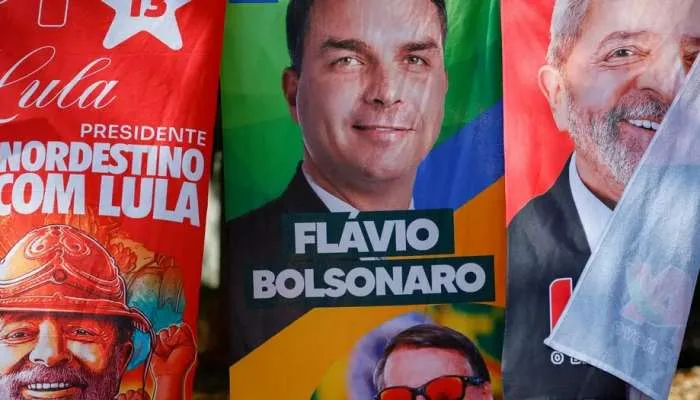
Flávio Bolsonaro, the eldest son of Jair Bolsonaro, is Lula's biggest rival in the upcoming presidential election on October 4, and polls indicate that the two are closely matched for a potential runoff.
Electoral Consequences for Brazil's Foreign Policy
The elections in the fifth-largest country in the world have attracted significant attention. Brazil, as an agricultural giant with rich natural resources, particularly in rare elements and oil reserves, holds high importance.
Lula is seen as the last barrier for leftists in South America, while Flávio Bolsonaro is part of a right-wing approach that is spreading in neighboring countries like Argentina, Bolivia, and Colombia. This election will determine whether Brazil moves closer to the United States under Trump's leadership.
While foreign policy has not played a major role in this campaign, this election could be decisive for future trends in Brazil's relations with the United States and China. Lula advocates for multilateral diplomacy and seeks to expand trade relations with all countries, while Flávio Bolsonaro leans towards a conservative alliance with the United States and other right-wing countries.
Some analysts believe that Bolsonaro's victory could harm Brazil's relations with BRICS, as he has hinted at considering Brazil's exit from this coalition, which includes other major countries. However, due to Brazil's economic dependencies on China, it is unlikely that it can easily reduce its relations with this country.
Read more: UK police arrested five near an airbase on terrorism charges · Gulf countries are diversifying their security and military relations