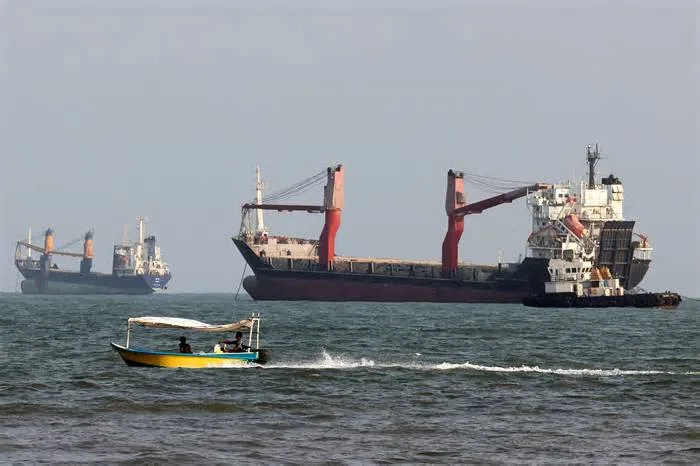
In recent days, Iran has announced a controversial plan to establish a maritime restriction zone in the Strait of Hormuz. This move comes as tensions between Tehran and Washington have reached a peak, raising concerns about the security of shipping in this strategic area.
The Sensitive Position of the Strait of Hormuz
The Strait of Hormuz, as one of the most important shipping routes in the world, sees nearly 20 percent of the world's crude oil passing through it. In recent years, Iran has repeatedly threatened that it could block this area in the event of serious tensions. Now, with the new plan, Tehran is seeking to impose further restrictions in this vital waterway.
This plan clearly indicates Iran's serious determination to strengthen its control over the Strait of Hormuz. But the question is, does Iran really have the capability to implement this plan? Given the current military and political situation, it seems that this action will face many challenges.
Tensions and Challenges
Increasing tensions between Iran and the United States, as well as other countries, could significantly impact the implementation of this plan. The United States and its allies have clearly stated that any attempt by Iran to impose restrictions in the Strait of Hormuz will be met with serious responses. Meanwhile, Iran is also heavily working on strengthening its naval forces and testing new weapons.
As a result, it seems that implementing this plan under the current conditions carries many risks. Can Iran successfully impose these restrictions, or is this merely a propaganda move? The future of the Strait of Hormuz and the security of shipping in this waterway heavily depends on the answer to this question.