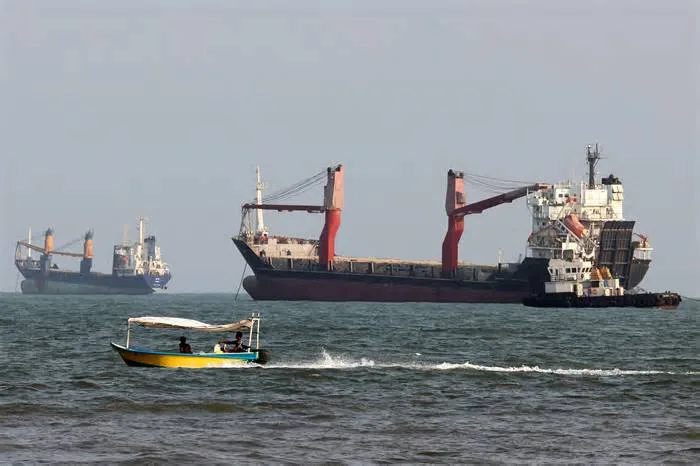
The Strait of Hormuz, one of the most important maritime gateways in the world, has recently come into the spotlight. By announcing its plans to create a maritime restriction zone in this strait, Iran has taken a significant step towards safeguarding its security and national interests. However, this action comes at a time when tensions with the United States have reached a peak, raising many questions about Iran's operational capabilities.
Challenges Ahead for Iran
Given its geographical position and dominance over the Strait of Hormuz, Iran can act as a key player in controlling the movement of ships. However, with the increasing presence of the U.S. Navy and its allies in the region, implementing this plan will face serious challenges. Many analysts believe that Iran is currently facing economic and military problems that could impact the country's operational capabilities.
On the other hand, some experts argue that Iran can defend against these restrictions by utilizing its military bases near the strait. However, international reactions to such actions could significantly affect Iran's position on the global stage.
Potential Consequences
Establishing a maritime restriction zone could have numerous consequences. On one hand, this action could allow Iran to exert greater control over ship movements, while on the other hand, it may lead to increased tensions with other countries, especially the United States. These variables could impact the global oil market and maritime security, potentially leading to a new crisis.
Therefore, the main question is whether Iran can successfully implement this plan and what implications it will have for regional security and the global community. An uncertain future filled with challenges awaits the Strait of Hormuz.