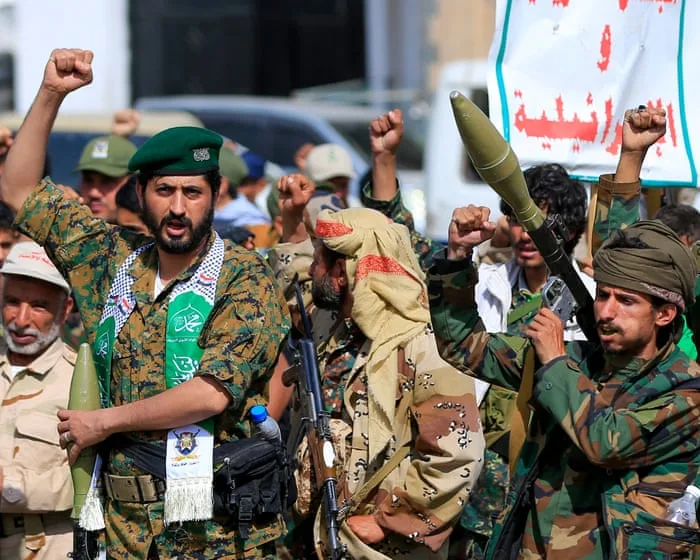
In a significant and noteworthy development, Houthi groups in Yemen have succeeded in capturing the key port of Mocha. This action is part of their broader efforts to seize the Red Sea coasts and could have serious consequences for regional stability.
Strategic Risks for Saudi Arabia and the U.S.
The Houthis' control over this port not only signifies an increase in their military and political power but could also turn into a strategic disaster for Saudi Arabia and the United States. Mocha port, as a vital point in shipping routes, plays a key role in controlling two important global chokepoints, namely Bab el-Mandeb at the southern end of the Red Sea and the Strait of Hormuz in the Persian Gulf.
Houthi groups, supported by Iran, are moving closer to a dangerous phase with this action that could lead to their complete dominance over these sensitive points. As conflicts with the Saudi government have sharply increased, reaching their highest levels in recent years, these developments indicate the expansion of Iran's influence in the region.
Domestic and International Consequences
The escalation of tensions in Yemen could lead to increased insecurity and instability in the Persian Gulf. This situation will be dangerous not only for the countries in the region but also for the global economy, which is dependent on these maritime corridors. With the capture of Mocha port, the Houthis have achieved a significant victory that could drastically alter the power equations in the Middle East.
Overall, these developments signify a new and complex war in Yemen that could ultimately lead to major changes in the balance of power in this region. Given the current circumstances, it remains to be seen how international reactions to these developments will unfold.