The visit of Iran's Foreign Minister to Beijing can be assessed within the framework of Tehran's efforts to activate the diplomacy of strategic partners and create new capacities against the pressures from Washington. While China, distanced from formal mediation, seeks to manage the risks arising from the insecurity of energy routes and prevent an unfavorable shift in the regional geopolitical balance, this trend reflects the competition of great powers over shaping security arrangements after the crisis in the Middle East.
Diplomatic Developments Between Iran and China
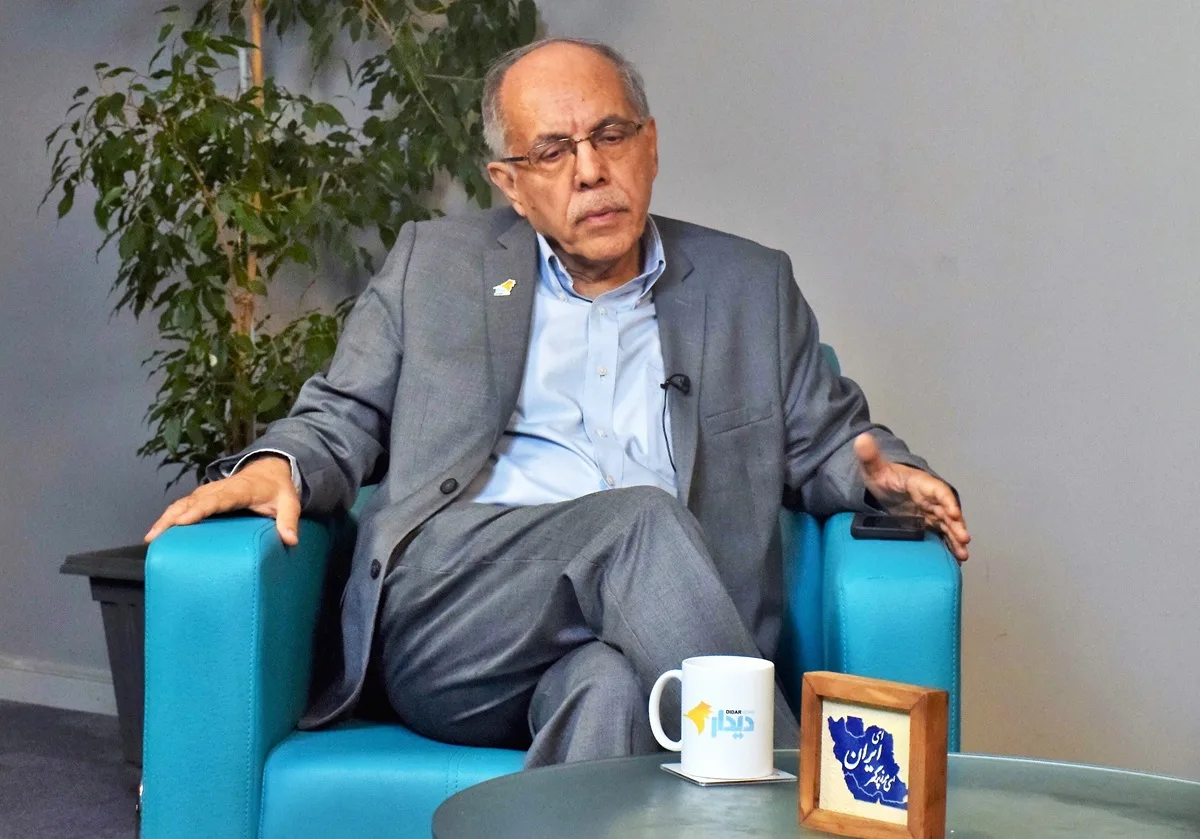
Korosh Ahmadi, a former Iranian diplomat at the United Nations and a senior international relations expert, noted in his assessment of Abbas Araghchi's recent visit to Beijing and his contacts with the Turkish Foreign Minister and a Pakistani official in the presence of Wang Yi, that the contacts between Iran and China at the senior official level have been less than expected. According to him, during this period, the contacts have mainly been limited to Mr. Araghchi's trip to Beijing in Ordibehesht and the meeting of the foreign ministers of Iran and China on the sidelines of a meeting in Bishkek in Tir.
Read more: Maritime Incident Occurs Off the Coast of Oman
Consequences of Araghchi's Visit to Beijing
Ahmadi, evaluating the results of the recent visit of our country's foreign minister, said: "The Chinese Foreign Ministry's announcement about the meeting of the two foreign ministers indicates a relative change in the tone and emphasis of Beijing. This time, China has focused on three important axes; first, readiness to play a more constructive role in helping to establish peace in the Gulf region and supporting Iran's legitimate rights and interests; second, a clearer emphasis on the rapid reopening of the Strait of Hormuz and ensuring safe and unobstructed passage through international waterways and energy supply chains; and third, a reference to the inadequacy of the Middle Eastern security structure and the necessity to reform and strengthen it."
This expert continued that China has asked both Iran and the U.S. to exercise restraint and return to the Islamabad memorandum as soon as possible. Additionally, Beijing has emphasized dialogue with Gulf countries and preventing the escalation of tensions to Yemen and the Red Sea.
The timing of Mr. Araghchi's visit to Beijing, just before the Chinese President's trip to the U.S. and the subsequent phone conversation between the Chinese Foreign Minister and the U.S. Secretary of State, is also significant. These movements indicate China's show of power and its influence over Iran.
Diplomatic and Economic Challenges
Korosh Ahmadi, in response to another question about the possibility of Washington beginning negotiations with Tehran before the U.S. midterm elections, stated that in recent days, no major change in Trump's policy has been observed. He continues to make contradictory statements, saying either we will reach a good agreement or there will be no agreement at all. These positions indicate that Trump intends to continue the policy of economic pressure and maritime blockade.
Ahmadi also referred to the economic situation of Iran and the U.S. and said that these factors will mainly affect Trump's decision-making after the elections. He emphasized that with its recent announcement, China has taken another step in expressing its readiness to help resolve issues between Iran and the U.S. However, China is still not willing to officially speak of mediation.
Read more: Rockfall Incident on the Road of Sultan Turki bin Said in Iberia · Iran's National Basketball Team Seeks Final Against South Korea