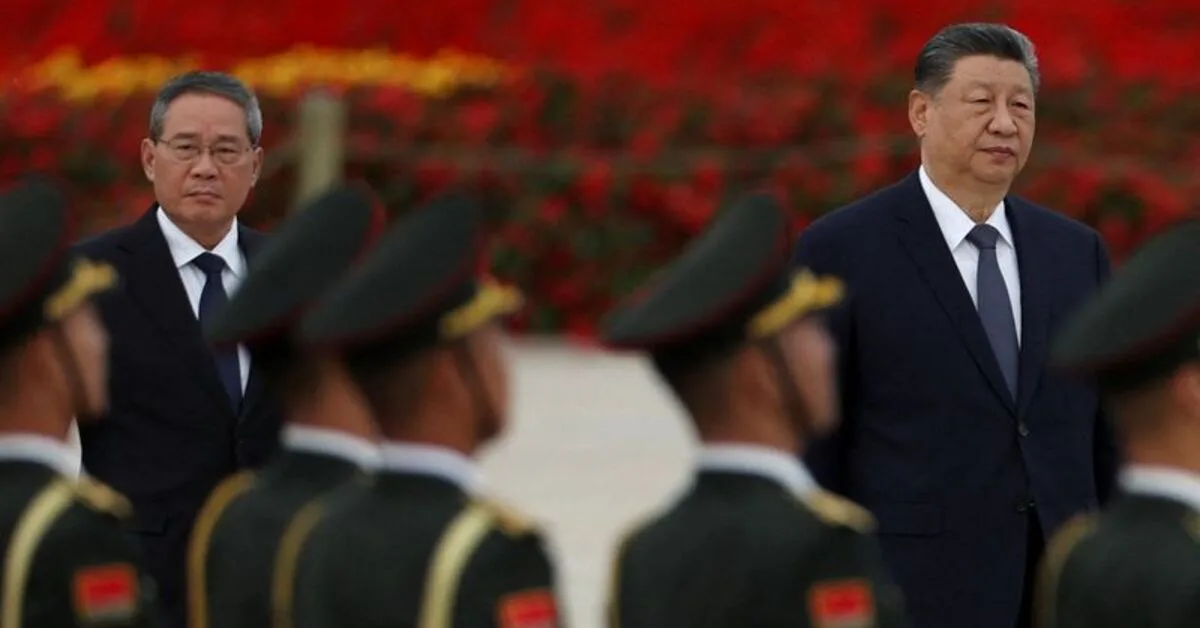
Li Keqiang, the Prime Minister of China, emphasized the need to strengthen security and intelligence cooperation between the two countries during his recent meeting with Emomali Rahmon, the President of Tajikistan. This request comes at a time when China is worried about the negative impacts of extremism and separatism in Central Asia and the potential spillover into the Xinjiang region of China, which is home to the Uyghur Muslim minority.
China's Concerns About Extremism in Central Asia
China has always been concerned that unrest in Central Asia, particularly in Tajikistan and Afghanistan, could lead to violence similar to that which occurred in the Xinjiang region in the past. During this meeting, Li Keqiang urged Tajikistan to take stronger measures to protect Chinese citizens in the country. The relationship between China and Tajikistan is particularly important in terms of investment and trade, with China recognized as one of the largest investors in Tajikistan.
Read more: The European Union Condemned Attacks by Violent Migrants in the West Bank
Existing Challenges and Bilateral Cooperation
Tajikistan, which has previously experienced a civil war following the collapse of the Soviet Union, is currently facing security challenges arising from the activities of the Taliban in Afghanistan. This country, as a secular republic with a population of about 11 million, has a tense relationship with Taliban officials and has repeatedly warned about the activities of drug traffickers and illegal miners at its borders. Li Keqiang also spoke about the necessity of strengthening information exchange and legal and security cooperation between the two countries.
As one of Tajikistan's neighboring countries, with a mountainous border of 477 kilometers, China can collaborate with Tajikistan in various fields, including investment in infrastructure and economic projects. This comes at a time when last year, five Chinese citizens were killed in Tajikistan in attacks that the country's officials attributed to the border with Afghanistan. This situation has heightened concerns about the safety of Chinese citizens in the country.
Meanwhile, Li Keqiang is not the only high-ranking foreign official to visit Central Asia this week. Marco Rubio, the U.S. Secretary of State, has also traveled to Uzbekistan, reflecting the geopolitical rivalries in the region. These developments clearly indicate the strategic importance of Central Asia for major global powers, and China is striving to achieve greater stability and security by strengthening its relations with the countries in this region.
Read more: Israel and Qatar: Cooperation in Providing Humanitarian Aid to Gaza · Colombia Transferred Its Embassy in Israel to Jerusalem