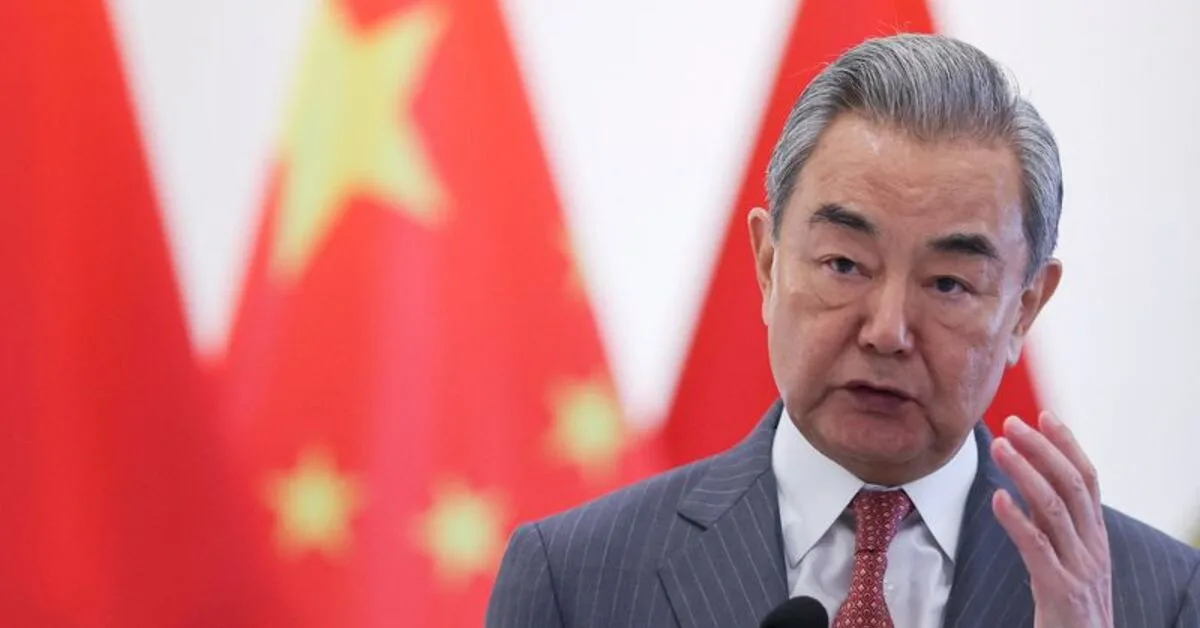
China's Foreign Minister, Wang Yi, during a meeting with his Iranian counterpart, Abbas Araghchi, in Beijing, called on Iran and the United States to return to negotiations and show restraint. He stressed the need to return to the Islamabad memorandum, referring to past agreements, and urged both parties to engage in meaningful consultations.
The Necessity of Reopening the Strait of Hormuz
Wang Yi stated: "We urge all parties to take effective measures to reopen the Strait of Hormuz as soon as possible." He also highlighted the importance of this strait for ensuring stability in energy transportation and global supply chains, adding: "China does not want to see an escalation of tensions in the region and its impact on Yemen and the Red Sea."
Read more: Military meeting of senior officials from the U.S., Israel, and seven Arab countries in Germany
Emphasis on Negotiation Mechanism
The Chinese Foreign Minister reminded both sides that they need to rebuild the negotiation mechanism based on previous agreements. This comes as a week remains until the anticipated meeting between Chinese President Xi Jinping and U.S. President Joe Biden in Washington.
In this context, U.S. Treasury Secretary Scott Basset announced that Biden and Xi will continue discussions on Iran and China's financial ties with Tehran. The United States is working to exclude Iran from Western financial systems.
China, as the main buyer of Iranian oil, has repeatedly emphasized the importance of maintaining normal and safe navigation through the Strait of Hormuz but has refrained from directly challenging Tehran's threats to navigation.
Wang Yi further stated regarding the current situation: "The current situation once again shows that the existing security structure in the Middle East is inadequate and needs reform and strengthening." He emphasized that China is ready to promote peace, fairness, and justice in the region, and its policy towards Iran has always been consistent and stable.
Read more: Vali Nasr: Gulf countries can no longer rely on U.S. protection · U.S. finalizes $2.8 billion arms sale to Israel