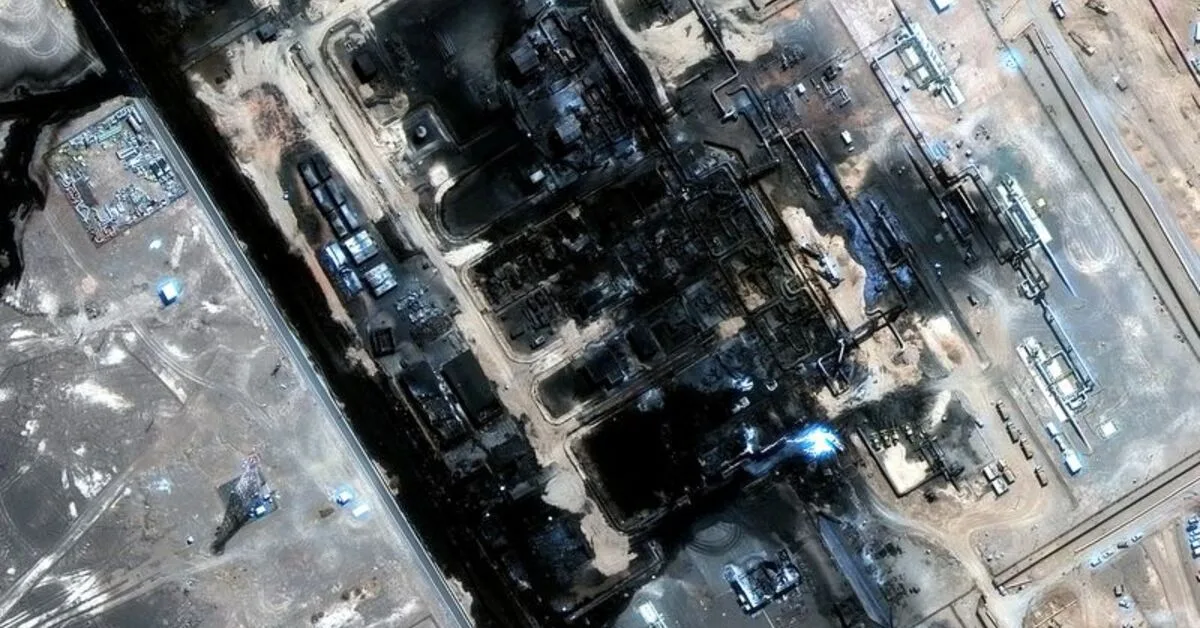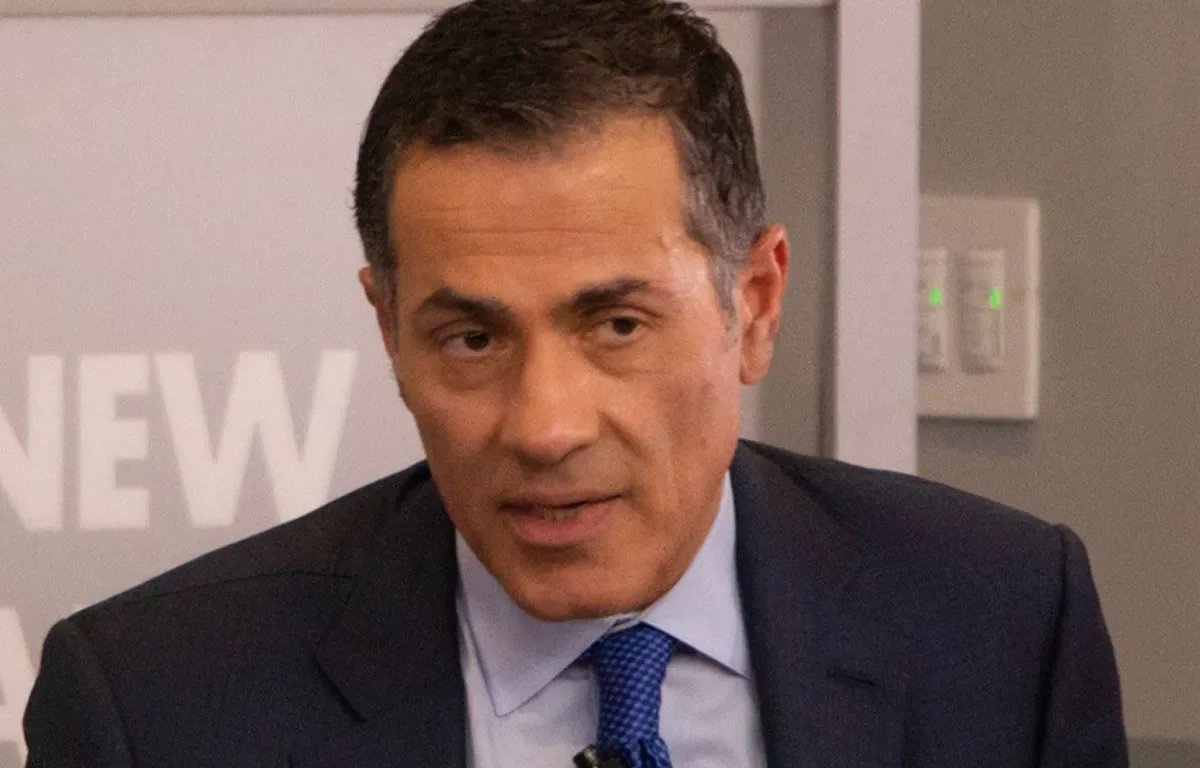
Vali Nasr, a political analyst and advisor to the Obama administration on the JCPOA, emphasized in his remarks that the United States' ability to protect the Gulf has been severely questioned. This analyst noted that Washington has been unable to defend its bases in the region, leading to deep concerns among Gulf countries.
Security Impacts on Gulf Countries
Nasr pointed out the anger and disappointment of Gulf countries over the damages incurred, stating that it can no longer be said with certainty that the U.S. is capable of ensuring the security of these countries. He added that decades of reliance on the U.S. for the protection of the Gulf are now collapsing, fundamentally changing the security equations of the region.
Read more: Salalah Summit; Regional Diplomacy of Oman and Iran in the Strait of Hormuz
Changing Balance of Power in the Gulf
This analyst also noted that Iran has gained more freedom of action, and its claim regarding control over the Strait of Hormuz indicates a shift in the balance of power in the Gulf. According to Nasr, these changes could have serious consequences for the stability and security of the region, and Gulf countries must pay close attention to these developments.
Nasr emphasized that this situation requires reconsideration, stating that Gulf countries should seek ways to strengthen their security without relying on the United States. He noted that this change in approach could lead to enhanced regional cooperation and the formation of new alliances.
Overall, Nasr believes that the future security of the Gulf is changing, and countries must be prepared to face new challenges. These developments could lead to the establishment of a new security order in the region that requires diplomacy and multilateral cooperation.
Read more: Postponement of the Iran and Gulf Countries Meeting in Salalah, Oman · Joint Meeting of Iran and Southern Neighbors in Muscat with the Presence of Seyed Abbas Araghchi