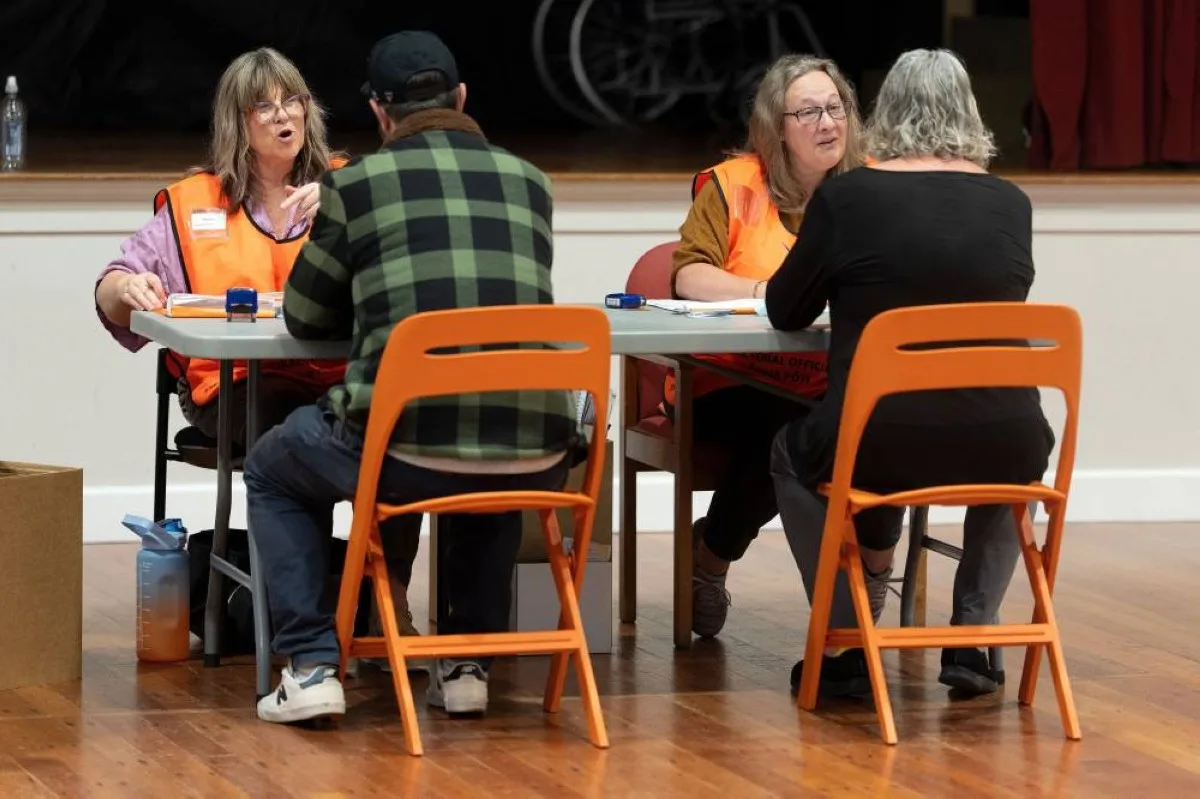
New Zealand began counting votes on Saturday in one of the closest elections in its history. None of the parties expect to gain a majority, as the election campaign has been influenced by concerns about the economy and rising living costs.
Economic Challenges and Daily Life
New Zealanders are struggling to meet their basic needs. The prices of essential goods remain high, and the unemployment rate has reached its highest level in over a decade. The war in the Middle East and the global fuel shock are widely recognized as detrimental factors to the country's trade-dependent economy.
Read more: China and the Electoral Consequences in America: Opportunities and Challenges
Party Election Plans
Current Prime Minister Christopher Luxon hopes that his right-wing coalition can stay in power with a promise not to raise taxes. He has faced challenges over the past three years, with two attempts to remove him from the leadership of the National Party. Luxon has presented himself as a "super seller" for the country and has promised to sign more free trade agreements if re-elected.
On the other hand, the Labour Party, led by former Prime Minister Chris Hipkins, has promised to help with living costs. This promise includes free doctor visits and prescriptions, as well as capping public transport fares. Hipkins expressed confidence on Friday that his party will "exceed expectations".
However, none of the parties expect to gain enough seats to govern alone, drawing attention to smaller parties, particularly the Opportunist Party. This party is led by Kiola Wang, a former KPMG consultant, and has promised more moderate policies, stating that it can work with any of the major parties.
David Kapi, a professor at Victoria University in Wellington, said that voter fatigue with the two main parties is contributing to the rising popularity of the Opportunist Party. Ultimately, election polls show that the Labour Party currently holds 30 percent of the votes, slightly ahead of the National Party. However, Luxon has urged voters to stick with "the plan that is working" and avoid the risk of a Labour government.
Read more: Rebecca Grinspun's Outstanding Leadership in the UN Secretary-General Poll · The Failure of the Shas Party in the Israeli Elections and Its Declining Political Power