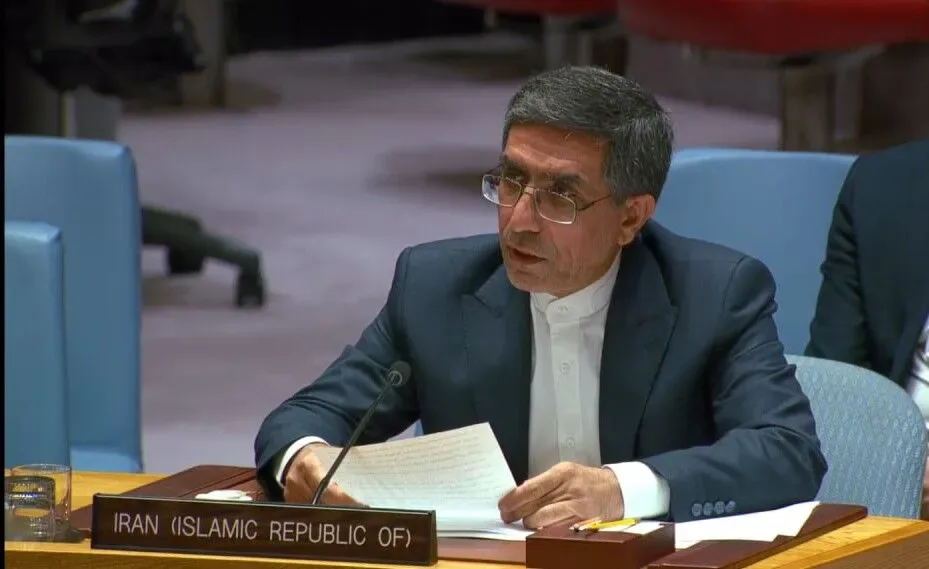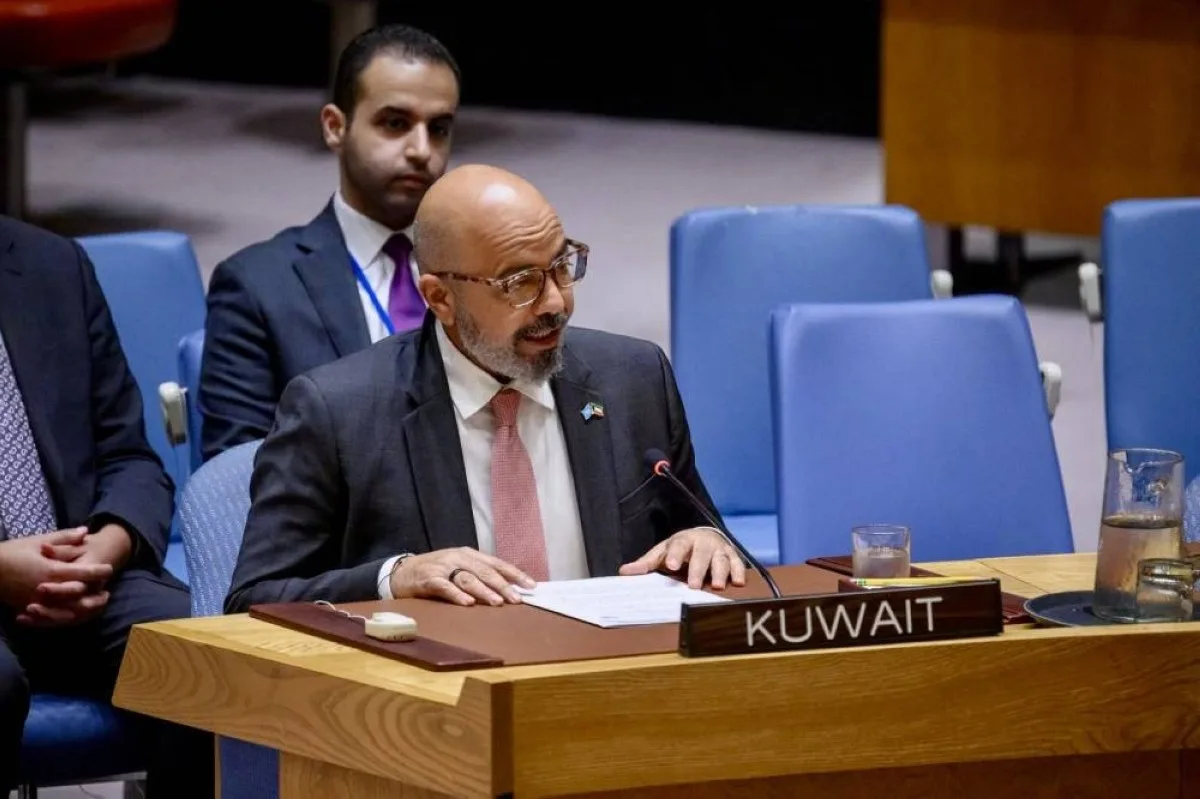
Kuwait, at a public meeting of the UN Security Council, called for the full implementation of Resolution 2817 (2026) of the council, which condemns Iran's attacks on the Gulf Cooperation Council countries and Jordan. The country also emphasized the need to end all attacks and threats that hinder lawful passage and freedom of navigation in the Strait of Hormuz and threaten maritime security in Bab el-Mandeb.
Emphasis on Collective Responsibility in Protecting Maritime Routes
Kuwait's Permanent Representative to the UN, Tareq Al-Banai, emphasized the collective responsibility of countries in protecting maritime routes and stated: "This responsibility leaves no room for selectivity or double standards." He also highlighted the importance of respecting international law and ensuring freedom of navigation in strategic waterways.
Read more: Italy and Kuwait Cooperation in the Framework of the 2027-2030 Action Plan
Recent Developments and New Threats in the Region
Al-Banai stated that the Gulf region has witnessed Iranian attacks on the territories and vital installations of the Gulf Cooperation Council countries and Jordan this year. These attacks also include assaults on tankers and ships, including Kuwaiti vessels, threatening navigation in strategic maritime routes.
He added: "The use of modern technologies, especially drones and advanced missiles, has turned maritime threats into a direct danger to the security of countries and the stability of the global economy." The impacts of attacks on commercial vessels and disruptions in shipping routes on global supply chains, energy and food prices, and economic stability, especially in developing countries reliant on maritime trade, are significant.
Al-Banai also referred to new threats that, instead of being limited to piracy and direct attacks on ships, include drones, autonomous systems, and cyberattacks on vessels, ports, and navigation and communication networks.
He highlighted the necessity of establishing clear international frameworks and responsible laws to prevent the misuse of new technologies and emphasized the need for international cooperation and information exchange. Supporting the role of the International Maritime Organization (IMO) and enhancing capacity building in developing countries were also among the points he raised.
Al-Banai concluded by saying: "Technological advancements should be a means to enhance security and stability, not a tool for escalating conflicts or threatening international trade."
Read more: Kuwait and Bahrain Expand Cooperation in Transport and Communications · Greek Prime Minister Calls for Global Maritime Ceasefire After Attack on Greek Ship