Gulf states fear that a potential new attack by the U.S. and Israel on Iran, which is now in a heightened state of readiness, could lead to a more destructive war in the region. Anwar Gargash, diplomatic advisor to the President of the United Arab Emirates, mentioned this at the "Manama Dialogue" and stated: "We find ourselves caught in a crisis that we have worked hard diplomatically to prevent. We are clearly seeking a political exit strategy."
Concerns About the Start of a New Round of War
Concerns about the possibility of a new round of war have intensified following the U.S. elections. Donald Trump, the President of the United States, has repeatedly stated that the U.S. and Israel will "finish the job in Iran." Although Trump has dismissed the possibility of new attacks before the midterm elections on Tuesday, he has not ruled out the resumption of attacks given the deadlock in peace negotiations.
Read more: Kuwait's Ministry of Interior Warns: No Hiring of Violating Guards in Construction
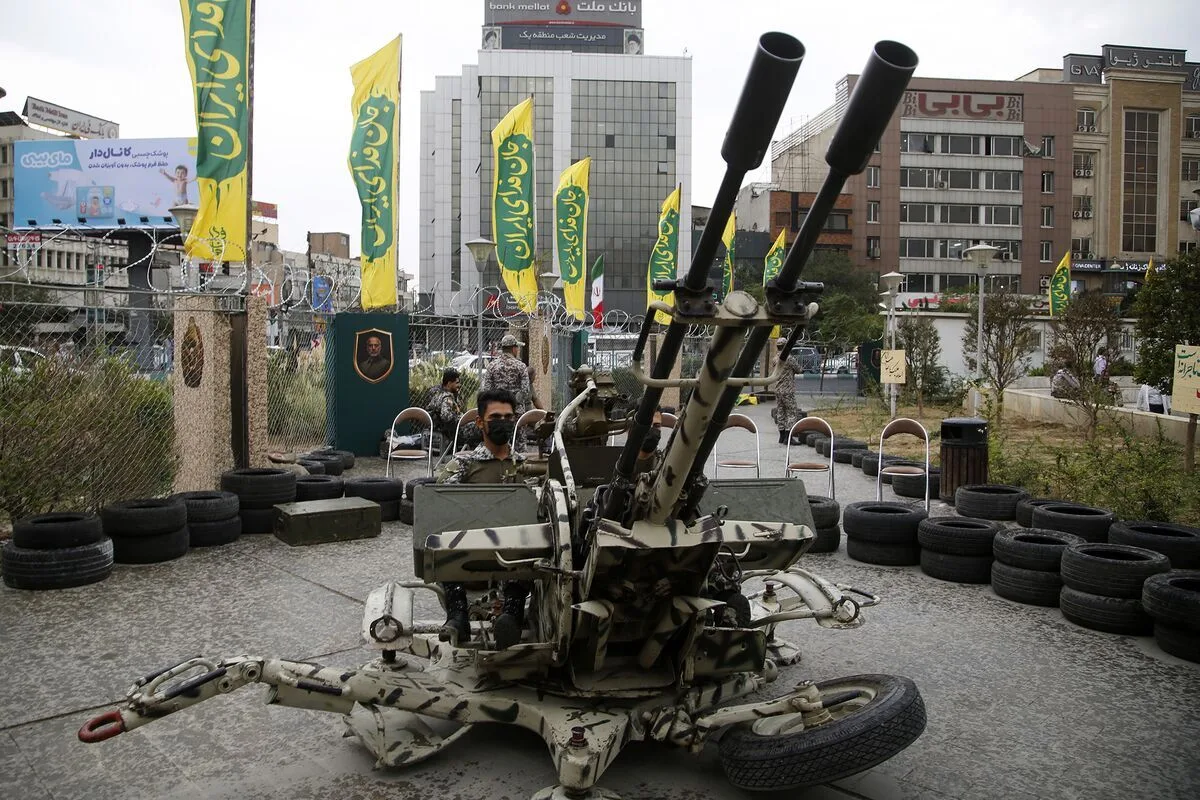
New conflicts could inflict further damage on a region that has already suffered extensive harm from months of war. Iran has launched thousands of missiles and drones toward Gulf states, targeting facilities including oil installations and airports. These attacks have resulted in dozens of civilian casualties and have destabilized the economies of the regional countries.
Warnings About the Devastating Consequences of War
Badr Abdelatty, Egypt's Foreign Minister, warned about the possibility of renewed hostilities and emphasized: "The second round will be more dangerous and devastating and will lead nowhere. We must learn from the past." Additionally, Ayatollah Mojtaba Khamenei, the leader of the Islamic Republic of Iran, has ordered military commanders to prepare for immediate retaliatory responses and to expand the list of potential targets in the U.S. and Israel.
Western officials recently stated that Iran still retains sufficient capacity to rebuild its arsenal. Reports also indicate that Iran possesses significant stockpiles of ballistic missiles and some anti-ship weapons.
Gulf states are working to rebuild their air defense reserves at a time when the world is facing a shortage of this technology. There is growing discontent in these countries over bearing the costs of a war they did not initiate, and regional officials have expressed dissatisfaction with the U.S. military and diplomatic approach.
Read more: Qatar and Neighboring Countries React to the Targeting of a Gas Carrier · Iran Left Doha Talks and Presented a New Proposal for an Agreement with the U.S.