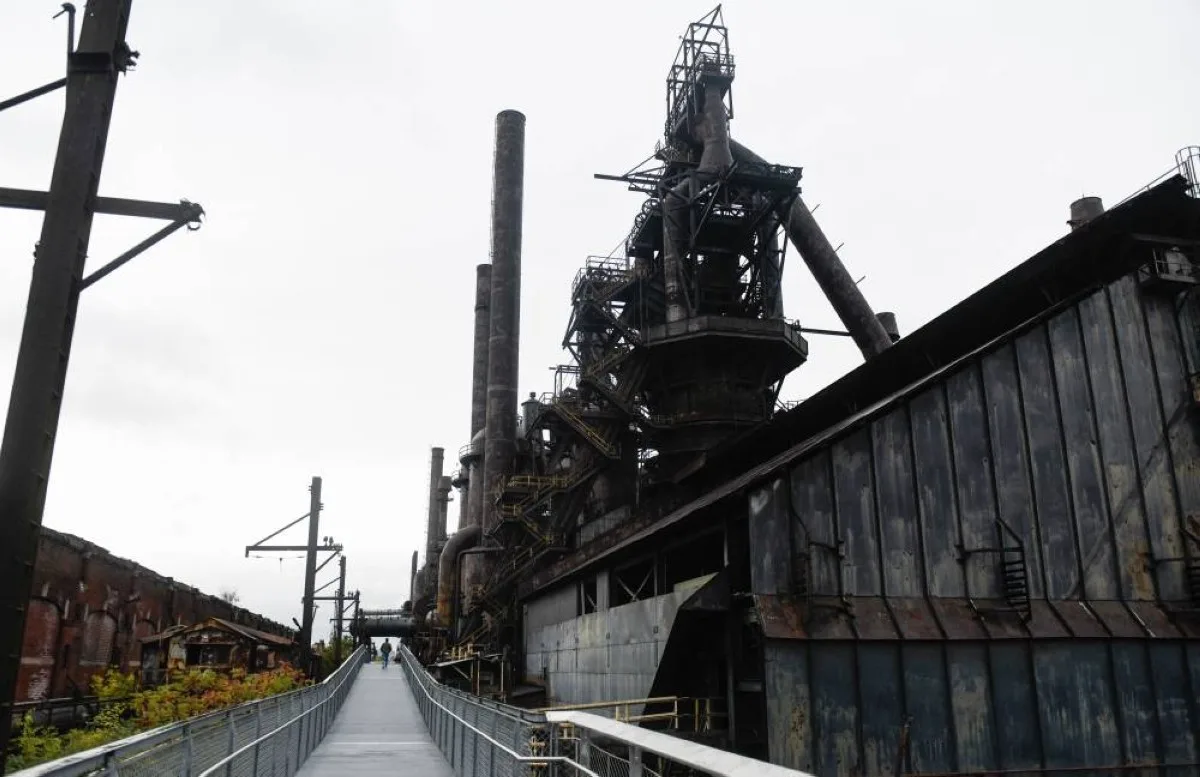
Bethlehem, United States: The city of Bethlehem, once known as a steel industry hub, is now grappling with economic and social challenges stemming from industrial changes. This city, which faced the shutdown of its large steel plant in the 1990s, is now seeking economic and social revival.
Residents' Experiences and Hopes for the Future
At a recent Oktoberfest event, residents of Bethlehem gathered around the old and dilapidated steel mills. At this event, people dressed in Bavarian attire watched American football while enjoying large plates of beer. Among them, supporters of Donald Trump, the former President of the United States, have remained loyal to the Republican Party despite their disappointments. Noah, a 62-year-old roofer, recalls living right next to this factory in the 1980s and remembers that times were better then.
Read more: Oman’s participation in the International Monetary Fund and World Bank meetings has ended
Noah believes that the industry is returning thanks to Trump’s protectionist policies and hopes for a better future for the region. He also mentioned the ongoing wars, stating, "The situation will improve as soon as the war with Iran ends."
Changes in the Labor Market and Livelihood Challenges
Bethlehem is located in the heart of the Lehigh Valley in Pennsylvania, which was once the center of heavy industry in the United States. Now, workers are employed in logistics, food production, and pharmaceuticals. Specifically, a weight-loss drug manufacturing plant will soon be established. Beth Pinella, 40, who works in a warehouse, hopes her family is doing well. She said, "I have a good income." However, her husband, Brian, is disheartened by the economic situation, stating, "I thought prices would go down."
This region, which could hand control of the U.S. House of Representatives to the Democrats in the November 3 midterm elections, currently has Republican representative Ryan McKenzie winning narrowly in 2024. His Democratic opponent, Bob Brooks, a former firefighter and a newcomer in politics, has positioned himself as the voice of the working class.
Some voters, like Henry Martin, have decided to abstain from voting, feeling disillusioned with both major parties. He, a warehouse manager, says, "They live in luxury," adding that "someone like me is not doing well." He feels trapped between "terrible" rents and housing prices that are "incredibly out of reach."
In the neighboring city of Allentown, advertisements encourage drivers to vote for Brooks. Ramona Cherry, who works at a tire shop, states that the large Latin community in the city has been affected by Trump’s strict immigration policies and inflation. She says, "Incomes are lower than before."
Mike Schapp, president of the local auto workers' union, expresses concern that production in America may continue to decline and jobs may be moved to Mexico. The Max factory, located just 20 minutes from Bethlehem, employs about 2,800 people and announced in April 2025 that it plans to cut 350 jobs. These actions are heavily influenced by Trump’s tariffs.
Shawn Smith, 52, who works at the factory, says, "We don’t talk about politics at the factory because it just leads to arguments." He points to support for Brooks, feeling that "it’s enough to bring about changes."
Read more: The consequences of the Iran-U.S. war on the global economy · The withdrawal of UN peacekeepers from Lebanon and local concerns